
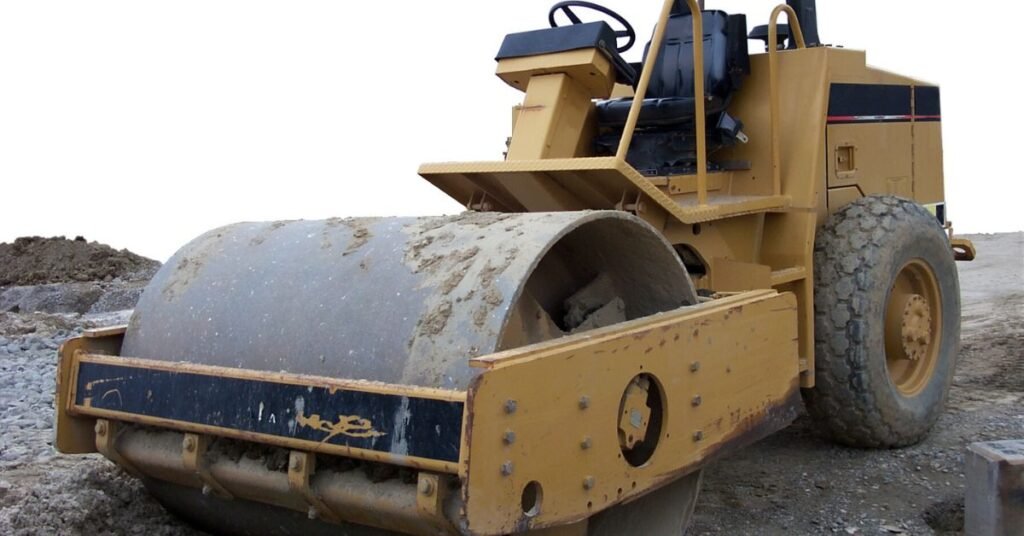
Roller compactors play an important role in large-scale site preparation. Their design focuses on enhancing soil compaction, which is necessary for stable foundations. Various types, including static, vibratory, and pneumatic rollers, cater to different materials and conditions. Understanding how these machines operate and their applications can greatly impact project efficiency. However, selecting the appropriate type and ensuring proper operation are essential for maximizing their benefits. What factors should one consider when choosing a roller compactor?
Although roller compactors are commonly employed in construction and civil engineering, their functionality extends beyond mere surface leveling. These machines play a essential role in achieving ideal soil compaction, which is critical for the stability and durability of any construction project.
Among the roller compactor advantages are their ability to enhance load-bearing capacity and reduce settlement, which greatly minimizes the risk of structural failure.
Key roller compactor features include adjustable weights and drum configurations, allowing operators to tailor the compaction process to specific soil types and project requirements. Additionally, many models incorporate advanced vibration technology, which further improves compaction efficiency by effectively displacing air pockets within the soil.
The versatility of roller compactors, combined with their robust construction, guarantees they are indispensable tools for large-scale site preparation, ultimately leading to safer and more reliable infrastructure development.
Roller compactors can be categorized based on their operational mechanisms and drum configurations.
Static and vibratory rollers are distinguished by their compaction methods, with vibratory rollers utilizing oscillation to enhance soil density.
Additionally, pneumatic and steel drum rollers differ in their drum types, affecting the compaction efficiency and suitability for various materials.
Compaction equipment is essential in construction and civil engineering, with static and vibratory rollers representing two primary types of roller compactors.
Static rollers rely on weight to achieve compaction, offering static advantages such as effectiveness on granular soils and ease of operation in confined spaces. These rollers are ideal for compacting asphalt layers and achieving a smooth surface finish.
In contrast, vibratory rollers utilize oscillating forces to enhance compaction efficiency, allowing for deeper penetration into soil layers. This vibratory efficiency is particularly beneficial for cohesive soils, where traditional static methods may fall short.
Each type serves specific applications, making the choice between static and vibratory rollers significant for best project outcomes in site preparation.
Pneumatic and steel drum rollers represent two distinct categories of roller compactors, each designed for specific compaction tasks and surface finishes.
Pneumatic rollers utilize a series of rubber tires, which provide several pneumatic advantages, such as better traction and the ability to conform to uneven surfaces. In contrast, steel drum rollers are characterized by their steel durability, offering exceptional weight and stability for deep compaction.
Choosing between these options depends on project requirements and desired outcomes.
Operating through a combination of weight and vibration, roller compactors effectively densify various materials, including soil, asphalt, and gravel. The mechanics of roller compactors involve heavy cylindrical drums that exert substantial force on the surface beneath. This weight initiates the primary phase of compaction, where particles are rearranged to reduce air voids.
Moreover, the vibration mechanism enhances the effectiveness of this process. By oscillating the drums, roller compactors induce dynamic forces that further displace particles, promoting greater interlocking and cohesion among them.
Understanding the underlying compaction principles is essential; adequate moisture content and proper layering influence overall effectiveness. The interplay of static weight and vibratory action guarantees uniform compaction, leading to stable and durable surfaces.
Therefore, roller compactors represent a pivotal technology in large-scale site preparation, optimizing material density and structural integrity through their advanced mechanics.
In site preparation, roller compactors play a critical role in enhancing soil stability through effective compaction techniques.
By applying controlled pressure, these machines improve material density, which is essential for creating a solid foundation for construction projects.
The resulting compaction minimizes settlement and increases load-bearing capacity, ensuring the longevity and integrity of the built environment.
Soil compaction techniques play a critical role in site preparation, guaranteeing that the ground possesses the necessary stability and load-bearing capacity for subsequent construction activities.
Effective compaction methods are influenced by factors such as soil moisture content, which greatly affects the soil’s behavior during the compaction process.
Various techniques are employed to achieve ideal density, including:
These methods guarantee a solid foundation, critical for the longevity and safety of structures.
Effective soil compaction techniques lay the groundwork for enhancing material density, which is essential in site preparation.
Roller compactors play a pivotal role in achieving ideal material density by applying precise pressure to soil layers, thereby increasing material strength. The compaction efficiency of these machines allows for uniform distribution of force, resulting in minimal air voids and improved load-bearing capacity.
By utilizing various compaction patterns and adjusting roller speeds, operators can tailor the compaction process to specific material types and site conditions. Enhanced material density not only contributes to the stability of structures but also minimizes settlement and deformation over time.
Consequently, the strategic use of roller compactors greatly elevates the overall quality of construction projects.
Although various compaction methods exist, roller compactors stand out due to their ability to efficiently consolidate materials, leading to enhanced stability and durability of surfaces.
Their design and operational capabilities contribute greatly to cost efficiency and increased productivity in large-scale site preparation.
Uniform Compaction: Roller compactors guarantee a consistent level of compaction across the surface, reducing weak spots.
Versatility: Suitable for various materials, including soil, asphalt, and gravel, enhancing their application range.
Reduced Labor Costs: With their efficiency, fewer operators are required, lowering overall labor expenses.
Time Savings: Roller compactors can cover large areas in a shorter time, facilitating quicker project completion.
When selecting the appropriate roller compactor for a specific project, one must consider various factors that influence performance and efficiency. Key performance metrics include the compactor’s weight, drum width, and frequency of vibration. Heavier models deliver increased compaction force, while wider drums cover more area, enhancing productivity.
In addition, vibration frequency can affect soil types, necessitating careful analysis based on material characteristics. Cost considerations also play an important role in this decision-making process. Evaluating the initial purchase price against operational costs, such as fuel consumption and maintenance, is essential for budget adherence.
Moreover, rental options may be viable for short-term projects, providing flexibility without capital expenditure. Ultimately, selecting the right roller compactor requires a balanced assessment of both performance metrics and cost considerations, ensuring the best results in large-scale site preparation tasks.
Operating roller compactors effectively demands adherence to best practices that enhance both safety and compaction efficiency.
Proper operator training is essential, making certain personnel are familiar with the equipment’s functions and safety precautions. This training should cover the following best practices:
Pre-operation inspections: Conduct thorough checks to identify any mechanical issues or hazards.
Use proper signaling: Implement clear communication methods among team members to prevent accidents during operation.
Monitor ground conditions: Assess soil moisture and composition, as these factors greatly affect compaction outcomes.
Maintain a safe distance: Make certain that bystanders are kept at a safe distance from the work area to minimize risks.
Regular maintenance of roller compactors is essential for ensuring maximum performance and longevity of the equipment. Implementing a structured preventive maintenance program can considerably reduce downtime and repair costs. Routine inspections should focus on critical components such as hydraulic systems, rollers, and electrical systems.
| Maintenance Task | Frequency |
|---|---|
| Check fluid levels | Daily |
| Inspect tires/rollers | Weekly |
| Clean filters | Monthly |
| Perform complete service | Annually |
Additionally, operators should monitor tire pressure and inspect for any signs of wear or damage. Keeping the machine clean, particularly the rollers and hydraulic components, prevents material buildup that can affect performance. By adhering to these maintenance tips, operators can enhance the reliability and efficiency of roller compactors, ensuring they remain effective on large-scale construction sites.
Advancements in technology and evolving industry demands are shaping the future of roller compactors in construction. As the sector embraces future innovations, roller compactors are expected to integrate increasingly sophisticated features that enhance efficiency and safety.
The rise of automation trends is particularly influential, leading to significant transformations in operational practices.
These advancements not only promise improved compaction quality but also streamline processes, potentially reducing project timelines.
Consequently, the future landscape of roller compactors will likely reflect a blend of cutting-edge technology and sustainable practices, ensuring adaptability in an ever-evolving construction environment.
The question of how much roller compactors typically cost looms large in the construction industry. Several cost factors come into play, including machine size, brand reputation, and technology features.
Generally, roller compactor prices can range from $20,000 to over $200,000, depending on these variables. Additionally, maintenance, fuel efficiency, and warranty options further influence the overall investment.
Understanding these elements is vital for making informed purchasing decisions in large-scale site preparation projects.
When seeking to rent a roller compactor, individuals should explore various rental companies specializing in construction equipment.
These companies typically offer a range of roller compactor types, including static, vibratory, and pneumatic models, accommodating diverse project needs.
It is advisable to compare rental rates, availability, and customer service to guarantee a suitable choice.
Additionally, local equipment rental chains and online platforms can provide options for short-term or long-term rentals based on specific requirements.
Operating a roller compactor requires safety gear akin to a knight donning armor before battle.
Essential safety protocols include wearing a hard hat, high-visibility vest, and steel-toed boots to protect against potential hazards.
Ear protection is vital due to loud noise levels, while gloves can enhance grip and safeguard against cuts.
Proper operator training is necessary to guarantee the individual understands equipment operation and adheres to all safety measures, minimizing risks on-site.
To transport a heavy machine to a job site, one must consider suitable transport methods and effective loading techniques.
Utilizing a flatbed truck or lowboy trailer is ideal for stability and weight distribution. Proper loading techniques involve securing the machine with heavy-duty straps and ensuring it is centered to prevent shifting during transit.
Additionally, ramps or cranes may be required for safe loading and unloading, ensuring compliance with safety regulations throughout the process.
The average lifespan of a roller compactor can seem almost mythical, with some machines enduring up to 20 years under ideal conditions.
However, this longevity hinges on various roller compactor maintenance practices, such as regular inspections, timely repairs, and proper use.
Factors like operating environment, frequency of use, and quality of initial construction also greatly influence the lifespan.
Ultimately, diligent care can transform a roller compactor from a mere machine into a reliable workhorse for years.