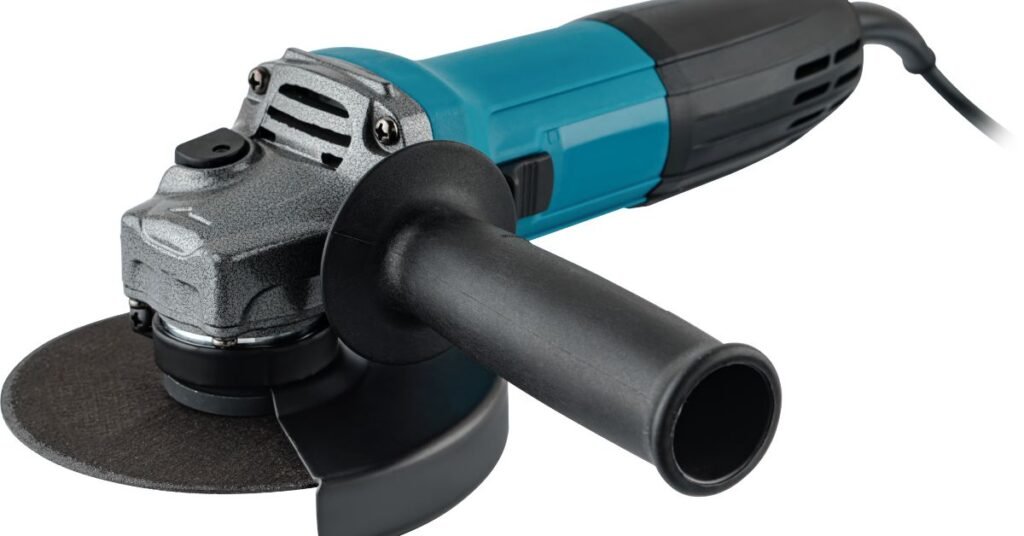
Angle grinders are vital in the demolition industry, effectively handling both cutting and finishing tasks. Their design allows for efficient operation on various materials, including concrete and metal. The choice of blade notably impacts performance and outcome. Understanding these tools’ capabilities and applications is essential for achieving ideal results. As the conversation progresses, techniques and safety considerations will further clarify their role in successful demolition projects.
Although angle grinders are often associated with cutting and grinding tasks, their versatility makes them indispensable tools in demolition projects. These power tools come in various types, including corded and cordless models, each designed to cater to different applications. The primary features to evaluate include motor power, disc size, and ergonomic design, which influence efficiency and ease of use during demolition.
Proper angle grinder maintenance is essential for ensuring peak performance and longevity. Regularly checking and replacing worn-out discs, cleaning air vents, and inspecting electrical connections can prevent malfunctions.
Additionally, adhering to power tool safety protocols is crucial, as angle grinders can be hazardous if misused. Operators should wear appropriate personal protective equipment (PPE) and follow manufacturer guidelines to minimize risks associated with sparks, debris, and noise.
Understanding the types and features of angle grinders enables users to select the right tool for effective demolition work.
Selecting the appropriate blade for demolition tasks is essential for maximizing efficiency and safety.
This process involves understanding various blade types, their compatibility with different materials, and the importance of size considerations.
Each factor plays a significant role in ensuring ideal performance during demolition operations.
Choosing the appropriate blade for an angle grinder is essential for achieving ideal results in demolition tasks. Various blade types are designed specifically to meet different requirements, influenced by blade materials and blade shapes.
Diamond Blades: Ideal for cutting hard materials like concrete and masonry.
Metal Cutting Blades: Designed for cutting through metals, these blades are typically made from high-speed steel or carbide.
Grinding Wheels: Suitable for finishing tasks, these wheels can smooth surfaces and remove excess material.
Selecting the right combination of blade material and shape greatly impacts performance. Understanding the specific application can help users optimize their demolition efforts, ensuring efficiency and safety throughout the process.
Understanding blade types is a foundation for selecting the appropriate blade material for specific demolition tasks.
Steel compatibility is essential when cutting through metal structures, requiring blades that can withstand high temperatures and resist wear. Diamond blades, for instance, excel in this domain due to their hardness and durability.
Conversely, wood compatibility necessitates different blade materials that prioritize smooth cutting without splintering. Carbide-tipped blades are ideal for this application, providing efficient and clean cuts in wooden beams and panels.
Users must consider the material being worked on to guarantee peak performance and safety. By matching the blade type to the specific material, operators can enhance efficiency, reduce wear on tools, and achieve superior results in their demolition projects.
When undertaking demolition projects, the size of the blade plays an essential role in determining the effectiveness and efficiency of the task. Selecting the appropriate blade size guarantees peak performance, especially when considering the specific needs of the job.
Larger blades may offer faster cutting but can be cumbersome, while compact models enhance maneuverability and control, particularly in tight spaces.
Weight Distribution: Proper blade size impacts weight distribution, reducing fatigue during prolonged use.
Application Specificity: Different tasks may require varied blade sizes for ideal cutting depth and speed.
Material Compatibility: The chosen blade size should align with the materials being demolished to guarantee precision and safety.
Ultimately, careful consideration of blade size can greatly influence demolition success.
Efficient cutting with angle grinders requires proper grip techniques and the selection of the appropriate disc for the material at hand.
A secure grip guarantees stability and control, reducing the risk of accidents and enhancing cutting precision.
Additionally, using the right disc type maximizes performance and extends the tool’s lifespan during demolition tasks.
Achieving ideal control over an angle grinder requires mastery of proper grip techniques. Effective hand positioning and grip adjustments are essential for ensuring both safety and efficiency during operation.
Proper grip techniques can enhance the operator’s control, leading to more accurate and precise cuts.
Two-Handed Grip: Using both hands allows for better stability and control, especially during demanding tasks.
Body Positioning: Aligning the body with the cutting line minimizes fatigue and maximizes leverage.
Weight Distribution: Maintaining a balanced grip helps in managing the tool’s weight, reducing the risk of slips.
Selecting the appropriate disc for an angle grinder is essential for optimizing cutting performance and ensuring safety during demolition tasks. Disc types vary considerably, with options including diamond blades for masonry, abrasive discs for metal, and grinding wheels for finishing touches. Each type is designed for specific applications, thereby affecting efficiency and outcome.
The choice of disc materials also plays a critical role; for instance, diamond discs provide superior durability for tough materials, while aluminum oxide discs are ideal for metal work.
Understanding these distinctions allows users to select the right combination of disc type and material, enhancing productivity and minimizing risks during operation. Ultimately, selecting the correct disc is key to effective and safe demolition work.
Polishing and smoothing surfaces after demolition is essential for achieving a professional finish that meets industry standards. Employing effective polishing techniques can greatly enhance the final appearance of surfaces, guaranteeing they are free from imperfections and ready for subsequent treatments.
Various smoothing materials play a critical role in this process, providing the necessary abrasiveness to refine surfaces effectively.
When using angle grinders, adhering to essential safety tips is essential to prevent accidents and guarantee effective operation. Operators must wear appropriate protective gear, including safety goggles, gloves, and hearing protection, to shield against flying debris and excessive noise.
Additionally, it is imperative to inspect the grinder before use, ensuring that the guard is in place and the disc is free from damage.
Following established safety protocols is equally important. Users should maintain a firm grip on the tool and keep both hands on the handle while operating.
It is advisable to work in a well-ventilated area to minimize the inhalation of harmful dust and fumes. Moreover, users should avoid wearing loose clothing or dangling jewelry that may catch in the grinder.
Angle grinders serve a multitude of functions in demolition projects, proving to be invaluable tools for professionals and DIY enthusiasts alike.
Their versatility allows for various angle grinder applications that enhance demolition techniques, making tasks more efficient and effective.
Common applications include:
Cutting Materials: Angle grinders excel at slicing through concrete, metal, and masonry, facilitating the removal of structural elements.
Grinding Surfaces: They are utilized for smoothing rough edges and surfaces post-demolition, ensuring a safer and cleaner work environment.
Polishing and Finishing: Angle grinders can also be fitted with polishing pads, allowing for the refinement of surfaces, which is essential in renovation projects following demolition.
These applications highlight the importance of angle grinders in achieving precision and speed during demolition tasks, ultimately contributing to the overall success of the project.
The question of whether angle grinders can effectively cut through reinforced concrete requires careful consideration of the tool’s capabilities.
While angle grinders are versatile and suitable for various cutting techniques, their effectiveness on reinforced concrete is limited. They can manage smaller jobs with appropriate diamond blades, but larger projects typically require more powerful equipment.
Consequently, for substantial reinforced concrete cutting, specialized saws are generally recommended to achieve desired results efficiently and safely.
The lifespan of an angle grinder blade is influenced by various factors, including material type, usage frequency, and cutting conditions.
Typically, high-quality blades demonstrate greater blade durability, allowing for extended use while maintaining cutting efficiency. Under ideal conditions, a blade may last several hours or even longer, depending on the intensity of the tasks performed.
Regular maintenance and appropriate application can further enhance the longevity of the blade, ensuring effective performance over time.
When considering specific brands for demolition work, several best brands stand out due to their reliability and performance.
Tool comparisons reveal that brands such as Makita, DeWalt, and Bosch consistently receive high marks for durability and efficiency in challenging environments.
These manufacturers offer a variety of models designed to withstand rigorous use, making them ideal for demolition tasks.
Users often emphasize the importance of selecting brands that provide robust support and warranty options.
Maintaining an angle grinder for longevity contrasts sharply with neglecting its upkeep. To guarantee peak performance, one must adhere to essential maintenance tips.
Regularly inspect and replace worn angle grinder accessories, such as discs and guards. Keep the tool clean by removing dust and debris, and periodically lubricate moving parts.
Additionally, check electrical connections for wear. These practices collectively enhance durability, assuring the angle grinder remains a reliable asset for various tasks.
Angle grinders can be adapted for wet cutting applications using specific wet cutting techniques. This adaptation often involves the use of specialized blades designed for wet cutting, which can reduce dust and improve cutting efficiency.
However, angle grinder safety remains paramount; operators must guarantee proper water management to prevent electrical hazards and use personal protective equipment.
The incorporation of a wet cutting system can enhance the grinder’s versatility while maintaining safety standards.