Mobile jaw crushers are essential tools in the recycling of demolition debris. They enable efficient on-site processing of materials such as concrete and bricks. This technology reduces transportation costs and landfill dependency. Understanding the mechanics and features of these machines is vital for effective utilization. The implications for sustainability and construction practices are significant. However, several factors influence their integration into demolition projects, warranting further examination.
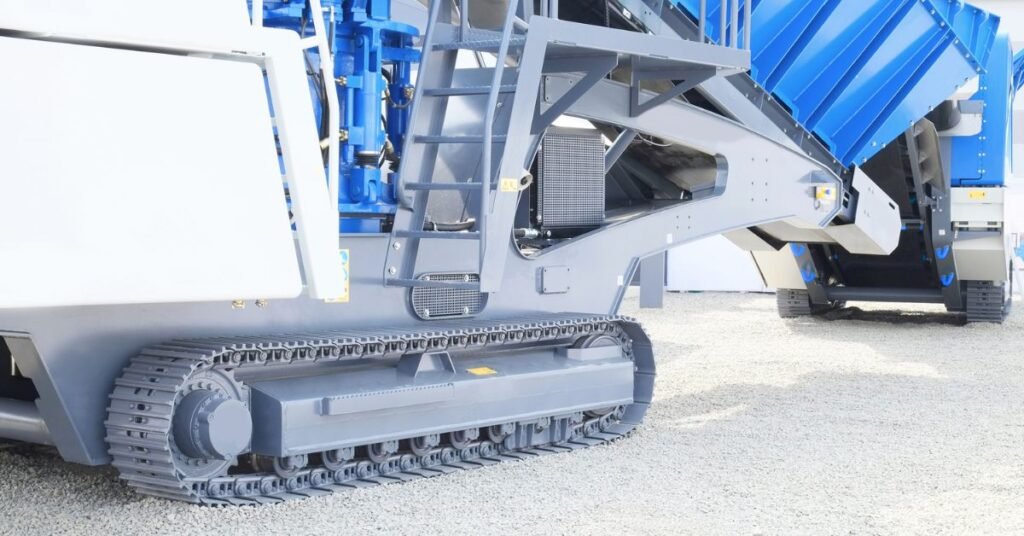
Mobile jaw crushers are essential equipment in the demolition industry, designed for the efficient processing of concrete, bricks, and other materials. These machines utilize a movable jaw that crushes materials against a fixed jaw, creating a powerful compression mechanism. There are various mobile jaw crusher types available, each tailored for specific applications and material characteristics. For instance, some models feature larger feed openings for handling oversized debris, while others are optimized for mobility and quick setup at job sites.
The adaptability of mobile jaw crushers allows them to operate in diverse environments, from urban demolition projects to remote locations. Additionally, these crushers often come equipped with advanced technologies, including hydraulic systems and automated controls, enhancing their operational efficiency. Understanding the specific types of mobile jaw crushers available enables operators to select the most suitable equipment for their demolition needs, ultimately improving productivity and material recovery.
Recycling demolition debris plays an essential role in sustainable construction practices and waste management. The benefits of recycling this material extend beyond mere disposal, contributing greatly to environmental conservation and resource efficiency. Effective recycling reduces landfill waste and promotes the reuse of valuable resources.
These points underscore the importance of recycling in enhancing demolition sustainability, ultimately leading to more responsible and eco-friendly construction practices.
Jaw crushers operate by utilizing a series of mechanical components to break down large materials into smaller, manageable pieces. The core of jaw crusher mechanics involves a fixed jaw and a movable jaw, which create a V-shaped cavity. As material is fed into this space, the movable jaw exerts force, crushing the material against the fixed jaw. The mobile crushing technology used in these machines enhances efficiency, allowing for on-site processing of demolition debris.
Hydraulic systems assist in adjusting the gap between the jaws, accommodating various material sizes and ensuring ideal crushing performance. The crushed material is then discharged through an outlet, ready for further processing or recycling. The mobility of these crushers allows operators to relocate equipment easily, minimizing transport costs and maximizing productivity in demolition projects. Through these mechanisms, mobile jaw crushers effectively contribute to sustainable debris management and recycling efforts.
Mobile jaw crushers are designed with key features that enhance their effectiveness in demolition applications. Their portability allows for easy transportation between job sites, while their crushing efficiency and power guarantee peak performance in handling various materials. These characteristics make mobile jaw crushers an essential tool in the demolition industry.
While demolition projects often take place in challenging environments, the design of mobile jaw crushers enhances their portability and convenience considerably. These machines offer portable solutions that facilitate efficient material processing on-site, eliminating the need for extensive transportation.
This combination of features guarantees that mobile jaw crushers are not only efficient but also user-friendly, making them an essential asset for demolition projects where time and space constraints are prevalent.
Crushing efficiency and power are critical attributes of mobile jaw crushers that greatly enhance their performance in demolition applications. These machines are designed to deliver exceptional crushing power, enabling them to process tough materials such as concrete and asphalt effectively. Key features include advanced hydraulic systems and powerful engines that facilitate rapid material processing while minimizing downtime. Efficiency optimization is achieved through innovative design elements like adjustable settings for jaw spacing, which allow operators to tailor the output size to specific project requirements. Additionally, the integration of technology, such as automated monitoring systems, guarantees consistent performance, maximizing productivity. Overall, the combination of crushing power and efficiency optimization makes mobile jaw crushers indispensable tools in the demolition industry.
On-site recycling offers significant advantages for demolition projects, particularly regarding efficiency and sustainability. The integration of mobile jaw crushers facilitates immediate processing of demolition debris, enhancing on-site efficiency. By minimizing transportation needs and allowing for the reuse of materials directly at the job site, these practices contribute to a more streamlined operation.
The recycling benefits of on-site operations include:
Mobile crushing technology offers significant cost savings by minimizing transportation expenses associated with transporting waste materials to disposal sites. By processing debris on-site, operators can also reduce disposal fees, as the volume of waste is decreased and recyclable materials are utilized effectively. This efficiency not only lowers operational costs but also enhances overall project profitability.
While traditional methods of demolition often incur significant transportation costs due to the need to transport materials to distant processing facilities, mobile jaw crushers offer a cost-effective solution by enabling material processing directly at the job site. This innovation not only streamlines operations but also contributes to transportation optimization, resulting in substantial savings. A thorough cost analysis reveals the following advantages:
Significant cost savings can be achieved through the utilization of mobile jaw crushers, particularly regarding lower disposal fees. By processing demolition debris on-site, these machines reduce the volume of waste that must be transported to landfills, directly impacting disposal costs. Cost comparisons reveal that traditional disposal methods often incur high fees associated with transportation and tipping charges. In contrast, mobile crushing facilitates the creation of reusable materials, offering disposal alternatives that not only diminish landfill reliance but also convert waste into valuable aggregates. This recycling approach enhances sustainability while providing financial benefits to contractors and businesses. Ultimately, the integration of mobile jaw crushers presents a strategic advantage in managing disposal expenses effectively.
The environmental impact of mobile jaw crushers is a crucial consideration in modern demolition practices. These machines play an essential role in promoting sustainable practices and facilitating waste reduction during construction and demolition activities. Their compact design enables them to operate on-site, minimizing transportation emissions and allowing for immediate recycling of materials.
Key environmental benefits include:
Mobile jaw crushers are engineered to handle a diverse array of materials, making them versatile tools in the demolition and recycling industries. These machines are particularly effective for processing construction waste, which includes concrete, brick, asphalt, and mixed debris. By efficiently breaking down these materials, mobile jaw crushers facilitate the production of recycled aggregates, a vital component for sustainable construction practices. The ability to crush and recycle such materials on-site not only reduces transportation costs but also minimizes the environmental footprint associated with waste disposal. Moreover, the output from mobile jaw crushers can be tailored to meet specific grading requirements, ensuring that the recycled aggregates produced are suitable for various applications, including road base and sub-base materials. This adaptability highlights the importance of mobile jaw crushers in promoting resource recovery and advancing recycling initiatives within the construction sector.
Case studies in demolition illustrate the effectiveness of mobile jaw crushers in implementing innovative recycling techniques. These projects have demonstrated significant improvements in operational efficiency while also reducing environmental impact through effective material processing. By analyzing successful implementations, valuable insights can be gained regarding best practices and potential challenges in the field.
Innovative recycling techniques have transformed the demolition industry, showcasing remarkable success stories that highlight efficiency and sustainability. Various projects have implemented advanced recycling innovations, greatly improving debris processing and resource recovery.
These case studies demonstrate that effective recycling practices not only enhance operational efficiency but also contribute to environmental conservation within the demolition sector.
Recent advancements in demolition practices have led to significant project efficiency improvements, as evidenced by various successful case studies. The integration of mobile jaw crushers has enabled project workflow optimization, allowing for seamless processing of demolition debris on-site. For instance, a notable project in urban redevelopment reported operational time savings of up to 30%, primarily due to the reduced need for transportation of materials. By utilizing these crushers, contractors have effectively minimized downtime and streamlined their processes, leading to faster project completion. Additionally, the ability to recycle materials on-site has further enhanced efficiency, contributing to tighter project schedules and improved budget management. Collectively, these advancements highlight the critical role of technology in modern demolition practices.
Mobile jaw crushers have emerged as a pivotal solution in reducing the environmental impact of demolition projects. These machines facilitate sustainable practices by promoting the recycling of materials, minimizing waste, and conserving natural resources. Case studies demonstrate their effectiveness in various demolition scenarios, showcasing the incorporation of eco-friendly solutions.
When selecting a mobile jaw crusher for demolition projects, several critical factors must be considered to guarantee peak performance and efficiency. Understanding the various mobile jaw crusher types is crucial, as each is designed for specific applications and materials. For instance, crushers with advanced jaw technology may offer superior crushing capabilities, while others may prioritize portability and ease of setup.
Selecting crusher features such as jaw width, feed opening size, and throughput capacity is essential to match the machine to the project requirements. Additionally, factors like mobility and adaptability to job site conditions can greatly impact operational efficiency.
Furthermore, evaluating the availability of aftermarket support and spare parts can influence long-term operational costs. By carefully evaluating these elements, operators can confirm they choose a mobile jaw crusher that not only meets their immediate needs but also contributes to overall project success.
Proper maintenance and care for mobile jaw crushers are essential for guaranteeing peak performance and prolonging equipment lifespan. Implementing a thorough preventive maintenance program is vital to avoid unexpected breakdowns and costly repairs. Regular inspections should focus on key components to identify wear and tear before they escalate into significant issues.
Ensuring safety during the operation of mobile crushers is paramount in preventing accidents and protecting personnel on construction sites. Extensive operator training is essential, equipping personnel with the necessary skills to handle machinery effectively and safely. This includes familiarization with the equipment’s operational guidelines, maintenance protocols, and emergency procedures.
Additionally, hazard recognition plays a vital role in maintaining a safe work environment. Operators and site managers must be trained to identify potential risks associated with mobile crushers, such as falling debris, equipment malfunctions, and proximity to other workers. Implementing safety measures, such as proper signage, barriers, and personal protective equipment, further enhances the safety of personnel. Regular safety audits and adherence to established safety protocols are essential in mitigating risks. By prioritizing operator training and hazard recognition, construction sites can greatly reduce the likelihood of accidents related to mobile crusher operations.
The future of mobile crushing technology is poised to incorporate enhanced automation features that improve operational efficiency and reduce labor costs. Additionally, there is a growing emphasis on sustainable material processing, enabling the recycling of construction debris with minimal environmental impact. These advancements will likely redefine industry standards, promoting both productivity and ecological responsibility.
Recent advancements in mobile crushing technology have led to significant enhancements in automation features, transforming the operational efficiency of mobile jaw crushers in demolition applications. These innovations integrate automated controls and intelligent monitoring systems, allowing for seamless operation and improved material processing. Key developments include:
These enhancements not only increase productivity but also contribute to more precise and reliable crushing processes, positioning mobile jaw crushers as essential tools in modern demolition debris recycling efforts.
Sustainability in material processing has emerged as a pivotal focus in the evolution of mobile jaw crushers, particularly within the demolition sector. The integration of sustainable practices in this technology has led to the development of machines designed to minimize environmental impact while maximizing efficiency. Innovations such as energy-efficient engines and hybrid power systems are being adopted, promoting eco-friendly solutions that reduce greenhouse gas emissions. Additionally, advancements in material recycling processes enable these crushers to efficiently process demolition debris into reusable aggregates. This not only conserves natural resources but also supports the circular economy. As industry standards evolve, the emphasis on sustainable material processing is expected to drive further innovation in mobile jaw crusher technology, aligning operational practices with environmental responsibility.
Integrating mobile jaw crushers into demolition projects enhances operational efficiency and reduces waste management challenges. These machines facilitate the swift processing of demolition debris, guaranteeing that materials are recycled effectively on-site. Project management teams can leverage collaboration opportunities with mobile crusher operators to streamline workflows and optimize resource allocation.
Although regulatory frameworks vary by region, understanding the regulatory aspects of demolition waste management is essential for ensuring compliance and promoting environmentally responsible practices. Effective waste management in demolition projects requires adherence to local, state, and federal regulations that govern the handling, disposal, and recycling of construction debris. Key regulations often focus on hazardous materials, such as asbestos and lead, necessitating appropriate identification and remediation protocols to protect public health and the environment.
Regulatory compliance is pivotal in minimizing legal liabilities and enhancing corporate reputation. Demolition contractors must implement thorough waste management plans that outline recycling targets, waste diversion strategies, and documentation of disposal methods. Additionally, engaging with regulatory agencies can provide valuable insights into evolving compliance standards, fostering a proactive approach to waste management. By prioritizing regulatory adherence, demolition projects can contribute to sustainable development and resource conservation, ultimately benefiting both the industry and the community.