Loaders are essential tools in demolition projects, each type offering distinct advantages tailored to specific tasks. Backhoes provide versatility and compactness, while skid-steer loaders enhance maneuverability in confined areas. Wheel loaders, on the other hand, are designed for heavy material handling. Understanding these machines and their applications can considerably impact operational efficiency. However, choosing the appropriate loader for a given project requires careful consideration of various factors. What are the key elements to assess?
Loaders, a vital piece of heavy machinery, play an essential role in demolition operations. They are designed for various tasks, with distinct loader types including wheel loaders, skid-steer loaders, and backhoe loaders. Each type offers unique advantages, such as maneuverability, power, and adaptability to different demolition environments.
Proper loader maintenance is important for ensuring peak performance and longevity. Regular inspections, including checking hydraulic fluid levels, tire conditions, and mechanical components, help prevent breakdowns during operations. Operators must also adhere to manufacturer guidelines for maintenance schedules and service intervals.
Understanding the characteristics of different loader types and the importance of maintenance allows demolition teams to select the appropriate machinery for specific tasks, ensuring efficiency and safety on site. By prioritizing both the choice of loader and its upkeep, companies can enhance productivity while minimizing operational risks in demolition projects.
A backhoe loader is a versatile piece of construction equipment that combines the functionalities of a tractor, an excavator, and a loader into a single machine. This integration is achieved through its key backhoe components, which include a front loader bucket and a rear digging arm. The front bucket is primarily used for lifting and moving materials, while the rear arm is designed for excavation tasks, allowing for efficient digging and trenching operations.
The operational efficiency of backhoe loaders makes them indispensable on construction and demolition sites. Their compact size enables maneuverability in tight spaces, and the quick attachment changes enhance productivity. Operators can rapidly switch between tasks, utilizing the same machine to perform various functions without the need for multiple pieces of equipment. This adaptability contributes to reduced operational costs and improved project timelines, solidifying the backhoe loader’s role in modern construction practices.
Numerous key features define the effectiveness of backhoe loaders, making them a preferred choice in construction and demolition projects. Their versatility is rooted in the dual functionality of the front loader and rear excavator, enabling efficient material handling and digging tasks. Backhoe loaders typically possess advanced hydraulic systems that enhance operational efficiency, allowing for precise control and faster work cycles. Additionally, their compact design offers superior maneuverability in confined spaces, a vital factor on urban job sites.
Regular backhoe maintenance is essential for ensuring ideal performance and longevity. This includes routine checks on hydraulic fluid levels, engine conditions, and wear on key components. Furthermore, many modern backhoe loaders are equipped with telematics, providing real-time data on machine performance and maintenance needs. This integration of technology further supports operational efficiency, enabling operators to make informed decisions and minimize downtime during projects.
Backhoes offer significant advantages in demolition operations due to their versatile digging capabilities, which allow for efficient excavation and material removal. Their compact size enhances maneuverability in confined spaces, making them ideal for urban demolition projects. These features facilitate effective demolition while minimizing disruption to surrounding areas.
Although various machinery can be employed in demolition projects, backhoes are particularly valued for their versatile digging capabilities. Their design allows for the implementation of various digging techniques, making them suitable for diverse tasks. Key advantages include:
This adaptability makes backhoes an essential loader type in demolition projects, optimizing productivity and effectiveness.
The compact size of backhoes provides significant advantages in demolition projects, particularly in confined or urban environments. Their compact maneuverability allows operators to navigate tight spaces with ease, enabling efficient space utilization. This is especially critical when working near existing structures or in densely populated areas, where larger machinery would be impractical. Additionally, backhoes can perform a variety of tasks, from excavation to material handling, without the need for multiple machines.
| Advantages | Description |
|---|---|
| Compact Maneuverability | Navigate tight spaces easily |
| Efficient Space Utilization | Maximize working area in confined sites |
| Versatile Functions | Perform multiple tasks with one machine |
| Quick Setup | Minimal time required for operation |
| Reduced Ground Impact | Lighter weight minimizes site disturbance |
Backhoe loaders are versatile machines commonly utilized for excavation and trenching tasks, making them essential in demolition projects. Their design allows for efficient material handling and transport, streamlining operations on job sites. This multifunctionality enhances productivity and reduces the need for multiple pieces of equipment.
When performing excavation and trenching tasks, backhoe loaders serve as indispensable equipment due to their versatility and efficiency. They are particularly effective in various applications, including:
Utilizing backhoe loaders enhances productivity while adhering to essential trenching safety practices, guaranteeing a secure work environment for operators and site personnel. Their multifunctional capability empowers construction teams in achieving excavation goals effectively.
Material handling and transport are critical functions within construction and excavation projects, where backhoe loaders excel due to their design and capabilities. Their versatility enables efficient movement of materials, enhancing loader efficiency. Backhoe loaders facilitate transport logistics by swiftly loading, unloading, and relocating materials on-site, greatly reducing project timelines.
| Function | Benefits |
|---|---|
| Material Loading | Increases efficiency |
| Transporting | Optimizes logistics |
| Site Cleanup | Enhances productivity |
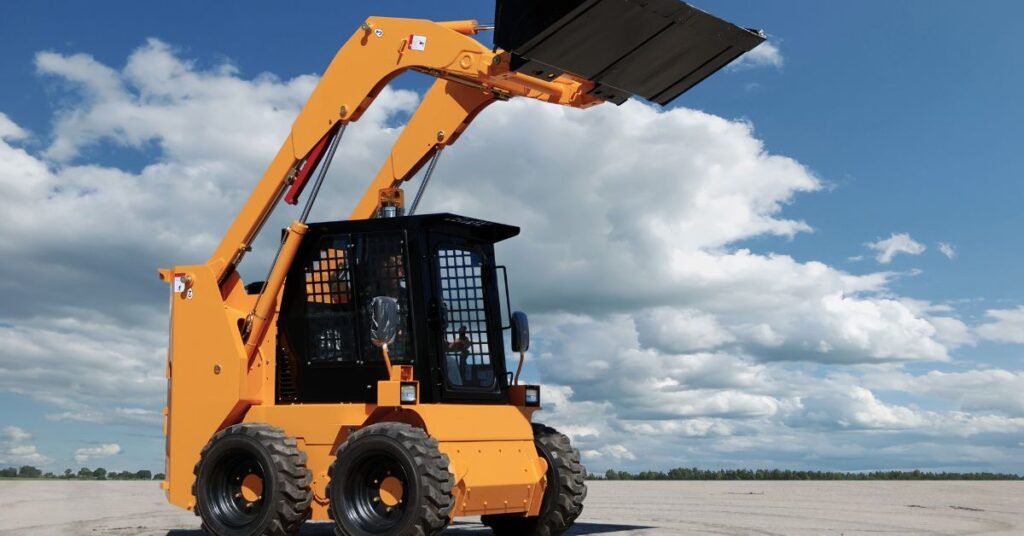
Skid-steer loaders are versatile machines widely utilized in demolition projects due to their compact size and maneuverability. Their skid steer versatility makes them ideal for traversing tight spaces, which is often a necessity on demolition sites. These machines can perform a variety of tasks, enhancing efficiency and productivity. Key characteristics include:
While many construction machines offer specific functionalities, skid-steer loaders are distinguished by their unique combination of features that enhance operational efficiency. Their compact design allows for easy maneuverability in tight spaces, making them ideal for demolition tasks. Skid-steer versatility is evident in their ability to operate in various environments, from urban construction sites to rural projects. Equipped with a robust hydraulic system, these loaders can handle heavy loads and deliver high lifting capacities.
The wide range of attachment options further amplifies their functionality. Attachments such as buckets, grapples, and hydraulic breakers enable skid-steer loaders to perform multiple tasks, including excavation, material handling, and demolition. The quick-attach system simplifies the process of changing attachments, allowing operators to switch tools swiftly. Collectively, these features make skid-steer loaders a valuable asset in the demolition industry, providing adaptability and efficiency essential for diverse project requirements.
Skid-steer loaders offer significant advantages in demolition projects due to their compact size, allowing for efficient maneuverability in tight spaces. Additionally, their versatile attachment options enable operators to customize functionality for various demolition tasks, enhancing productivity and effectiveness. These features make skid-steer loaders an essential asset in the demolition industry.
How can the compact size of skid-steer loaders enhance efficiency in demolition projects? Their design offers several key advantages, particularly in tight spaces where traditional machinery may falter.
Versatile attachment options greatly enhance the utility of skid-steer loaders in demolition projects, allowing operators to adapt to a wide range of tasks efficiently. Skid-steers offer exceptional attachment compatibility, enabling the use of various hydraulic attachments such as grapples, breakers, and augers. These specialized tools can handle diverse materials, from concrete to metal, thereby improving material versatility on site. Additionally, operators can select from multiple bucket options tailored for specific demolition needs, optimizing attachment performance for each task. The ability to quickly switch attachments not only increases productivity but also minimizes downtime, making skid-steer loaders a preferred choice in dynamic demolition environments where adaptability is vital.
Equipped with a range of attachments, skid-steer loaders excel in various demolition tasks, making them indispensable on job sites. Their skid steer versatility allows operators to efficiently tackle multiple applications, enhancing productivity and reducing downtime. Common uses include:
The diverse attachment types available for skid-steer loaders facilitate their adaptability in various demolition scenarios, making them a critical asset for contractors and construction teams aiming for efficiency and versatility on the job site.
Wheel loaders are heavy-duty machines designed for the efficient movement and loading of materials in a variety of construction and demolition applications. These versatile machines come in several wheel loader types, including compact, standard, and large models, each tailored for specific tasks and job site conditions. Compact wheel loaders are ideal for tight spaces, while larger models excel in heavy lifting and extensive material handling.
Proper loader maintenance is critical to guarantee peak performance and longevity. Routine maintenance tasks include checking fluid levels, inspecting tire pressure, and monitoring hydraulic systems. Regular servicing not only enhances the machine’s efficiency but also prevents costly breakdowns during demanding operations. Additionally, understanding the specific wheel loader type can aid operators in maximizing productivity, as different models may offer unique features or capabilities suited to various demolition tasks. Consequently, selecting the appropriate wheel loader and maintaining it diligently is essential for successful project execution.
The functionality of wheel loaders is markedly influenced by their key features, which enhance performance across various demolition tasks. Understanding these features is essential for maximizing wheel loader efficiency and ensuring longevity through proper maintenance.
Hydraulic System: A robust hydraulic system allows for precise control over lifting and tilting, essential for handling heavy loads and ensuring safety during demolition.
Bucket Options: Versatile bucket designs enable operators to tailor their equipment for specific tasks, whether it involves digging, scooping, or transporting materials, optimizing operational efficiency.
Operator Comfort: Ergonomic cabins equipped with intuitive controls and visibility features reduce operator fatigue, facilitating better focus and productivity throughout extended work periods.
Incorporating these key features not only enhances wheel loader performance but also aligns with loader maintenance tips, such as regular inspections and timely repairs, to prolong equipment life and efficiency.
Wheel loaders offer significant advantages in demolition applications due to their high load capacity, enabling efficient handling of heavy materials and debris. Additionally, the versatility of attachment options allows operators to customize their machines for various tasks, enhancing productivity and adaptability on job sites. These characteristics make wheel loaders a valuable asset in the demolition industry.
High load capacity is a critical advantage of utilizing wheel loaders in demolition projects. These machines excel in high load efficiency, making them indispensable for transporting heavy materials. Their robust design and powerful hydraulics enable them to handle significant weight, which enhances productivity on-site.
Key benefits include:
While demolition projects often require specialized equipment, the versatility of attachments available for loaders greatly enhances their functionality. Wheel loaders can utilize a wide range of attachment types, including buckets, grapples, and hydraulic breakers, allowing for tailored solutions to various demolition tasks. This adaptability is essential in efficiently managing diverse materials, from concrete to metal debris. Furthermore, the attachment compatibility of wheel loaders guarantees that operators can quickly switch between tools, minimizing downtime and maximizing productivity. This feature is particularly beneficial in fast-paced demolition environments where efficiency is critical. By leveraging the diverse attachment options, operators can effectively address specific project demands, making wheel loaders a significant component in modern demolition operations.
Effective loader operation in demolition requires adherence to established best practices to guarantee safety and efficiency on site. Implementing these practices not only enhances productivity but also minimizes risks associated with heavy machinery.
Loader Maintenance Tips: Regular inspection and maintenance of loaders are essential. Operators should check fluid levels, tire pressure, and hydraulic systems before each use to prevent breakdowns during operation.
Operator Training Importance: Extensive training for operators is crucial. This guarantees they are well-versed in safety protocols and operational techniques, reducing the likelihood of accidents and improving overall site safety.
Site Assessment: Conducting a detailed site assessment prior to commencing work helps identify potential hazards and allows for strategic planning of loader movements, ultimately promoting a safer working environment.
Selecting the appropriate loader for a demolition project requires careful consideration of various factors to guarantee peak performance and safety. Loader selection criteria should encompass the specific tasks, desired mobility, and the type of material being handled. Project size considerations also play an essential role in determining the most suitable loader type.
| Loader Type | Ideal Project Size |
|---|---|
| Backhoe | Small to Medium Projects |
| Skid-Steer | Compact Spaces |
| Wheel Loader | Large Sites |
| Mini-Excavator | Confined Areas |
Each loader has distinct advantages that align with particular project needs. A thorough evaluation of these elements assures that the chosen equipment maximizes efficiency and minimizes risks. Ultimately, selecting the right loader can greatly influence the success of a demolition endeavor.
Safety is paramount when operating loaders on demolition sites, as the potential hazards can lead to severe injuries or property damage. Ensuring loader safety involves adhering to established protocols and emphasizing operator training. Proper training equips operators with the necessary skills to handle equipment efficiently while minimizing risk.
Key safety considerations include:
Pre-Operation Inspections: Operators should conduct thorough inspections of the loader before use, checking for any mechanical issues or safety equipment malfunctions.
Site Awareness: Operators must maintain awareness of their surroundings, including the presence of other workers, obstacles, and overhead hazards.
Use of Personal Protective Equipment (PPE): Wearing appropriate PPE, such as hard hats, gloves, and steel-toed boots, is essential to protect against potential injuries during loader operations.