Demolition grapples and multi-processors are essential tools for efficient material handling in demolition projects. Their advanced features enhance sorting capabilities and improve operational safety. Understanding their specific functions and advantages can greatly impact project outcomes. Various types of grapples and processors exist, each suited for different tasks. A closer look at these tools reveals their role in modern demolition practices and the potential for future innovations.
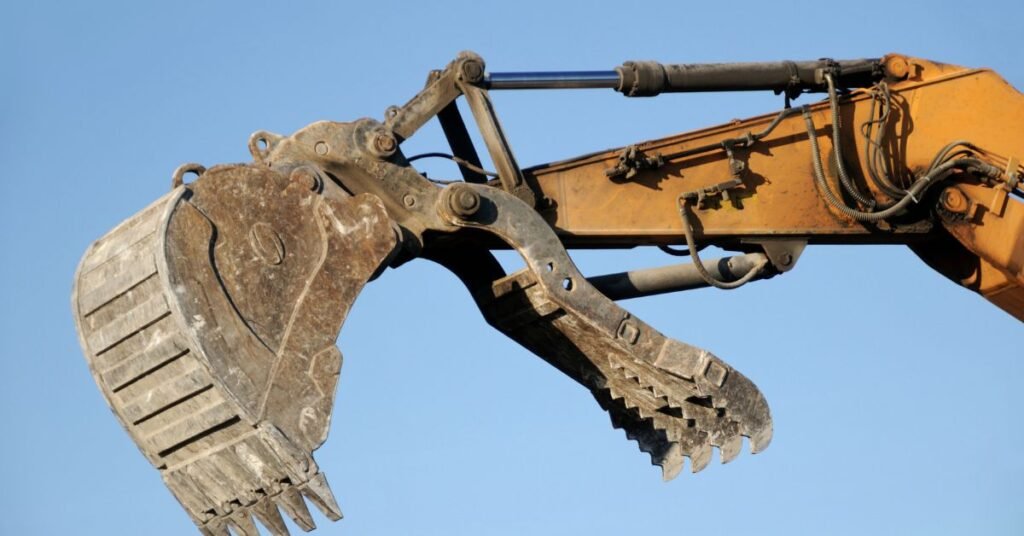
Understanding demolition grapples is fundamental for effective deconstruction and material handling in demolition projects. These specialized attachments are engineered for various demolition applications, facilitating the efficient and safe manipulation of materials. The grapple design typically includes robust tines or jaws that can securely grasp a wide range of materials, from concrete to metal debris.
Their versatility allows operators to perform tasks such as sorting, lifting, and transporting materials directly from the demolition site. The hydraulic mechanism in grapples provides precise control, enabling operators to execute tasks with accuracy, which is essential in reducing the risk of accidents and enhancing productivity.
Moreover, the choice of grapple design can greatly influence performance, as different configurations cater to specific material types and site conditions. Understanding these elements is crucial for selecting the appropriate grapple and maximizing its effectiveness in demolition operations.
Demolition grapples are designed with several key features that enhance their functionality and performance in various demolition tasks. These features include advanced design innovations that improve the efficiency of material handling and sorting during demolition operations. The construction of demolition grapples utilizes high-strength materials, ensuring material durability under extreme conditions, which is essential for prolonged use.
| Feature | Description | Benefit |
|---|---|---|
| Rotating Mechanism | Allows for 360-degree rotation | Enhances precision in placement |
| High-Strength Steel | Utilizes advanced alloys for durability | Increases lifespan and reliability |
| Interchangeable Jaws | Compatible with various attachments | Offers versatility for tasks |
| Lightweight Design | Optimized structure for reduced weight | Improves machine efficiency |
These features collectively contribute to the grapple’s effectiveness in handling diverse materials, optimizing performance in challenging environments.
Demolition grapples provide significant advantages in material handling by enhancing grip and control, which facilitates the efficient sorting and transportation of debris. Their design also contributes to improved safety standards by minimizing the risk of accidents during demolition operations. Additionally, the use of grapples increases operational efficiency by reducing cycle times and labor costs associated with traditional demolition methods.
Effective material handling is essential in construction and demolition projects, and using demolition grapples greatly enhances this process. These tools facilitate advanced sorting and efficient material recovery, ensuring that valuable resources are salvaged and reused. Grapples are designed to grasp a variety of materials, allowing operators to quickly and accurately separate debris. This capability maximizes recycling efforts and reduces landfill waste.
| Feature | Benefit | Impact on Project |
|---|---|---|
| Advanced Sorting | Efficient debris separation | Improved recycling rates |
| Versatile Grasping | Handles diverse materials | Increased operational flexibility |
| Enhanced Control | Precision in placement | Reduced handling time |
| Durable Construction | Long-lasting performance | Cost-effective solution |
| Easy Attachment | Quick setup on machinery | Streamlined workflow |
Safety is a paramount concern in construction and demolition environments, and the integration of demolition grapples greatly enhances safety standards on job sites. These specialized attachments facilitate secure handling of hazardous materials and debris, minimizing the risk of accidents. By adhering to stringent safety regulations, demolition grapples guarantee that operators maintain safe distances from unstable structures while performing their tasks. Additionally, thorough operator training is essential for maximizing the effectiveness of demolition grapples. Proper training equips operators with the necessary skills to utilize these tools safely and efficiently, reducing the likelihood of operator error. Ultimately, the implementation of demolition grapples not only promotes a safer work environment but also supports compliance with industry safety standards, enhancing overall site safety.
The integration of demolition grapples not only enhances safety protocols but also greatly boosts operational efficiency on job sites. By employing advanced operational strategies, demolition grapples facilitate the rapid sorting and handling of materials, considerably reducing downtime. Their precision in grasping various debris types streamlines workflows, allowing for effective resource allocation and minimizing unnecessary movements. This workflow optimization leads to faster project completion times, ultimately lowering labor costs and enhancing productivity. Additionally, the capability of grapples to adapt to different tasks enables contractors to execute projects with greater flexibility, effectively responding to changing site conditions. Overall, the use of demolition grapples is an essential component in modern demolition practices, ensuring both efficiency and effectiveness in operations.
Demolition grapples come in various types, each designed to handle specific tasks in the dismantling process. The primary grapple types include standard grapples, which are versatile for general debris handling; sorting grapples, optimized for separating materials; and concrete grapples, engineered for heavy lifting and handling of aggregate materials. Each type is constructed with specific grapple materials that enhance durability and performance, such as high-strength steel for improved longevity and resistance to wear. Additionally, specialized grapples may feature reinforced jaws or unique configurations tailored for particular applications, like tree removal or industrial dismantling. Understanding the distinctions between these grapple types and their respective materials is crucial for selecting the appropriate equipment to guarantee efficiency and safety on demolition sites. Proper selection not only maximizes operational effectiveness but also minimizes downtime and potential hazards during the dismantling process.
Multi-processors serve a vital role in demolition operations by integrating multiple functionalities into a single attachment. Their versatile applications allow for tasks such as cutting, crushing, and sorting materials, making them essential for efficient project execution. When selecting a multi-processor, it is significant to take into account key features such as hydraulic power, jaw design, and adaptability to various machinery.
Designed for versatility and efficiency, multi-processors serve as essential tools in demolition and recycling operations. Their multi-processor functionality allows them to perform various tasks, including crushing, cutting, and sorting materials, which greatly enhances productivity. Equipped with interchangeable jaws, these units exhibit remarkable attachment adaptability, enabling operators to switch between different attachments based on specific job requirements. This flexibility guarantees peak performance across diverse applications, ranging from dismantling structures to processing scrap materials. The robust design of multi-processors also contributes to their durability, making them suitable for heavy-duty environments. Ultimately, their ability to combine multiple functions into a single attachment streamlines operations, reduces equipment costs, and improves overall efficiency in material handling and recycling processes.
Harnessing advanced technology, multi-processors offer a range of versatile applications that greatly enhance demolition projects. These advanced tools integrate multiple functionalities, allowing operators to employ various demolition techniques effectively. With equipment innovations, multi-processors can crush, shear, and sort materials on-site, minimizing the need for additional machinery. This efficiency not only streamlines workflows but also reduces operational costs and time. The adaptability of multi-processors enables them to handle different materials, including concrete and metal, ensuring thorough demolition solutions. In addition, their capability to perform multiple tasks eliminates the need for switching between different attachments, enhancing overall productivity. As a result, multi-processors have become indispensable in modern demolition practices, reflecting the industry’s progression towards more efficient and versatile equipment.
When selecting a multi-processor for demolition tasks, several key features warrant careful consideration to ascertain peak performance and efficiency. Understanding these attributes guarantees that the equipment meets the demands of various applications while optimizing productivity.
These features collectively inform a well-rounded decision for effective demolition operations.
Multi-processors are fundamental tools in the demolition industry, offering versatility and efficiency for a range of tasks. The multi processor design incorporates a robust structure that allows operators to efficiently handle various materials, including concrete, metal, and wood. These attachments are equipped with interchangeable jaws, enabling swift shifts between functions such as cutting, crushing, and sorting. A critical component of their performance is the hydraulic system, which provides the necessary power and precision for intricate operations. This system guarantees peak clamping force and speed, enhancing overall effectiveness in demolition projects. Additionally, multi-processors often feature a compact size, allowing for better maneuverability in tight spaces. Their durability is another key feature, designed to withstand the harsh conditions typically encountered on job sites. Together, these characteristics make multi-processors a crucial asset in modern demolition practices, facilitating efficient material handling and site management.
Multi-processors in demolition offer significant advantages through their versatile attachment capabilities, allowing operators to switch between various tools for cutting, crushing, and sorting materials. This adaptability enhances operational efficiency by reducing the need for multiple machines on-site. Additionally, the enhanced precision cutting feature guarantees accurate material handling, minimizing waste and facilitating smoother project execution.
Versatile attachment capabilities considerably enhance the efficiency of demolition projects. Multi-processors exemplify attachment versatility, allowing operators to switch tools based on specific tasks. This operational adaptability minimizes downtime and maximizes productivity, contributing to cost-effective project management.
Key advantages include:
When precision is essential in demolition tasks, the advantages of multi-processors become evident. These advanced tools employ precision techniques that enhance cutting accuracy, allowing operators to execute complex demolition projects with minimal collateral damage. Multi-processors are equipped with interchangeable jaws, enabling precise cutting of various materials such as steel, concrete, and timber. This adaptability guarantees that operators can achieve clean cuts while maintaining structural integrity. Additionally, the hydraulic systems of multi-processors facilitate controlled movements, reducing the risk of unintended impacts. The integration of precision engineering in these devices not only streamlines the demolition process but also guarantees compliance with safety regulations, ultimately resulting in more efficient and effective project outcomes.
Various types of multi-processors are designed to accommodate specific demolition and construction tasks, each offering unique features and functionalities. These attachments enhance operational efficiency and versatility, making them essential tools for contractors.
While both grapples and multi-processors serve critical roles in demolition and construction, they differ fundamentally in design and functionality. A grapple is specifically designed for grasping and moving large debris, utilizing a simple yet effective grapple design that allows for strong holding power. In contrast, multi-processors offer enhanced versatility, equipped with interchangeable jaws for cutting, crushing, and sorting various materials.
| Feature | Grapple Design | Multi-Processor Versatility |
|---|---|---|
| Primary Functionality | Grasping and moving debris | Cutting, crushing, sorting materials |
| Jaws | Fixed, single-purpose grapple | Interchangeable, multi-purpose jaws |
| Weight | Generally lighter | Heavier due to additional features |
| Application | Ideal for large debris handling | Suitable for diverse demolition tasks |
Ultimately, the choice between these attachments hinges on project requirements, with grapples excelling in specific tasks and multi-processors offering broader capabilities.
How does one determine the most suitable attachment for a demolition project? Selecting the correct attachment hinges on understanding both attachment compatibility and specific project requirements. Factors such as the type of materials being processed, the scale of the demolition, and the machinery used are critical in this decision-making process.
Guaranteeing safety is paramount when operating grapples and multi-processors in demolition projects, as improper use can lead to serious accidents and injuries. Effective operator training, extensive equipment inspection, and continuous hazard identification are vital components of a robust safety strategy. Implementing established safety protocols enhances risk assessment and promotes accident prevention on the work site.
| Safety Aspect | Importance |
|---|---|
| Operator Training | Guarantees proper equipment use |
| Equipment Inspection | Identifies potential failures |
| Hazard Identification | Recognizes risks in the environment |
| Load Management | Prevents overloading and tipping |
| Emergency Procedures | Prepares for unexpected incidents |
Personal protective equipment must always be utilized to further safeguard operators. Adhering to these guidelines fosters a culture of safety, ultimately protecting personnel and enhancing operational efficiency in demolition processes.
Effective maintenance of demolition equipment, including grapples and multi-processors, is essential for ensuring peak performance and longevity. Proper equipment upkeep involves adhering to structured maintenance schedules and following established inspection protocols. Regular checks enable early detection of wear and tear, which can prevent costly downtimes.
Key maintenance tips include:
This section presents case studies highlighting successful projects that utilized demolition grapples and multi-processors. It will examine the project objectives, the rationale behind equipment selection, and the benefits achieved. Additionally, key challenges encountered during these projects and the solutions implemented will be discussed to provide insights into effective practices in demolition operations.
While various demolition methods exist, the use of grapples and multi-processors has proven particularly effective in a range of project settings. These tools enhance project management by streamlining the demolition process and improving material sorting efficiency. Successful case studies highlight their versatility in various applications, demonstrating their proficiency in handling complex demolition tasks.
Utilizing grapples and multi-processors not only optimizes resource allocation but also aligns with modern sustainability goals through effective recycling and waste management practices.
Selecting the appropriate equipment for demolition projects is essential for maximizing efficiency and safety. Grapples and multi-processors offer distinct advantages, impacting both operational costs and project outcomes. Case studies reveal successful implementations where these equipment types excelled in various demolition scenarios.
| Equipment Type | Benefits |
|---|---|
| Grapples | Enhanced material handling and sorting capabilities |
| Multi-Processors | Versatile applications for cutting, crushing, and sorting |
| Operational Efficiency | Reduced cycle times and labor costs |
| Safety Features | Minimized risk of accidents and improved site safety |
These findings underscore the importance of selecting the right equipment type to guarantee that demolition projects are executed effectively while controlling operational costs and maintaining safety standards.
Demolition projects often encounter various challenges that can impede progress and increase costs. Effective use of demolition grapples and multi-processors can mitigate these issues through innovative solutions. Case studies illustrate how these tools address:
For instance, a recent urban demolition project utilized a multi-processor for precise material separation, enhancing recycling rates while reducing waste. Another case highlighted the use of grapples in maneuvering confined areas, greatly improving operational efficiency. By understanding the challenges faced and implementing these innovative solutions, contractors can achieve successful project outcomes while minimizing costs and maximizing safety.
As the construction and demolition industry evolves, advancements in sorting and handling technologies are set to redefine operational efficiency. Future technologies will likely incorporate enhanced automation trends, allowing for real-time data analysis and improved material sorting processes. These innovations will enable demolition operators to efficiently categorize materials on-site, reducing labor costs and enhancing recycling efforts.
Automated sorting systems, equipped with artificial intelligence, will facilitate the identification and separation of materials such as metals, plastics, and concrete with increased accuracy. Furthermore, the integration of robotics in demolition operations is anticipated to streamline handling processes, minimizing human risk and maximizing productivity.
As these technologies gain traction, the industry will witness a shift toward a more sustainable approach, emphasizing resource recovery and minimizing waste. Ultimately, the future of sorting and handling in demolition will hinge on the successful implementation of these advanced automation techniques, driving operational advancements and environmental responsibility.
While the integration of advanced technologies in demolition operations presents numerous benefits, the key to enhancing efficiency lies in the strategic application of these tools. As demolition trends evolve, the incorporation of equipment innovations is essential for optimizing processes.
To achieve maximum efficiency, operators should consider the following: