Hydraulic breakers are critical tools in the demolition industry, known for their efficiency and versatility. Leading brands like Atlas Copco, Epiroc, and Hitachi offer a range of models designed for various applications, from concrete breaking to rock excavation. Understanding the key features and performance metrics of these tools is essential for selecting the right one for specific tasks. The implications of this choice can greatly impact project outcomes.
Hydraulic breakers serve as vital tools in the demolition industry, effectively delivering powerful strikes to break through concrete, rock, and other tough materials. These tools come in various hydraulic breaker types, each designed for specific applications and tasks. Common types include chisel, blunt, and scaling breakers, which cater to diverse demolition needs, from precise chipping to heavy-duty excavation.
Breaker size is an important consideration when selecting a hydraulic breaker. It directly impacts the efficiency and effectiveness of the demolition process. Smaller breakers are suited for lighter tasks, such as residential renovations, while larger breakers are necessary for heavy construction and industrial applications. The appropriate selection of hydraulic breaker types and sizes guarantees peak performance, minimizing downtime and maximizing productivity on job sites. Understanding these factors is vital for operators to achieve successful demolition outcomes while maintaining safety and equipment longevity.
Effective performance in demolition tasks is heavily influenced by the key features of hydraulic breakers. Understanding these essential features is vital for selecting the right equipment for specific applications. Key specifications include impact energy, weight, and operating pressure, which all contribute to the efficiency and effectiveness of the breaker.
| Feature | Description | Importance |
|---|---|---|
| Impact Energy | Measured in Joules; determines power | Higher energy for tougher materials |
| Weight | The overall mass of the breaker | Affects portability and mounting |
| Operating Pressure | Pressure range for ideal function | Guarantees compatibility with machinery |
| Frequency | Number of impacts per minute | Influences speed of operation |
| Tool Diameter | Size of the chisel or tool attachment | Affects the type of demolition tasks |
These specifications help operators make informed decisions to maximize productivity and safety in demolition projects.
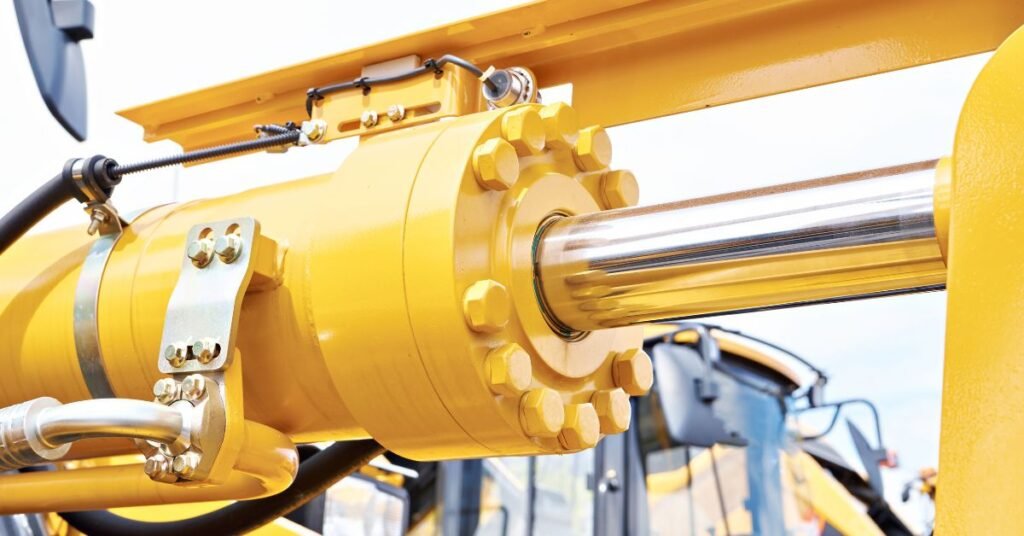
Hydraulic breakers operate through a mechanism that converts hydraulic energy into striking force, enabling efficient demolition of various materials. These tools come in different types, each designed for specific applications, ranging from lightweight models for smaller tasks to heavy-duty units for more extensive demolition projects. Understanding the operational principles and classifications of hydraulic breakers is essential for selecting the appropriate equipment for a given job.
Operating through a combination of hydraulic pressure and mechanical force, hydraulic breakers deliver powerful impacts to break apart concrete and rock. The mechanism involves the conversion of hydraulic energy into impact force, which is transmitted through a chisel or tool tip. This results in rapid and effective demolition.
| Component | Function |
|---|---|
| Hydraulic Cylinder | Generates hydraulic pressure |
| Piston | Converts hydraulic pressure into impact force |
| Tool Bit | Delivers the impact to the material |
| Control Valve | Regulates hydraulic flow |
This systematic operation guarantees that hydraulic breakers achieve maximum efficiency in demolition tasks, allowing for precise control and effective material removal. Understanding this mechanism is vital for operators aiming to utilize these powerful tools effectively.
Various types of hydraulic breakers are designed to meet specific demolition needs, each with distinct features and applications. Understanding these breaker classifications is vital for selecting the appropriate tool for a given task. Common breaker types include:
Each type serves unique functions, making it important for operators to select the right hydraulic breaker for peak performance and efficiency in demolition tasks.
Hydraulic breakers are versatile tools employed in various demolition applications, including road and pavement removal, concrete structure demolition, and rock excavation. Their ability to deliver powerful strikes allows for efficient material breakdown in challenging environments. As a result, they are essential in both construction and demolition industries for achieving precise and effective results.
Effective road and pavement removal often hinges on the use of hydraulic breakers, which are engineered to deliver powerful impacts that facilitate the demolition process. These tools efficiently break down asphalt and concrete surfaces, enabling easier extraction and recycling. By employing hydraulic breakers, contractors can achieve quicker project timelines and cost-effective pavement recycling.
Incorporating hydraulic breakers into road and pavement removal projects not only enhances efficiency but also contributes to sustainable practices through effective asphalt removal and recycling initiatives.
The use of hydraulic breakers extends beyond road and pavement removal, proving to be essential in the demolition of concrete structures. These tools enhance concrete removal techniques by delivering powerful strikes that effectively fracture and displace concrete, making them ideal for various demolition tasks. Hydraulic breakers facilitate quick and efficient demolition, greatly improving demolition efficiency compared to traditional methods. They are versatile, capable of adapting to different project scales, from small renovations to large-scale demolitions. In addition, the precision offered by hydraulic breakers minimizes collateral damage to surrounding structures, ensuring safety and structural integrity. As a result, they have become a crucial asset in modern demolition projects, streamlining operations and reducing overall project timelines.
Employing hydraulic breakers for rock excavation and breaking enhances the efficiency of geological demolition tasks. These powerful tools facilitate rock fragmentation, allowing for the effective removal of hard materials in various applications. Utilizing advanced excavation techniques, hydraulic breakers contribute greatly to project timelines and costs.
While hydraulic breakers are essential tools for efficient demolition, safety considerations must be prioritized to prevent accidents and injuries. Operators should wear proper protective gear, including helmets, gloves, and eye protection, to mitigate the risks associated with debris and vibrations. Additionally, maintaining hazard awareness is vital; operators should assess the worksite for potential dangers such as overhead lines, unstable surfaces, and nearby personnel.
| Safety Gear | Purpose | Recommendations |
|---|---|---|
| Hard Hat | Protects head from falling debris | Always wear on-site |
| Safety Glasses | Shields eyes from dust and fragments | Use anti-fog lenses |
| Ear Protection | Reduces noise exposure | Use earmuffs or plugs |
| Steel-Toed Boots | Protects feet from heavy objects | Guarantee proper fit |
Selecting the right hydraulic breaker can greatly impact the efficiency and effectiveness of demolition projects. Numerous brands dominate the market, each offering unique features that cater to different needs. Understanding these options facilitates informed decisions through top hydraulic breaker comparisons.
These brands are recognized for their quality and performance, ensuring that professionals can select the most suitable hydraulic breaker for their specific demolition requirements.
Atlas Copco stands out as a leader in the hydraulic breaker market, recognized for its commitment to innovation and durability. The company has pioneered various Atlas Copco innovations that enhance performance and efficiency, ensuring operators achieve superior results in demolition tasks. These innovations include advanced hydraulic systems that improve energy efficiency and reduce vibration, leading to greater operator comfort and safety.
Atlas Copco applications span a wide range of industries, including construction, mining, and demolition. Their hydraulic breakers are designed to tackle diverse materials, from concrete to rock, making them versatile tools for contractors. The product range accommodates different sizes and power requirements, ensuring that users can select the right model for specific job demands. By focusing on both performance and reliability, Atlas Copco continues to set industry standards, making their hydraulic breakers a preferred choice for professionals seeking high-quality demolition equipment.
Caterpillar, a prominent name in heavy machinery, offers a robust lineup of hydraulic breakers designed for demolition and construction applications. With a rich Caterpillar history dating back to 1925, the company has continually evolved, integrating cutting-edge technologies and Caterpillar innovations into its products. Their hydraulic breakers are engineered for high durability and efficiency, making them an essential tool for contractors.
These features not only enhance productivity but also contribute to the longevity of the equipment, solidifying Caterpillar’s reputation as a leader in the hydraulic breaker market. Users can rely on Caterpillar for dependable, innovative solutions in heavy-duty demolition and construction tasks.
Bobcat offers a thorough range of hydraulic breakers designed for various demolition applications. These breakers are characterized by their robust construction, efficient energy transfer, and user-friendly controls, making them suitable for a wide array of tasks. Their versatility allows operators to tackle both light and heavy demolition work effectively.
The hydraulic breaker product range offered by Bobcat is designed to enhance demolition efficiency across various applications. Bobcat’s commitment to innovation aligns with emerging market trends, providing a thorough selection of product types tailored for diverse operational needs.
These options guarantee that contractors can select the right tool for specific jobs, optimizing performance while maintaining safety standards. Bobcat’s hydraulic breakers exemplify reliability and effectiveness, making them a preferred choice in the demolition industry.
When considering hydraulic breakers for demolition, key features such as durability, versatility, and operational efficiency are paramount. Bobcat’s hydraulic breakers stand out for their hydraulic efficiency, guaranteeing peak power transfer while minimizing energy loss. This design not only enhances performance but also contributes to prolonged equipment life. Additionally, Bobcat incorporates advanced noise reduction technologies, greatly lowering operational sound levels, which is essential for urban demolition projects where noise pollution regulations are stringent. The robust construction of these breakers guarantees they can withstand harsh environments and heavy usage without compromising effectiveness. Overall, Bobcat hydraulic breakers exemplify a balance of strength and innovation, making them a reliable choice for professionals in the demolition industry.
Demolition professionals rely on hydraulic breakers for their ability to adapt to a variety of applications, making them indispensable tools in the industry. Bobcat’s hydraulic breakers exemplify this versatility, proving effective across multiple application scenarios. Their design focuses on enhancing operational efficiency, allowing for seamless integration with various machinery.
These breakers are engineered to handle diverse tasks, ensuring increased productivity and reduced downtime. By offering powerful performance tailored for specific needs, Bobcat’s hydraulic breakers facilitate a broad range of demolition activities, ultimately supporting professionals in achieving their project goals efficiently.
Komatsu, a leading manufacturer in the construction and mining equipment sector, has established a strong reputation for producing high-quality hydraulic breakers. The company offers a range of Komatsu models designed for various demolition applications, guaranteeing peak performance and durability. These models, such as the Komatsu HB series, are engineered with advanced features that promote efficiency and reduce operational costs.
Notable Komatsu features include a patented energy recovery system, which maximizes impact force while minimizing recoil. This technology translates into improved productivity on job sites. Additionally, Komatsu hydraulic breakers are equipped with a user-friendly control system, allowing operators to adjust settings for specific tasks easily. The robust construction of these breakers guarantees longevity, even in the most demanding conditions. Overall, Komatsu continues to lead the market with innovative solutions and reliable equipment tailored for effective demolition operations.
Hitachi, a prominent player in the hydraulic breaker market, is recognized for its commitment to engineering excellence and innovation in demolition equipment. Established in 1910, Hitachi has a rich history of developing reliable and powerful machinery. Their hydraulic breakers are engineered to deliver exceptional performance and durability, catering to various demolition needs.
Hitachi’s focus on continuous improvement and innovative solutions has positioned it as a leader in the industry. By consistently integrating cutting-edge technology, Hitachi guarantees that its hydraulic breakers meet the evolving demands of modern demolition projects, ultimately providing users with efficient and effective tools for their tasks.
In evaluating hydraulic breakers, the relationship between weight and impact energy is critical for appraising performance. Heavier breakers typically deliver greater impact energy, which can enhance demolition efficiency. However, energy efficiency must also be considered to optimize operational effectiveness and reduce fatigue during extended use.
The performance of hydraulic breakers in demolition tasks is greatly influenced by their weight and impact energy. Analyzing weight distribution and its effect on impact force is essential for maximizing performance. Breakers with higher weight typically deliver greater impact energy, making them suitable for tougher materials. Conversely, lighter models provide enhanced maneuverability for precision work in confined spaces.
Although hydraulic breakers vary widely in design and application, their energy efficiency is primarily determined by the interplay between weight and impact energy. The performance of hydraulic systems hinges on the balance of these two factors; a heavier breaker typically delivers greater impact energy, enhancing its effectiveness on tougher materials. However, excessive weight can lead to decreased operational speed and increased fatigue for operators. Conversely, lighter breakers improve maneuverability and reduce wear on hydraulic systems but may lack the impact needed for heavy demolition tasks. As a result, selecting a suitable breaker requires careful consideration of the specific demolition requirements, ensuring that the chosen model maximizes energy efficiency without compromising performance or operator comfort.
Choosing the right hydraulic breaker for a demolition project requires careful evaluation of several key factors. Selecting an appropriate breaker is essential to guarantee it meets the project specifications and maintains ideal breaker compatibility with the machinery in use.
Key factors to take into account include:
These evaluations will help guarantee the selected hydraulic breaker performs effectively throughout the demolition process.
Regular maintenance is vital for maximizing the lifespan and performance of hydraulic breakers. Implementing a preventive maintenance schedule can greatly reduce the risk of unexpected failures and downtime. Operators should routinely inspect the breaker for signs of wear, such as cracks or damage to the housing and chisel. Lubrication of moving parts is essential to guarantee smooth operation, while checking hydraulic fluid levels helps maintain efficiency.
In addition to regular inspections, employing effective troubleshooting techniques can identify potential issues before they escalate. Common problems include excessive vibration or reduced striking power, which can often be traced back to improper hydraulic pressure or worn components. Operators should also monitor the temperature of hydraulic fluid, as overheating can lead to severe damage. By adhering to these maintenance tips, users can enhance the performance and reliability of hydraulic breakers, ultimately leading to more successful demolition projects.
As technology continues to advance, innovations in hydraulic breaker design and functionality are transforming the efficiency and effectiveness of demolition operations. Recent developments focus on integrating advanced materials and engineering techniques to enhance performance and reduce operational drawbacks.
These innovations not only boost productivity but also promote safer and more environmentally-friendly demolition practices, reflecting the industry’s commitment to sustainable development.