
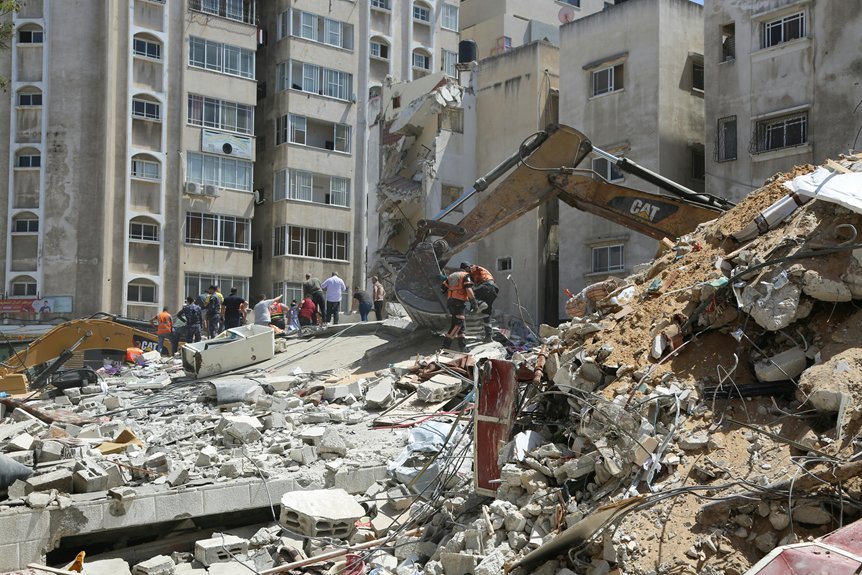
In recent years, several cities have adopted deconstruction plans as a strategic response to the pressing challenges of urban sustainability. These plans differ notably from traditional demolition practices, focusing on resource recovery and waste reduction. By understanding the legal and economic implications, cities can foster community engagement and address environmental concerns. However, the implementation of such plans is not without its challenges. What factors drive this shift, and how do they shape the future of urban development?
The Rise of Sustainable Urban Development
As cities increasingly grapple with the challenges of climate change and urbanization, the emergence of sustainable urban development has become a vital strategy for future growth. This approach emphasizes sustainable architecture, integrating environmentally responsible design with the need for functional urban spaces. By prioritizing energy efficiency, renewable materials, and green infrastructure, cities can enhance their urban resilience against climate-related disruptions.
Sustainable urban development seeks to create communities that thrive economically while minimizing environmental impact. It encourages mixed-use spaces, promoting public transit and reducing reliance on personal vehicles. Additionally, adaptive reuse of existing structures plays an essential role, allowing cities to retain their historical character while meeting modern demands. As a result, urban planners and architects are increasingly focusing on designs that foster social equity and environmental sustainability, ensuring that future urban environments can withstand the pressures of population growth and climate variability.
Understanding Deconstruction vs. Demolition
The distinction between deconstruction and demolition is critical in urban planning, particularly regarding their definitions and methodologies. While deconstruction emphasizes the careful disassembly of structures to salvage materials, demolition typically involves the rapid destruction of buildings, often resulting in substantial waste. Analyzing the environmental impacts and economic benefits of each approach reveals the strategic advantage of deconstruction in fostering sustainable urban development.
Definition of Deconstruction
Deconstruction embodies a transformative approach to urban renewal, emphasizing the careful dismantling of structures to reclaim valuable materials and reduce waste. Unlike traditional demolition, which often results in the indiscriminate destruction of buildings, deconstruction methods prioritize the systematic extraction of reusable components. This process facilitates material salvaging, allowing wood, bricks, metals, and fixtures to be repurposed or recycled. By employing strategic techniques, such as selective dismantling and hand-tool usage, deconstruction minimizes environmental impact while enhancing resource efficiency. Cities adopting deconstruction plans recognize the economic and ecological benefits, fostering sustainable development. As urban landscapes evolve, deconstruction serves as a pivotal strategy, aligning construction practices with principles of conservation and responsible resource management, ultimately redefining how communities approach building transformations.
Environmental Impact Comparison
While both deconstruction and demolition serve the purpose of clearing old structures, a significant divergence exists in their environmental impacts. Deconstruction emphasizes resource conservation and aligns with sustainability metrics by facilitating the recovery of reusable materials, thereby minimizing waste. In contrast, demolition often leads to substantial landfill contributions and environmental degradation.
| Environmental Aspect | Deconstruction | Demolition |
|---|---|---|
| Waste Generation | Minimal | High |
| Resource Recovery | High | Low |
| Carbon Footprint | Reduced | Increased |
| Impact on Local Ecosystems | Positive | Negative |
| Compliance with Regulations | More Likely | Less Likely |
This table illustrates the nuanced environmental advantages of deconstruction over traditional demolition methods, fostering a deeper understanding of their respective impacts.
Economic Benefits Explained
Economic advantages associated with deconstruction become increasingly apparent when compared to traditional demolition methods. Deconstruction, which involves the careful dismantling of structures, yields reusable materials that can be reintegrated into the economy, thereby promoting sustainable practices. This process notably contributes to economic growth by reducing waste management costs and fostering a local circular economy. Additionally, deconstruction generates job creation opportunities, as skilled labor is required to carefully extract and sort materials, unlike the more labor-intensive and less skill-dependent demolition approach. As cities implement deconstruction plans, they not only address environmental concerns but also stimulate local economies through the development of new markets and job opportunities, ultimately enhancing community resilience and sustainability.
Environmental Benefits of Deconstruction
Though traditional demolition often leads to significant waste and environmental degradation, the process of deconstruction offers a more sustainable alternative that prioritizes resource recovery and ecological preservation. Deconstruction facilitates the systematic disassembly of structures, allowing valuable materials to be salvaged for reuse in green building projects. This method not only conserves resources but also minimizes landfill contributions, which is critical in reducing overall environmental impact.
Economic Impacts of Material Reuse
The reutilization of materials obtained from deconstruction presents significant economic advantages that extend beyond environmental considerations. By diverting materials from landfills, cities can foster a robust reuse market that enhances local economies. This market capitalizes on the intrinsic material value of salvaged items, creating job opportunities in sectors such as dismantling, refurbishing, and reselling.
Furthermore, deconstruction can reduce disposal costs and generate revenue through the sale of reusable materials, which can be reinvested into community projects or infrastructure. The strategic implementation of deconstruction plans allows cities to attract businesses focused on sustainability, further stimulating economic growth.
As demand for reclaimed materials increases, the potential for innovation in products and services related to the reuse market also expands, leading to a more circular economy. Overall, the economic impacts of material reuse underscore its viability as a sustainable practice within urban development strategies.
Legal Requirements for Deconstruction Plans
Legal requirements for deconstruction plans necessitate compliance with local ordinances, which can vary considerably across jurisdictions. Additionally, adherence to environmental regulations is critical, as these frameworks influence the methods and materials involved in deconstruction processes. Financial incentives may also be available, providing municipalities and developers with strategic advantages when implementing sustainable deconstruction practices.
Local Ordinance Compliance
While traversing the complexities of deconstruction plans, compliance with local ordinances emerges as an important factor that can greatly influence the success of such initiatives. Local compliance guarantees that deconstruction projects align with community standards and legal frameworks. To effectively navigate ordinance requirements, stakeholders must consider:
- Permitting Procedures: Understanding the specific permits required for deconstruction activities is vital for legal adherence.
- Material Salvage Regulations: Familiarity with local laws regarding the recycling and repurposing of materials can enhance sustainability efforts.
- Safety and Health Codes: Compliance with safety regulations protects workers and the public during deconstruction processes.
Environmental Regulations Impact
Given the increasing emphasis on sustainability, understanding environmental regulations becomes essential for the successful implementation of deconstruction plans. Cities are increasingly adopting stringent environmental policies that necessitate the creation of deconstruction plans, aimed at minimizing waste and promoting resource recovery. These regulatory frameworks often require detailed assessments of materials to be salvaged, recycled, or disposed of, ensuring that hazardous substances are managed appropriately. Compliance with such regulations not only aligns with sustainability goals but also enhances community health and environmental quality. Consequently, stakeholders must remain vigilant regarding evolving legal requirements, integrating them into their strategic planning processes. This proactive approach not only facilitates compliance but also fosters innovation in sustainable construction practices.
Financial Incentives Available
Understanding the financial incentives available for deconstruction plans is essential for stakeholders aiming to comply with legal requirements while maximizing resource recovery. Various incentive programs can greatly enhance the financial benefits of adopting deconstruction strategies. These programs may include:
- Tax Credits: Governments often offer tax incentives for businesses that engage in deconstruction, encouraging sustainable practices.
- Grants and Subsidies: Municipalities may provide financial support to offset the costs associated with deconstruction processes.
- Material Salvage Value: Recovering valuable materials from deconstructed buildings can lead to substantial savings and revenue streams.
Case Studies of Successful Deconstruction Projects
As cities increasingly confront the dual challenges of urbanization and sustainability, successful deconstruction projects emerge as innovative solutions that not only reduce waste but also reclaim valuable materials. Numerous deconstruction case studies highlight effective strategies implemented across various urban environments. For instance, a notable project in San Francisco involved the selective dismantling of a historic structure, which led to a 90% diversion of materials from landfills. This project not only preserved architectural heritage but also provided reclaimed wood and bricks for local builders. Similarly, in Seattle, a deconstruction initiative at a former school site resulted in the recovery of reusable materials worth thousands of dollars, demonstrating economic viability. These successful project examples illustrate that deconstruction can be a strategic approach to urban regeneration, aligning environmental goals with community needs and resource efficiency, ultimately paving the way for more sustainable urban development practices.
Community Engagement in Deconstruction Efforts
How can community involvement enhance the effectiveness of deconstruction efforts? Engaging local stakeholders fosters a collaborative environment that can markedly improve deconstruction initiatives. Effective community engagement can be achieved through the following strategic approaches:
- Community Workshops: These events educate residents about the benefits of deconstruction, promoting sustainable practices and encouraging participation.
- Stakeholder Involvement: By incorporating local businesses and organizations, cities can leverage resources and expertise, ensuring a more thorough approach to deconstruction projects.
- Feedback Mechanisms: Establishing channels for community input allows residents to voice concerns and suggestions, enhancing project transparency and alignment with local needs.
These strategies not only build community awareness but also create a sense of ownership among residents, thereby increasing the likelihood of successful deconstruction outcomes. Ultimately, effective community engagement serves as an essential foundation for the sustainable transformation of urban environments.
Challenges and Barriers to Implementing Deconstruction
Although deconstruction presents a sustainable alternative to traditional demolition, several challenges and barriers hinder its widespread implementation. One significant obstacle is public perception; many individuals equate deconstruction with increased costs and extended project timelines, leading to reluctance among property owners and developers. Misconceptions about the efficiency and effectiveness of deconstruction often overshadow its environmental benefits, creating a cultural resistance to adopting this practice.
Additionally, regulatory hurdles complicate the process. Many municipalities lack clear guidelines or incentives for deconstruction, resulting in a fragmented approach that discourages its use. Building codes and zoning regulations may not accommodate the nuanced requirements of deconstruction, further complicating compliance. Consequently, without a cohesive framework that addresses these challenges, cities may struggle to integrate deconstruction into their waste management and construction strategies, limiting its potential to contribute to sustainable urban development.
Future Trends in Construction and Demolition
What innovations are poised to reshape the landscape of construction and demolition in the coming years? The future of construction and demolition is increasingly influenced by sustainability and efficiency-enhancing technologies. As cities adopt deconstruction plans, several key trends emerge:
- Modular Construction: Prefabricated units allow for easier assembly and disassembly, promoting reuse and reducing waste.
- Advanced Recycling Techniques: Innovative methods for material recovery enhance the potential for reusing building components, minimizing landfill reliance.
- Digital Tools and Automation: Technologies such as Building Information Modeling (BIM) and drones streamline project management, increasing accuracy and reducing labor costs.
These demolition innovations not only support environmental goals but also optimize operational efficiencies in future construction projects. By embracing these trends, cities can achieve a more sustainable built environment, aligning economic growth with ecological responsibility. Understanding these advancements will be vital for stakeholders as they navigate the evolving landscape of construction and demolition.
How to Develop an Effective Deconstruction Plan
Developing an effective deconstruction plan requires a strategic approach that prioritizes sustainability, resource recovery, and community engagement. Essential to this process are well-defined deconstruction strategies that outline the systematic dismantling of structures, allowing for the salvaging of materials for reuse or recycling. The plan should begin with a thorough assessment of the building, identifying valuable resources and hazardous materials.
Next, stakeholders must engage local communities to foster support and participation, ensuring transparency and collaboration throughout the project. Plan implementation should include timelines, budget considerations, and workforce training, emphasizing the importance of skilled labor in the deconstruction process. Regular evaluations during implementation can help adjust strategies as needed, optimizing resource recovery and minimizing environmental impact. By integrating these elements, cities can create effective deconstruction plans that not only address waste management but also promote economic and social benefits within the community.
Conclusion
In the landscape of urban renewal, deconstruction emerges as a phoenix, rising from the ashes of outdated structures to symbolize a commitment to sustainability and community resilience. By embracing this transformative approach, cities not only mitigate environmental impact but also weave a tapestry of interconnected lives through resource recovery and engagement. As the future unfolds, the embrace of deconstruction plans will illuminate pathways toward healthier urban environments, fostering a legacy of stewardship for generations to come.