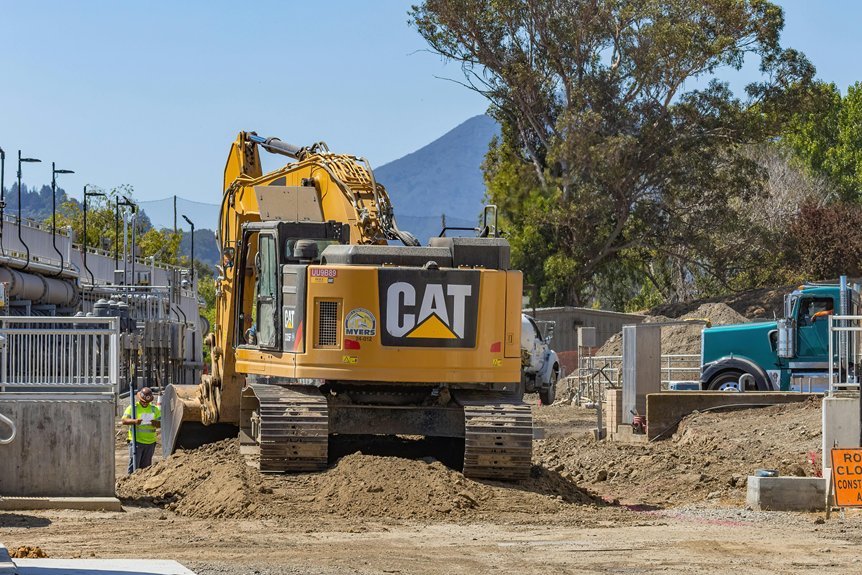
Demolition projects often lead to significant disruption of trees and landscaping. The excavation process can damage root systems, causing long-term health issues for remaining vegetation. In addition, the removal of trees can diminish biodiversity and soil stability. Understanding the implications of these actions is essential. Effective pre-demolition assessments and mitigation strategies are important in preserving greenery. What measures can be implemented to minimize the environmental impact during these operations?
Understanding the Impact of Demolition on Greenery
While demolition projects are often viewed through the lens of construction and development, their impact on surrounding greenery is significant and multifaceted. The health of existing trees can be severely affected, as demolition activities disrupt root systems and compromise their structural integrity. This disruption can lead to long-term decline or even death of trees that are not removed.
Soil preservation is another critical aspect impacted by demolition. The removal of structures often entails excavation and grading, which can lead to soil erosion and compaction. Such changes can alter the natural ecosystem, affecting nutrient availability and water retention in the soil. Consequently, any remaining greenery may struggle to thrive, leading to a decrease in biodiversity. Understanding these effects is essential for mitigating damage and implementing effective landscaping strategies during and after demolition, ensuring both tree health and soil quality are prioritized for future developments.
Tree Removal: Reasons and Regulations
Tree removal during demolition often raises significant environmental concerns, as the loss of vegetation can disrupt local ecosystems and contribute to increased carbon emissions. Compliance with local ordinances is vital, as regulations may dictate the conditions under which trees can be removed and require assessments to mitigate environmental impact. Understanding these factors is essential for balancing development needs with environmental stewardship.
Environmental Impact Considerations
Frequently, the removal of trees during demolition projects raises significant environmental concerns that necessitate careful consideration. The impact on local ecosystems can be profound, as trees play essential roles in carbon sequestration, biodiversity, and soil stability. To mitigate these effects, the adoption of sustainable practices is imperative. This includes evaluating the necessity of tree removal and considering alternatives that promote ecological restoration. Strategies such as replanting native species and preserving existing green spaces can enhance ecological resilience. Additionally, engaging with environmental consultants can guarantee that projects align with best practices in sustainability. Ultimately, balancing developmental needs with environmental integrity is crucial for fostering a healthier ecosystem and guaranteeing compliance with broader environmental stewardship goals.
Local Ordinance Compliance
Understanding local ordinances is essential for guaranteeing compliance during tree removal in demolition projects, as these regulations often dictate the conditions under which trees can be removed. Local guidelines typically outline specific criteria for tree preservation, categorizing trees by size or species and determining whether removal is permitted. Additionally, many municipalities require permits for tree removal, emphasizing the importance of adhering to these processes to avoid fines or project delays. Enforcement issues can arise when regulations are not clearly understood or followed, leading to potential legal repercussions. Consequently, stakeholders must familiarize themselves with local ordinances and engage with relevant authorities to guarantee that all tree removal activities comply with established regulations, promoting responsible demolition practices that respect community standards. Furthermore, it is crucial for contractors to consult with local officials, such as the individual who oversees demolition in Colorado, to ensure that all necessary protocols are followed. By fostering open communication with these authorities, demolition teams can receive guidance on best practices and any specific concerns related to tree removal in their area. This proactive approach not only helps in maintaining compliance but also enhances the overall integrity of demolition projects within the community.
Relocation of Plants: Possibilities and Challenges
Successfully relocating plants during demolition presents a range of possibilities and challenges that require careful consideration. Effective transplant techniques can greatly enhance the chances of maintaining plant health throughout the process. However, the success of relocation is contingent upon various factors, including the species of the plants, their size, and the timing of the move.
The method of extraction plays a vital role; for example, digging too close to the root ball can damage essential root systems, ultimately compromising plant health. Additionally, the destination site must be adequately prepared to accommodate the relocated plants, ensuring suitable soil conditions and light exposure.
While relocation can preserve valuable landscaping elements, it also demands a thorough understanding of the plants’ specific needs and environmental conditions. As a result, careful planning and execution are paramount to overcoming the inherent challenges associated with plant relocation during demolition.
Landscaping Damage: Assessing the Aftermath
How does the aftermath of demolition affect existing landscaping? The impact can be significant, often resulting in extensive damage to the surrounding vegetation. Following demolition, a thorough vegetation assessment is critical to determine which plants have survived and which have been adversely affected. Factors such as soil compaction, exposure to debris, and changes in drainage can compromise the health of existing landscaping.
In many cases, landscaping restoration is necessary to revive the area, which may involve replanting native species, amending the soil, and restoring irrigation systems. The extent of the damage dictates the restoration approach, requiring careful planning to guarantee that the new landscaping is resilient and sustainable. Additionally, understanding the ecological implications of the demolition can guide decisions, promoting not only aesthetic recovery but also enhancing biodiversity. Ultimately, a strategic assessment and restoration plan can help rehabilitate the landscape effectively after demolition.
Mitigation Strategies for Preserving Green Spaces
While the pressures of urban development often necessitate demolition, implementing effective mitigation strategies can greatly preserve green spaces. Key strategies include conducting thorough site assessments to identify valuable trees and vegetation, followed by careful planning to minimize their disruption. Retaining existing flora not only contributes to green space preservation but also enhances the ecological integrity of the area.
Sustainable landscaping practices, such as replanting native species and using permeable materials, can further support the surrounding environment during and after the demolition process. Engaging with landscape architects guarantees that designs incorporate these elements, fostering biodiversity and reducing urban heat island effects.
Additionally, community involvement in the planning stages can lead to greater awareness and support for green space initiatives. Overall, a proactive approach that prioritizes the integration of green spaces into urban planning can mitigate the negative impacts of demolition, assuring a sustainable future for urban ecosystems.
Importance of Environmental Considerations in Demolition
Although demolition is often viewed primarily through the lens of construction and development, the significance of environmental considerations cannot be overstated. Effective demolition planning must integrate sustainable practices to minimize ecological disruption. Attention to environmental factors aids in preserving the ecological balance, ensuring that local flora and fauna are protected during the demolition process.
Implementing strategies such as recycling materials, salvaging usable components, and evaluating the impact on surrounding green spaces are essential. These considerations not only reduce waste but also promote a healthier ecosystem, which is essential for community well-being. Additionally, engaging with environmental specialists can enhance the overall sustainability of demolition projects.
Ultimately, prioritizing environmental considerations during demolition creates an opportunity to harmonize development with ecological preservation, fostering a responsible approach that benefits both current and future generations. This holistic perspective is fundamental in modern construction practices, where the impact on the environment is increasingly scrutinized. Adopting sustainable practices throughout the demolition process and techniques not only minimizes waste but also allows for the salvage and reuse of materials, reducing the burden on landfills. Additionally, integrating innovative technologies can enhance efficiency and safety, further demonstrating a commitment to environmental stewardship. As the industry evolves, a focus on ecological impact will become an essential criterion for successful project execution.
Case Studies: Successful Demolition With Minimal Landscaping Impact
Case studies reveal effective strategies for achieving successful demolition while minimizing landscaping impact. Key elements include conducting pre-demolition tree assessments, implementing protective landscaping measures, and developing replanting strategies post-demolition. These practices not only preserve existing vegetation but also promote ecological restoration in urban environments.
Pre-Demolition Tree Assessment
How can effective pre-demolition tree assessments mitigate the impact of construction on surrounding landscapes? Conducting thorough evaluations of tree health and employing advanced assessment techniques are essential steps in protecting existing landscaping. These assessments allow for the identification of trees that can be preserved, thereby minimizing environmental disruption.
- Identification of at-risk trees: Pinpointing trees that may be adversely affected by demolition activities.
- Assessment of root systems: Evaluating the extent of root networks to determine potential damage.
- Recommendations for preservation: Providing actionable strategies to safeguard valuable trees during demolition.
Protective Landscaping Measures
Effective protective landscaping measures during demolition can greatly reduce environmental impact and enhance the preservation of existing flora. Case studies reveal that implementing strategies such as protective fencing around critical root zones can markedly mitigate damage to trees. Additionally, using mulch and erosion control blankets helps maintain soil integrity, thereby supporting tree preservation. In one instance, a construction project incorporated these techniques, resulting in over 80% of mature trees remaining intact. Another case demonstrated the effectiveness of scheduled demolition phases, allowing for careful monitoring and adjustments to landscaping protection measures as needed. These examples underscore the importance of planning and executing protective landscaping strategies, which not only safeguard trees but also promote ecological stability during potentially disruptive demolition activities.
Replanting Strategies Post-Demolition
What strategies can be employed to guarantee successful replanting after demolition while minimizing landscaping impact? Effective replanting techniques are essential to restore the environment and enhance biodiversity. Successful case studies demonstrate the following approaches:
- Use of native species: These plants are adapted to local conditions and support regional wildlife.
- Soil restoration: Replenishing nutrients and ensuring proper drainage can facilitate healthy plant growth.
- Strategic planting design: Incorporating diverse plant layers promotes ecological resilience and aesthetic appeal.
Conclusion
To summarize, the impact of demolition on trees and landscaping is profound, with studies indicating that up to 50% of existing tree root systems can be compromised during excavation. This statistic highlights the necessity for effective pre-demolition assessments and mitigation strategies to safeguard greenery. By implementing protective measures and thoughtful planning, it is possible to minimize environmental disruption, ensuring that valuable ecosystems are preserved and restored, consequently maintaining biodiversity and soil stability in urban landscapes.