
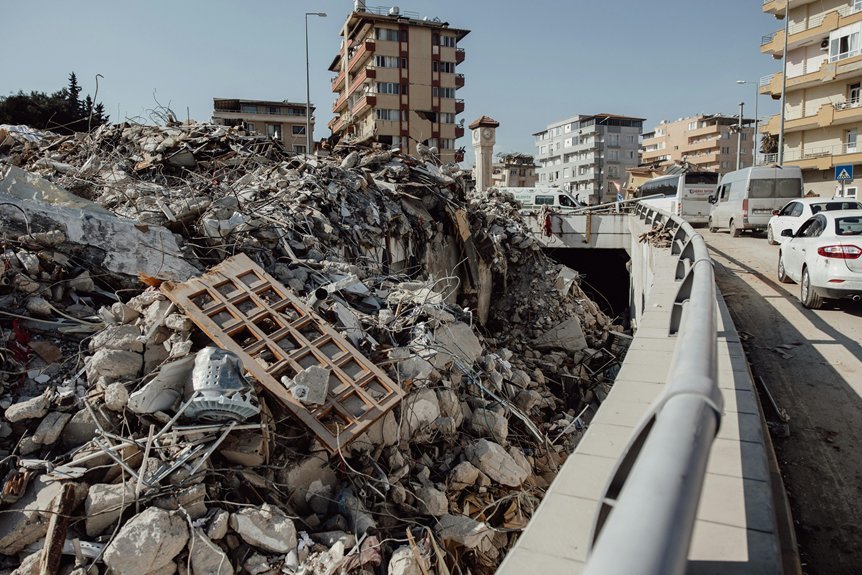
Demolition situations can be categorized as either emergencies or planned projects, each with distinct characteristics. Emergency demolitions typically arise from unforeseen events, necessitating immediate action to safeguard public safety. In contrast, planned demolitions involve careful planning and compliance with regulations, allowing for community engagement. Understanding these differences is essential, as the implications for safety, legalities, and community impact vary greatly. What factors determine the categorization of a demolition, and how do they influence the outcomes for affected areas?
Understanding Emergency Demolition Situations
When unforeseen circumstances arise, emergency demolition becomes a vital response to guarantee public safety and mitigate further hazards. Such situations typically involve structures that have suffered significant damage due to natural disasters, accidents, or neglect, posing immediate risks to nearby individuals and properties. In these cases, a rapid emergency response is essential, necessitating a thorough structural assessment to determine the integrity of the building and the extent of the damage.
Qualified professionals evaluate the risks associated with the compromised structure, prioritizing the safety of responders and the public. Emergency demolition is strategically implemented when repairs are impractical or unsafe, leading to the removal of unstable elements or entire structures. This process is not only a solution to immediate dangers but also a step towards preventing further incidents that could arise from continued structural failure. Understanding these dynamics is significant for effective risk management in emergency situations.
Characteristics of Planned Demolition Projects
Planned demolition projects are characterized by a systematic approach that prioritizes safety, efficiency, and environmental considerations. These projects typically involve extensive project timelines, allowing for thorough planning and coordination among various stakeholders. The development of detailed schedules guarantees that each phase of demolition is executed in a timely manner, minimizing disruption and optimizing resource allocation.
Risk assessments play an essential role in planned demolitions. They identify potential hazards associated with the demolition process and inform the implementation of safety protocols. By evaluating structural integrity and surrounding environments, these assessments help mitigate risks to workers, nearby structures, and the public.
Furthermore, planned demolitions often include environmental evaluations to assess the impact on local ecosystems. This level of planning not only enhances safety but also fosters community trust and compliance with industry standards. Ultimately, the strategic organization of planned demolition projects contributes to successful outcomes and sustainable practices.
Legal and Regulatory Considerations
Although legal and regulatory considerations may vary markedly across jurisdictions, they play an essential role in both planned and emergency demolition projects. The permitting processes are often rigorous, requiring detailed applications that outline the scope of work, environmental impact assessments, and safety protocols. These processes guarantee compliance with local laws and help mitigate potential liability issues for contractors and property owners.
In emergency situations, while some regulations may be expedited to address urgent safety concerns, adherence to certain legal frameworks remains critical. Failure to comply can result in significant liability issues, including fines or lawsuits arising from property damage or personal injury. Understanding the legal landscape is important for stakeholders to navigate the complexities of both demolition types effectively. Therefore, proactive engagement with regulatory bodies and thorough documentation are strategic imperatives in minimizing risks associated with demolition activities.
Safety Protocols in Demolition Practices
Safety protocols in demolition practices are paramount to guaranteeing the well-being of workers, surrounding communities, and the environment. A detailed risk assessment is essential prior to commencing any demolition project, allowing for the identification of potential hazards, including structural weaknesses and environmental concerns. This assessment informs the selection of appropriate safety equipment, such as hard hats, respirators, and harnesses, which are critical for minimizing injury risks.
Moreover, establishing clear operational procedures enhances safety outcomes. These procedures encompass site preparation, controlled demolition techniques, and emergency response plans. Regular safety training for workers guarantees they are well-versed in the protocols and equipped to handle unexpected situations. Additionally, effective communication among team members promotes a culture of safety, enabling quick identification and resolution of potential issues. Ultimately, robust safety protocols, underpinned by thorough risk assessments and proper safety equipment, form the foundation of effective and responsible demolition practices.
Impact on Communities and Property Owners
The impact of demolition activities on communities and property owners can be significant and multifaceted. Planned demolitions may lead to enhanced community resilience by paving the way for new development, while unplanned demolitions often create instability. These actions can influence property values, either positively or negatively, depending on community perceptions and future growth potential.
| Impact Type | Planned Demolition | Emergency Demolition |
|---|---|---|
| Community Resilience | Encourages development | Reduces stability |
| Property Values | Potential increase | Potential decrease |
| Community Reaction | Generally positive | Often negative |
Ultimately, the balance between necessary demolition and the preservation of community integrity remains critical. Understanding these dynamics aids in strategic planning, ensuring that both community interests and property values are safeguarded amidst demolition activities.
Conclusion
In analyzing the distinctions between emergency and planned demolitions, it becomes evident that each serves a unique purpose in addressing structural integrity and public safety. Emergency demolitions, spurred by unforeseen circumstances, necessitate swift action to mitigate risk, while planned demolitions enable strategic community development. Understanding these differences underscores the importance of appropriate responses to varying situations, ultimately fostering a safer and more resilient environment for communities and property owners alike. This analytical approach reveals the complexity behind demolition decisions.