
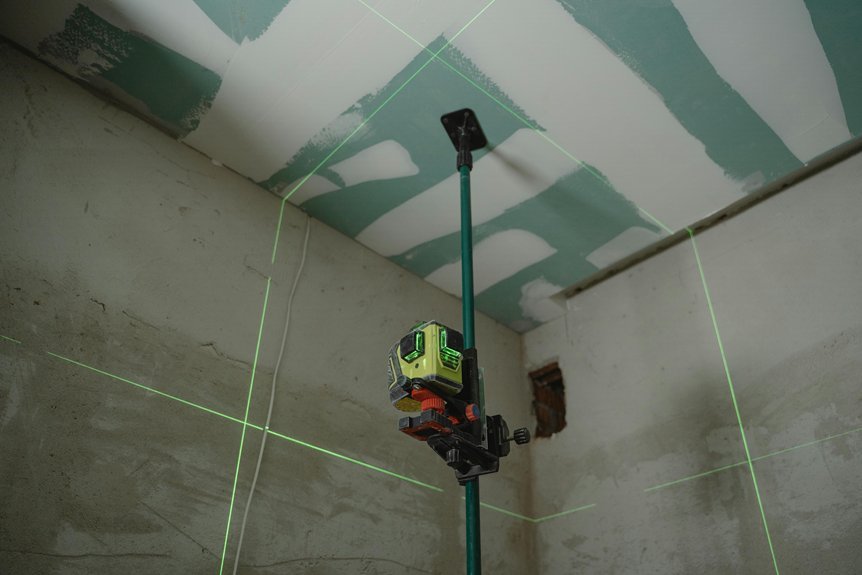
Interior soft-strip and full gut-out renovations represent two distinct methodologies in space revitalization. Soft-stripping emphasizes the removal of non-structural elements, streamlining the renovation process. In contrast, full gut-outs involve a complete demolition of all interior components. Each method presents unique advantages and challenges, influencing timelines and costs markedly. Understanding these differences is essential for making informed decisions regarding project execution and design objectives. The implications of each choice warrant further examination.
Understanding Interior Soft-Strip Renovation
While many property owners consider extensive renovations, understanding the process of interior soft-strip renovation offers a more selective approach. This method focuses on the careful removal of non-structural elements, effectively revitalizing the space without the extensive disruption associated with a full gut-out. Interior soft-strip renovations align with current renovation trends prioritizing sustainability and minimalism, allowing for the retention of existing infrastructure while enhancing aesthetic appeal.
Key components of this process include the removal of fixtures, finishes, and partitions, which prepares the space for new interior design elements. By selectively stripping away outdated features, property owners can reduce waste and costs while still achieving a modern look. This strategy not only minimizes the project timeline but also facilitates targeted upgrades, ensuring that renovations meet both functional and stylistic needs. Ultimately, interior soft-strip renovation presents an efficient alternative for those seeking impactful changes without complete overhaul.
Key Features of Interior Soft-Strip
Interior soft-strip renovations incorporate several key features that distinguish them from more invasive renovation methods. These features include the use of soft strip techniques, which allow for the careful removal of non-structural elements while preserving the building’s core integrity. This approach minimizes disruption and can often be completed more quickly than full gut-outs.
| Feature | Description |
|---|---|
| Minimal Disruption | Retains structural components, leading to less noise and debris. |
| Cost-Effectiveness | Generally requires fewer resources and labor hours. |
| Preservation of Assets | Existing fixtures may be restored or reused. |
| Environmental Impact | Reduces waste through selective material removal. |
| Flexibility | Allows for phased renovations without complete shutdown. |
These renovation benefits make interior soft-strip an appealing choice for many property owners seeking efficiency and sustainability in their projects.
Advantages of Interior Soft-Strip
By employing interior soft-strip techniques, property owners can realize numerous advantages that enhance both the efficiency and sustainability of renovation projects. One of the primary soft strip benefits is the reduction of waste generated during the demolition process. Unlike full gut-outs, soft-stripping allows for the selective removal of non-structural elements, which minimizes landfill contributions and promotes recycling. Additionally, this method often results in shorter project timelines, thereby increasing renovation efficiency. Property owners can expect faster completion of interior spaces, reducing downtime and associated costs. Moreover, soft-stripping requires less heavy machinery, which decreases noise and disruption in surrounding areas. This approach also allows for the preservation of existing structural components, leading to potential cost savings on materials and labor. Ultimately, the strategic application of interior soft-strip techniques can greatly enhance both the ecological footprint and economic viability of renovation projects.
Disadvantages of Interior Soft-Strip
Although interior soft-strip techniques offer several advantages, they are not without their drawbacks. One significant issue lies in the soft strip limitations, which can impact the overall effectiveness of the renovation. While this method preserves structural elements, it may leave behind outdated systems that require further updates. This can lead to unexpected renovation challenges, including the need for additional demolition work later in the project.
| Disadvantages | Implications | Emotional Impact |
|---|---|---|
| Incomplete removal | Potential for future issues | Frustration |
| Limited scope | Higher costs over time | Anxiety |
| Time-consuming processes | Delays in project completion | Disappointment |
These factors can complicate the renovation process, making it essential for property owners to weigh the pros and cons carefully before choosing the interior soft-strip approach.
What Is a Full Gut-Out Renovation?
A full gut-out renovation involves the complete removal of interior elements down to the structural framework of a building. This all-encompassing approach targets all non-structural components, including walls, ceilings, flooring, and fixtures, enabling a fresh start for the space. The full gut-out process typically begins with a detailed assessment of the existing structure, followed by systematic demolition and removal of materials.
Once the space is cleared, contractors can address underlying issues such as plumbing, electrical systems, and insulation, which are often outdated or non-compliant with current codes. This thorough method allows for a more flexible design and modern upgrades.
The renovation timeline for a full gut-out can vary considerably, depending on the project’s scope, size, and complexity. However, it generally requires more time than less invasive methods, such as interior soft-stripping, due to the extensive work involved in rebuilding and finishing the space.
Key Features of Full Gut-Out
Full gut-out renovations are characterized by several key features that differentiate them from less extensive remodeling approaches. One primary aspect is the complete removal of all interior components, including drywall, flooring, and fixtures, allowing for a fresh start. This process involves the careful gutting of materials, guaranteeing that only the structural framework remains intact. Additionally, full gut-outs provide an opportunity to upgrade electrical systems, plumbing, and HVAC, which can be integrated into modern renovation techniques.
Another notable feature is the thorough assessment of the underlying structure, identifying potential issues such as mold or rot that may not be visible during partial renovations. This detailed approach guarantees compliance with current building codes and enhances overall safety. Moreover, full gut-outs facilitate design flexibility, enabling homeowners to reconfigure spaces according to their preferences and lifestyle needs, ultimately leading to a more functional and aesthetically pleasing environment.
Advantages of Full Gut-Out
The advantages of a full gut-out renovation are numerous, particularly in enhancing the integrity and functionality of a home. One significant benefit is the opportunity to address hidden issues, such as outdated electrical systems or plumbing problems, ensuring a safer and more reliable living environment. Additionally, a complete gut-out allows for the reconfiguration of space, optimizing layout and improving flow, which directly contributes to renovation efficiency. Homeowners can also select modern materials and finishes that enhance energy efficiency and sustainability. This all-encompassing approach provides a blank canvas, allowing for custom design tailored to personal preferences and lifestyle needs. Moreover, full gut-out benefits include increased property value, as a thoroughly renovated home typically appeals more to potential buyers. By investing in a full gut-out, homeowners can achieve a more cohesive, functional, and aesthetically pleasing living space that meets contemporary standards.
Disadvantages of Full Gut-Out
Numerous disadvantages accompany a full gut-out renovation, primarily centered around cost and time commitment. The extensive nature of this approach requires significant financial investment, often exceeding initial estimates. Furthermore, the timeline for completion can be prolonged due to the complexities involved in removing all existing materials.
Disruption management is another critical aspect to take into account, as full gut-outs can severely impact the surrounding environment and adjacent spaces. This disruption can lead to a loss of productivity, particularly in commercial settings, where continuous operations are essential.
Additionally, material disposal presents challenges; the removal of large quantities of waste necessitates careful planning and may incur additional costs. Proper disposal methods must comply with environmental regulations, further complicating the process. Ultimately, these factors contribute to making full gut-out renovations less favorable for many property owners, who may seek more efficient alternatives.
Cost Comparison: Soft-Strip vs. Gut-Out
Cost comparisons between interior soft-stripping and full gut-outs reveal significant differences in financial implications. Soft-stripping typically incurs lower cost factors due to reduced labor and disposal expenses, as it involves the selective removal of non-structural elements. This method allows for a more manageable renovation budget, especially in projects where existing structures are retained.
In contrast, full gut-outs demand substantial investment. The process requires extensive labor, complete demolition, and often higher disposal fees due to the volume of materials removed. Additionally, gut-outs may lead to unforeseen expenses, as hidden structural issues can surface during demolition.
Timeframe Considerations for Each Method
When evaluating timeframe considerations, the project duration for interior soft-stripping typically requires less time compared to a full gut-out. Scheduling challenges may arise due to the complexity and extent of demolition involved in gutting, which can lead to delays. Understanding these differences is essential for effective project planning and resource allocation.
Project Duration Comparison
Although both interior soft-strip and full gut-out methods serve the purpose of preparing a space for renovation, they differ considerably in project duration. Understanding project timelines is essential, as each method impacts the renovation phases distinctly:
- Interior Soft-Strip: Typically requires 1-3 weeks, depending on the complexity.
- Full Gut-Out: Often extends to 4-8 weeks due to thorough demolition and disposal tasks.
- Preparation Time: Soft-stripping usually demands less lead time, facilitating quicker access to subsequent phases.
- Site Cleanup: Full gut-outs necessitate extensive cleanup, prolonging the overall timeline.
Choosing between these methods involves weighing the urgency of completion against the extent of work required, thereby influencing the final project duration.
Scheduling Challenges Identified
Scheduling challenges arise distinctly between interior soft-strip and full gut-out methods, influencing project management and timeline expectations. The interior soft-strip approach typically allows for a more flexible schedule due to its less invasive nature, often enabling concurrent work phases and minimizing scheduling conflicts with other trades. Conversely, the full gut-out method demands a more linear project timeline, as it requires complete demolition before any subsequent work can begin. This can lead to potential delays if unforeseen issues arise during the gutting process. Additionally, project timelines for gut-outs are often extended due to the need for extensive inspections and permits. Understanding these differences is vital for project managers to allocate resources effectively and meet deadlines while mitigating scheduling conflicts.
Impact on Structural Integrity
While both interior soft-stripping and full gut-outs serve the purpose of renovating spaces, their impacts on structural integrity vary considerably. Understanding these differences is essential for ensuring renovation safety and maintaining structural resilience.
- Interior Soft-Strip: This method typically preserves important structural elements, minimizing the risk of destabilization.
- Full Gut-Out: This approach often involves removing all interior finishes, which can expose and potentially compromise structural components.
- Load-Bearing Walls: Soft-stripping usually avoids alterations to these key elements, whereas gut-outs may necessitate reinforcements post-renovation.
- Material Assessment: Soft-stripping allows for the evaluation of existing structures without extensive demolition, aiding in informed decision-making about integrity.
Each method has its own implications on the building’s structural robustness, making it critical for project managers and clients to assess the best fit for their specific renovation goals.
Choosing the Right Approach for Your Project
Selecting the appropriate renovation method hinges on various factors, including the project’s scope, budget, and desired outcomes. Interior design aspirations play a vital role in this decision-making process. For projects emphasizing aesthetic upgrades and minor functional alterations, the interior soft-strip method may suffice, allowing for an efficient transformation while preserving existing structures. Conversely, a full gut-out is better suited for extensive renovations that necessitate significant alterations to layout or systems, ensuring compliance with contemporary renovation trends.
Budget constraints also influence the choice; soft-stripping typically incurs lower costs and shorter timelines. However, if the goal is to achieve an all-encompassing overhaul, the investment in a full gut-out can result in long-term value and enhanced functionality. Ultimately, the decision should align with both the immediate needs and future vision of the space, reflecting a balanced approach to interior design and renovation objectives.
Real-Life Examples of Each Method
Real-world applications of interior soft-strip and full gut-out methods illustrate their distinct advantages in various renovation scenarios. Each approach can be seen in practical projects that showcase their effectiveness.
- Soft Strip Examples:
- A downtown office renovation involved removing outdated carpeting and ceiling tiles while preserving structural elements, enabling a quick turnaround.
- A boutique hotel facelift utilized soft stripping to modernize guest rooms, keeping original fixtures for a vintage appeal.
- Gut Out Examples:
- A historical building restoration required a full gut-out to replace deteriorated plumbing and electrical systems, ensuring safety and compliance with modern codes.
- A residential remodel involved a complete gut-out to create an open floor plan, allowing for ideal space utilization and contemporary design.
These examples highlight how each method can be strategically applied based on project goals and requirements.
Conclusion
In conclusion, the choice between interior soft-strip and full gut-out renovations resembles selecting between a gentle tune-up and a complete engine overhaul. Each method presents unique advantages and challenges, influencing project timelines, costs, and outcomes. By carefully evaluating project scope, budget, and structural needs, property owners can determine the most effective approach to revitalize their spaces, ensuring that the selected renovation aligns with their vision and aspirations for the property.