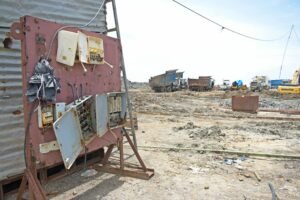

Filing an insurance claim for fire-damaged demolition requires a systematic approach. Understanding the nuances of one’s insurance policy is essential before proceeding. Next, documenting the extent of the damage can greatly influence the claim’s outcome. The interaction with the insurance company is pivotal. Each step in this process affects the overall recovery and rebuilding efforts. What follows is a detailed examination of these important phases to guarantee a successful claim submission.
Understand Your Insurance Policy Coverage
Understanding the nuances of an insurance policy is essential for homeowners facing fire damage. A thorough examination of the policy can reveal critical factors determining financial recovery. Homeowners must pay close attention to policy exclusions, as these clauses outline situations or damages that are not covered. For instance, certain types of fire damage may be excluded based on the circumstances surrounding the incident, such as negligence or failure to maintain safety equipment.
Additionally, understanding coverage limits is crucial, as these caps dictate the maximum amount an insurer will pay for claims. Homeowners should assess whether their policy adequately covers the cost of rebuilding or repairing their property, taking into account current market rates. An informed understanding of both exclusions and limits can greatly impact the claims process and the homeowner’s financial outlook after experiencing fire damage.
Document the Fire Damage
Documenting fire damage is an essential step in the claims process, requiring a systematic approach to guarantee all aspects are captured. This includes taking detailed photographs of the affected areas, compiling an all-encompassing inventory of damaged items, and gathering repair estimates from qualified professionals. Each of these elements plays a significant role in substantiating the claim and facilitating a smoother resolution with the insurance provider.
Take Detailed Photographs
Capturing detailed photographs of fire damage serves as an important step in the insurance claims process. These images provide vital photographic evidence of the fire scene, documenting the extent and nature of the destruction. To guarantee thorough coverage, it is important to follow systematic approaches when taking photographs.
| Photo Type | Description |
|---|---|
| Wide Angle Shots | Capture entire fire scene |
| Close-ups | Focus on specific damage areas |
| Structural Damage | Show affected building integrity |
| Personal Items | Document damaged personal belongings |
| Surrounding Area | Illustrate environmental impact |
Compile Damage Inventory
After taking detailed photographs of the fire damage, the next step involves compiling a thorough damage inventory. This process is essential for an accurate damage assessment, as it provides the insurance company with documented proof of losses. An effective inventory checklist should include:
- Structural Damage: Note any compromised walls, roofs, or foundations.
- Personal Property: List all damaged items, including furniture, electronics, and clothing.
- Additional Losses: Document any other relevant damages, such as landscaping or external structures.
Each entry in the checklist should be accompanied by photos for reference. This meticulous documentation will aid in the claims process, ensuring that all losses are accounted for and facilitating a smoother interaction with the insurance provider.
Gather Repair Estimates
Gathering repair estimates is a critical step in the insurance claims process following fire damage. Accurate estimates provide a clear understanding of repair costs, allowing for effective negotiation with the insurance company. Homeowners should solicit multiple quotes from licensed contractors to guarantee a competitive assessment of expenses. This process not only aids in determining the overall financial impact but also facilitates informed contractor selection, ensuring that chosen professionals possess the necessary expertise for the specific repairs needed. It is advisable to request detailed breakdowns of labor and material costs, as this transparency can strengthen the claim. By compiling thorough repair estimates, the policyholder enhances their position when advocating for fair compensation from their insurance provider.
Contact Your Insurance Company
Initiating contact with the insurance company is a critical step in filing a claim for fire damage. Proper communication with insurance representatives can streamline the claims process and guarantee that all necessary steps are followed. To facilitate this interaction, the following actions are recommended:
- Prepare Relevant Documentation: Gather all necessary paperwork, including the fire report and repair estimates, to provide a thorough overview when discussing the claim.
- Identify Your Policy Details: Have your policy number and details readily available to assist the insurance representatives in retrieving your information efficiently.
- Clarify Your Needs: Clearly outline your expectations and any questions regarding coverage, timelines, and the next steps in the claims process.
Submit Your Claim
Submitting a claim for fire damage requires careful preparation of necessary documentation, which serves as evidence to support the claim. It is vital to compile relevant documents, such as photographs of the damage, a detailed inventory of lost items, and any repair estimates. Following this, contacting the insurance agent will facilitate the submission process and guarantee all required information is accurately conveyed.
Gather Necessary Documentation
Collecting the necessary documentation is a critical step in the insurance claim process for fire damage. Proper insurance documentation is essential to support the claim and facilitate a smoother evaluation by the insurance provider. The following items should be meticulously gathered:
- Proof of Ownership: Receipts, titles, or photos of the property and belongings affected.
- Damage Assessment: Detailed reports from fire inspectors or contractors outlining the extent of the damage.
- Insurance Policy Information: Documentation that includes policy numbers, coverage details, and any previous claims.
Ensuring that all relevant documents are organized and accessible will not only expedite the claim process but also enhance the likelihood of a favorable outcome.
Contact Your Insurance Agent
After gathering the necessary documentation, the next step involves reaching out to the insurance agent to formally submit the claim. Effective insurance communication is vital during this process, as it guarantees all pertinent information is conveyed clearly. The agent’s responsibilities include reviewing the submitted documents, explaining policy coverage, and guiding the claimant through the claims process. It is essential for the claimant to articulate the specifics of the fire damage thoroughly, providing any additional evidence as required. The agent may also request further information or clarification to facilitate a detailed assessment. Maintaining open lines of communication with the insurance agent can greatly enhance the efficiency of the claims process, ultimately leading to a more favorable resolution.
Prepare for the Insurance Adjuster
Preparing for the insurance adjuster involves gathering extensive documentation and evidence to support the claim. It is essential to review adjuster expectations to guarantee a smooth process. Being well-prepared can greatly influence the outcome of the claim.
To effectively prepare for the insurance adjuster, consider the following steps:
- Compile Documentation: Gather all relevant paperwork, including the insurance policy, photographs of the damage, and repair estimates.
- Create a Detailed Inventory: List all damaged items with their purchase dates and values to present a thorough account of losses.
- Prepare for Questions: Anticipate inquiries regarding the fire incident, damage extent, and prior maintenance records to demonstrate transparency.
Start the Demolition and Rebuilding Process
Initiating the demolition and rebuilding process is a critical step following the assessment of fire damage. Before any physical work begins, it is essential to secure the necessary demolition permits from local authorities. This step guarantees compliance with building codes and regulations, preventing potential legal complications. Once permits are obtained, the demolition phase can commence, focusing on safely removing the damaged structures while preserving any salvageable materials.
Simultaneously, a detailed rebuilding timeline should be established. This timeline serves as a blueprint for the reconstruction, outlining key milestones, contractor schedules, and expected completion dates. Effective communication with contractors and insurance adjusters during this phase is crucial to address any unforeseen challenges that may arise. Overall, a methodical approach to demolition and rebuilding not only facilitates a smoother shift but also enhances the likelihood of a successful recovery from fire damage.
Conclusion
In summary, maneuvering through the complexities of filing an insurance claim for fire-damaged demolition requires meticulous preparation and clear communication with the insurance provider. As property owners confront the aftermath of such devastating events, one must consider: how can thorough documentation and proactive engagement with insurance adjusters greatly expedite the recovery process? By adhering to these structured steps, individuals can enhance their chances of a successful claim and facilitate a smoother shift to the rebuilding phase.