When a neighbor’s property sustains damage during a demolition project, several factors come into play. Liability may rest with the demolition crew or the property owner, depending on circumstances. Understanding the nuances of legal responsibilities and insurance coverage is essential. Prompt documentation and clear communication can mitigate potential disputes. Exploring the steps to take in such situations can provide clarity on traversing this complex issue. What are the best practices for resolution?
Understanding Liability in Demolition Projects
When a demolition project is undertaken, understanding liability becomes essential, as unforeseen incidents can lead to property damage. A thorough liability assessment is critical prior to commencing any demolition activities. This assessment evaluates potential risks and outlines responsibilities, ensuring that all parties are aware of their obligations under the law. Familiarity with local demolition regulations is paramount; these regulations often dictate the standards for safety and risk management during demolition work. Non-compliance with these regulations can result in legal repercussions, including financial penalties and claims for damages. It is imperative for contractors to implement adequate safety measures and obtain necessary permits to mitigate liability. Additionally, communication with neighboring property owners can help address concerns and establish a cooperative approach, reducing tensions and potential disputes. Understanding these elements provides a framework for managing liability effectively throughout the demolition project lifecycle.
Types of Property Damage Commonly Encountered
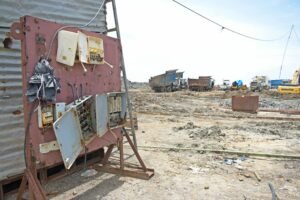
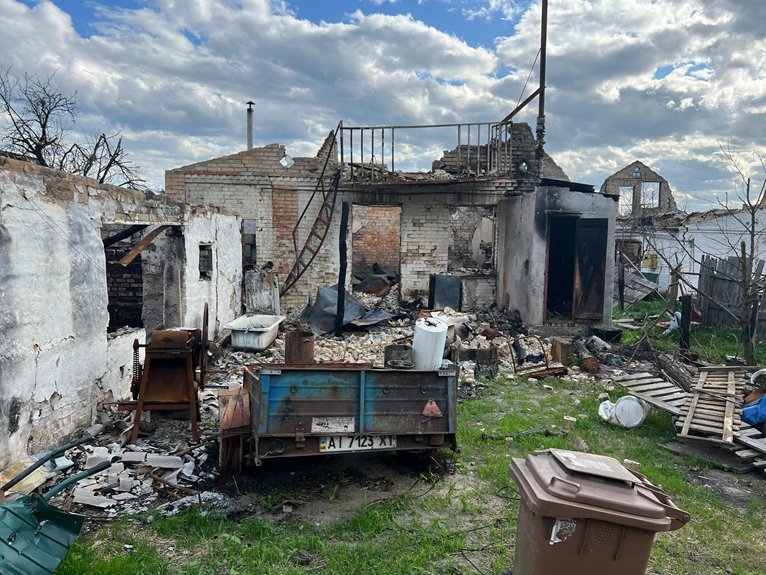
Property damage during demolition projects can manifest in various forms, often resulting from the inherent risks associated with the process. One common type involves the compromise of neighboring structures’ structural integrity due to vibrations and shockwaves generated by heavy machinery. Such impacts can lead to cracks in walls, foundation issues, or even partial collapses. Additionally, demolition debris may inadvertently encroach upon adjacent properties, causing physical damage to fences, landscaping, or vehicles. Another frequent concern is water damage, which can arise from disrupted drainage systems or unforeseen leaks during the demolition. Moreover, airborne dust and particulates can affect nearby properties, leading to potential health hazards or aesthetic issues. Effective risk management practices are essential in mitigating these types of damage, ensuring the safety and preservation of neighboring properties throughout the demolition process. Understanding these potential damages allows property owners to prepare and respond adequately.
Legal Responsibilities of the Demolition Crew
The legal responsibilities of the demolition crew are critical in mitigating neighbor’s property damage during demolition projects. These responsibilities encompass a duty of care to guarantee safety, adherence to insurance coverage requirements, and potential liability for any damages incurred. Understanding these aspects is essential for both the demolition crew and affected property owners.
Duty of Care
A demolition crew has a fundamental duty of care to guarantee that their activities do not cause harm to neighboring properties. This responsibility encompasses the implementation of rigorous safety protocols designed to minimize risks associated with demolition activities. Failure to adhere to these safety measures may result in negligence claims from affected property owners. It is essential for demolition crews to assess the potential impact of their work on adjacent structures and to take proactive steps to mitigate any hazards. Regular training and strict compliance with industry regulations further bolster the crew’s commitment to safeguarding surrounding properties. Ultimately, maintaining a high standard of care not only protects neighboring properties but also reinforces the crew’s professional reputation within the industry.
Insurance Coverage Requirements
While engaging in demolition activities, crews must secure appropriate insurance coverage to mitigate financial liabilities arising from potential property damage. An adequate insurance policy is essential, as it provides financial protection against claims related to damages that may occur during the demolition process. Coverage limits should be carefully evaluated to guarantee they are sufficient to address potential risks, including damage to neighboring properties. Demolition crews are typically required to carry general liability insurance, which covers bodily injury and property damage. In addition, it is advisable for crews to review local regulations and contractual obligations, as these may dictate specific insurance requirements that must be fulfilled prior to commencing work. Securing proper insurance coverage is a fundamental aspect of responsible demolition practices.
Liability for Damages
Demolition crews bear significant legal responsibilities for any damages incurred during their operations. When conducting demolition work, it is essential for crews to adhere to established safety protocols and respect property boundaries to mitigate risks. If a neighboring property sustains damage, affected owners may file negligence claims against the demolition team. Such claims can arise from inadequate planning, failure to secure the site, or improper execution of demolition techniques. Liability can extend to both the demolition company and individual workers, depending on the circumstances. Proper insurance coverage and adherence to local regulations are critical in defending against claims and ensuring financial protection. Ultimately, understanding these legal responsibilities is important for minimizing potential disputes during demolition projects.
Insurance Coverage for Property Damage
How can property owners verify that they are protected against damages during demolition activities? Securing an adequate insurance policy is vital. Property owners should confirm that their policy includes specific coverage for damages resulting from demolition work. This coverage typically protects against accidental property damage that may affect neighboring structures.
Moreover, understanding the coverage limits is significant. Owners must assess whether their policy provides sufficient financial protection to cover potential damages, which may arise from unforeseen incidents during demolition. It is advisable to consult with an insurance professional to identify any gaps in coverage and to evaluate additional endorsements that may be necessary.
Additionally, contractors often carry their own liability insurance, which can further mitigate risks. However, property owners should verify that the contractor’s policy adequately covers potential damage to adjacent properties. This proactive approach guarantees that financial responsibilities are appropriately managed during demolition activities.
Steps to Take if Damage Occurs
When property damage occurs during demolition, immediate action is essential. The affected party should first document the damage with photographs and written descriptions, then notify the neighbor responsible for the demolition. Finally, contacting the insurance provider guarantees that all necessary steps are taken to address the situation effectively.
Document the Damage
Damage to a neighboring property during demolition can have significant implications for both parties involved. To protect their interests, it is vital for the affected party to document the damage meticulously. This process should begin with the collection of photographic evidence, capturing clear images of the impacted areas, including any structural issues or debris. Each photograph should be dated and labeled to establish a timeline. Additionally, detailed reports outlining the nature and extent of the damage should be created, including descriptions and potential impacts on property value or safety. This documentation will be essential for any potential claims or disputes arising from the incident, providing a factual basis for discussions or legal actions that may follow.
Notify the Neighbor
Promptly notifying the neighbor of any property damage during demolition is essential to maintaining transparency and fostering goodwill. Effective neighbor communication can mitigate misunderstandings and foster a cooperative relationship. The property owner should inform the neighbor about the damage immediately, providing details about the incident, including the extent of the damage and how it occurred. This communication should also clarify property boundaries to avoid disputes regarding responsibility. It is advisable to document the conversation and any agreements made for future reference. By addressing the issue proactively, the property owner not only demonstrates accountability but also lays the groundwork for resolving any potential claims amicably. Timely notification is a critical step in preserving neighborly relations during construction activities.
Contact Insurance Provider
Following the notification of the neighbor about property damage, the next step involves contacting the insurance provider. The affected party must promptly report the incident to initiate insurance claims. This process is critical to guarantee that any potential losses are documented and evaluated appropriately. The property owner should provide detailed information regarding the damage, including photographs and estimates for repairs. Additionally, they must review their policy coverage to understand what is included in their insurance plan, as not all damages may be covered. The insurance provider will guide the owner through the claims process, evaluating liability and determining compensation based on the policy terms. Timely communication with the insurer can facilitate a smoother resolution to the situation.
Communicating With Neighbors: Best Practices
Effective communication with neighbors is essential when conducting demolition activities, as it fosters a collaborative environment and mitigates potential conflicts. Establishing clear channels of communication can greatly enhance neighbor relations. Prior to demolition, project managers should inform neighbors about the scope, timeline, and potential impacts of the work. This proactive approach allows for addressing concerns before they escalate.
Regular updates throughout the demolition process are also critical. Informing neighbors of any changes in plans or schedules demonstrates respect and keeps them engaged. It is advisable to hold a community meeting or distribute written notices to facilitate dialogue and gather feedback.
Additionally, providing contact information for project coordinators encourages neighbors to voice concerns directly. Implementing these best practices in communication not only enhances neighbor relations but can also lead to smoother operations and reduce the likelihood of disputes arising from misunderstandings during demolition activities.
Documenting Damage for Insurance Claims
When damage occurs to a neighbor’s property during demolition, thorough documentation becomes essential for facilitating insurance claims. A detailed damage assessment must include detailed photographic evidence and written descriptions to substantiate claims.
| Damage Type | Documentation Required |
|---|---|
| Physical Damage | Photos, written descriptions |
| Structural Issues | Engineer’s report, photos |
| Landscaping Damage | Before-and-after photos |
| Miscellaneous Damage | Itemized list, photos |
Accurate documentation not only aids in the claims process but also supports effective communication with insurance adjusters. It is critical to capture images from various angles and distances to provide a full context of the damage. All documentation should be organized chronologically to promote clarity in the claims process. By adhering to these practices, property owners can enhance their chances of a successful resolution to their insurance claims.
Potential Disputes and How to Resolve Them
Disputes may arise between property owners and contractors during demolition projects, particularly concerning the extent of damage and liability. Addressing these disputes effectively is essential for maintaining neighborhood relations and ensuring smooth project completion.
To resolve conflicts, consider the following steps:
- Open Communication: Initiate dialogue between the affected parties to discuss concerns and clarify misunderstandings.
- Documentation Review: Examine contracts, insurance policies, and any prior agreements to establish liability and responsibilities accurately.
- Mediation: If direct communication fails, consider engaging a neutral third party to facilitate discussions and propose solutions.
Preventative Measures to Avoid Damage During Demolition
Implementing robust preventative measures is essential to minimizing the risk of property damage during demolition projects. Conducting thorough risk assessments is a critical first step, allowing project managers to identify potential hazards and vulnerabilities associated with the demolition site and neighboring properties. Safety precautions must be established, including securing the perimeter with barriers to deter unauthorized access and shield adjacent structures from debris.
Utilizing advanced demolition techniques, such as controlled dismantling, can further mitigate risks. Employing specialized equipment and trained personnel enhances precision, reducing the chance of unintended collateral damage. Regular communication with neighbors about the demolition schedule and potential impacts fosters transparency and trust.
Additionally, securing appropriate insurance coverage can provide financial protection against unforeseen damages. By prioritizing these measures, demolition teams can effectively safeguard neighboring properties, ensuring the project proceeds efficiently while maintaining community relations.
Conclusion
To summarize, the complexities surrounding property damage during demolition necessitate a proactive approach to liability, documentation, and communication. The theory that thorough preparation can mitigate disputes is supported by evidence suggesting that clear agreements and detailed insurance reviews greatly reduce conflict. By adhering to established protocols and fostering transparent dialogue, both parties can navigate the aftermath of such incidents effectively, ensuring accountability and protecting neighborly relations while upholding legal and ethical responsibilities.