
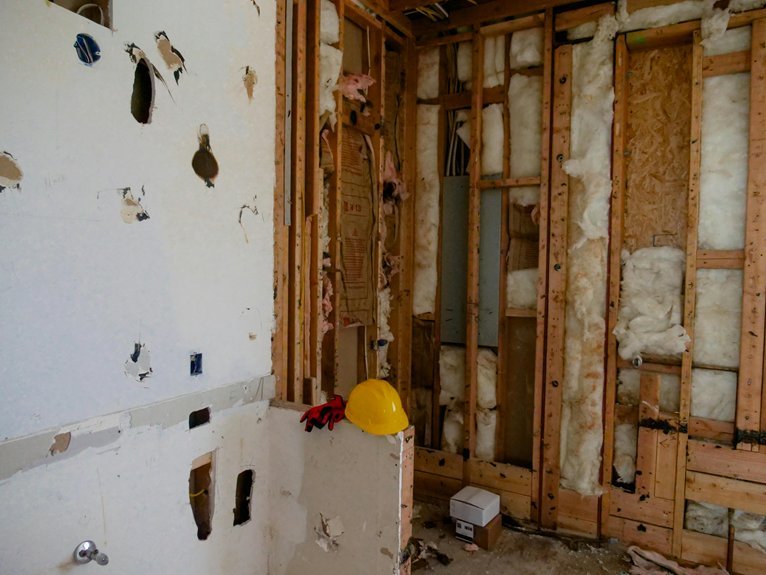
Choosing the right contractor is vital for the success of any construction project. A demolition contractor specializes in dismantling structures, while a general contractor oversees broader construction tasks. Understanding the specific requirements of your project will guide this decision. Key factors include the nature of the work, safety considerations, and project management needs. As the distinctions become clearer, it is essential to explore the nuances that will impact the overall outcome.
Understanding the Role of a Demolition Contractor
Demolition contractors play an essential role in the construction and renovation process by specializing in the safe and efficient dismantling of structures. They employ a variety of demolition techniques, including mechanical demolition, deconstruction, and implosion, each suited to specific project requirements. Understanding these techniques is critical, as they influence the safety, cost, and timeline of a project.
Contractor qualifications are paramount when selecting a demolition contractor. Professionals in this field must possess appropriate licenses, insurance, and certifications, guaranteeing compliance with local regulations and safety standards. A qualified contractor will also have extensive experience and training in handling hazardous materials, managing debris, and minimizing environmental impact.
Thus, when considering a demolition contractor, it is vital to evaluate their expertise in demolition techniques and verify their qualifications to guarantee a successful and safe dismantling process.
Understanding the Role of a General Contractor
A general contractor plays a pivotal role in construction projects, encompassing a range of project management responsibilities that guarantee timely and efficient execution. Their scope of services typically includes overseeing subcontractors, coordinating schedules, and managing budgets, which are critical for project success. Additionally, understanding the licensing and insurance requirements that govern general contractors is essential for compliance and safeguarding against potential liabilities.
Project Management Responsibilities
Project management serves as the backbone of any construction endeavor, ensuring that all aspects of a project align seamlessly. A general contractor is pivotal in this process, taking charge of project scheduling to maintain timelines and meet deadlines. This involves creating detailed timelines that chart the progression of work phases, allowing for the timely completion of tasks. Additionally, resource allocation is a critical responsibility; the general contractor must efficiently distribute labor, materials, and equipment throughout the project lifecycle. By effectively managing these elements, the general contractor not only facilitates smooth operations but also mitigates potential delays and cost overruns. This multifaceted role underscores the importance of skilled project management in achieving successful construction outcomes.
Scope of Services
Understanding the scope of services provided by a general contractor is essential for any construction project. General contractors coordinate all aspects of a build, ensuring that timelines and budgets are adhered to. Their qualifications often encompass a wide range of expertise, including knowledge of demolition techniques and the ability to manage subcontractors effectively.
Key services typically include:
- Thorough project planning and scheduling.
- Quality control and safety management throughout the construction process.
- Budget management and cost estimation.
Licensing and Insurance Requirements
Licensing and insurance are critical components in the construction industry, particularly when distinguishing between a demolition contractor and a general contractor. The licensing processes for these contractors often vary considerably, with general contractors typically requiring broader certifications that cover various construction activities, while demolition contractors may need specialized licenses to handle hazardous materials or comply with safety regulations. Insurance types also differ, as general contractors generally carry general liability, workers’ compensation, and builder’s risk insurance, providing extensive coverage for a wide range of risks. Conversely, demolition contractors may require specific insurance tailored to the unique hazards associated with demolition work. Understanding these licensing and insurance requirements is essential for ensuring compliance and protecting both the contractor and the client during construction projects.
Key Differences Between Demolition and General Contractors
Demolition and general contractors serve distinct roles within the construction industry, each specializing in different aspects of building projects. Demolition contractors primarily focus on safely removing structures, employing specialized demolition techniques that require specific expertise and training. Their contractor qualifications often include knowledge of controlled demolition, environmental regulations, and waste management.
In contrast, general contractors manage entire building projects, overseeing various trades and ensuring that construction adheres to timelines and budgets. They are responsible for coordinating multiple subcontractors and may not possess the specialized knowledge that demolition contractors have.
Key differences include:
- Scope of Work: Demolition contractors specialize in dismantling, while general contractors build and renovate.
- Technical Expertise: Demolition requires specific techniques and safety protocols.
- Project Management: General contractors orchestrate the overall construction process.
Understanding these distinctions is essential for selecting the appropriate contractor for a project’s unique requirements.
When to Hire a Demolition Contractor
Determining the appropriate time to hire a demolition contractor hinges on several factors, including the specific requirements of the project scope and the need for compliance with safety regulations. Additionally, specialized equipment may be necessary for certain demolition tasks, making a contractor with the right expertise vital. Understanding these elements guarantees that the demolition process is executed efficiently and safely.
Project Scope Requirements
When considering the complexities of a construction project, how does one identify the need for a specialized demolition contractor? Evaluating the project scope requirements is vital. A specialized contractor is essential when the project involves significant structural changes, requiring expertise in obtaining demolition permits and adhering to strict project timelines.
Key indicators include:
- Extensive demolition work that demands specialized equipment and techniques.
- Hazardous materials present, necessitating compliance with safety regulations.
- Tight deadlines, where a focused approach guarantees timely completion.
Recognizing these factors helps to guarantee that the right contractor is selected, ultimately leading to a smoother project flow and successful outcomes. Understanding the nuances of project scope can prevent costly delays and complications.
Safety and Compliance
The presence of safety regulations and compliance requirements is a crucial factor in deciding whether to hire a specialized demolition contractor. Demolition projects often involve hazardous materials, structural instability, and intricate safety protocols that general contractors may not be fully equipped to manage. Specialized demolition contractors possess the expertise necessary to navigate local and federal compliance standards, ensuring that all safety regulations are met throughout the project’s duration. They are trained in risk assessment and mitigation, which is essential for protecting both workers and the public. Additionally, these contractors typically have access to the latest safety equipment and training programs. As a result, engaging a demolition contractor with a strong focus on safety and compliance greatly reduces liability and enhances overall project integrity.
Specialized Equipment Needs
Specialized equipment plays a critical role in the demolition process, particularly when projects involve complex structures or hazardous materials. Hiring a demolition contractor becomes essential when the use of specialized tools and demolition machinery is necessary for effective and safe execution. This equipment is designed to handle specific challenges that general contractors may not be equipped to manage.
- Precision in dismantling intricate structures
- Safeguarding against environmental hazards
- Ensuring compliance with regulations
The deployment of advanced demolition machinery, such as excavators with specialized attachments, can greatly enhance efficiency and safety. Understanding when specialized equipment is needed underscores the importance of selecting a contractor who possesses both the skills and the necessary tools to tackle demanding demolition tasks effectively.
When to Hire a General Contractor
How can one determine the right moment to engage a general contractor? The decision hinges on various project timeline considerations and the complexity of the task. A general contractor can streamline operations, managing multiple subcontractors and ensuring compliance with local regulations.
The following table illustrates scenarios where hiring a general contractor is advantageous:
| Scenario | General Contractor Benefits |
|---|---|
| Major renovations | Thorough project management |
| Tight deadlines | Efficient scheduling and resource allocation |
| Complex permits required | Expertise in maneuvering legal requirements |
| Multiple trades involved | Coordination of specialized subcontractors |
Questions to Ask Potential Contractors
Engaging a general contractor can greatly enhance project execution, but selecting the right contractor requires careful consideration. Asking the right questions can reveal essential information about contractor qualifications and their ability to meet project timelines.
Potential clients should consider inquiring about:
- Experience with similar projects: Understanding past projects can indicate a contractor’s capability.
- Approach to project timelines: A clear outline of how they plan to adhere to schedules is vital.
- Safety protocols and compliance: Knowledge of safety measures can guarantee a secure work environment.
These questions not only clarify the contractor’s expertise but also help gauge their commitment to quality and reliability. By thoroughly vetting potential contractors, clients can make informed decisions that greatly affect the success of their project.
Evaluating Contractor Experience and Credentials
Evaluating a contractor’s experience and credentials is essential for ensuring a successful project outcome. To make informed decisions, clients should assess contractor qualifications and undertake experience verification. This process helps in gauging the contractor’s ability to handle specific project requirements effectively.
| Criteria | Importance |
|---|---|
| Licensing and Insurance | Validates legitimacy and protects against liability. |
| Project Portfolio | Demonstrates relevant experience and successful past projects. |
| Client References | Provides insights into reliability and quality of work. |
Through careful consideration of these factors, clients can determine whether a contractor possesses the necessary expertise and credentials. A thorough examination of experience not only assures competency but also enhances the likelihood of a smooth execution and completion of the project. Making informed choices in contractor selection is vital for achieving desired results.
Budgeting for Demolition Vs General Contracting
Budgeting for demolition and general contracting involves distinct considerations that can greatly impact overall project costs. Understanding the differences in financial obligations is vital for effective planning.
- Demolition costs often encompass equipment rental, waste disposal, and labor specific to deconstruction.
- Contractor fees for general contracting typically involve a broader scope, including project management, material procurement, and subcontractor coordination.
- Unexpected expenses can arise in both areas, making it essential to include contingencies in the budget.
Ensuring Safety and Compliance in Your Project
How can project managers guarantee that safety and compliance standards are met during demolition and general contracting? Affirming adherence to safety regulations and compliance standards is paramount in any construction endeavor. Project managers must engage contractors who are not only experienced but also well-versed in local, state, and federal safety protocols. This includes verifying that contractors maintain appropriate licenses, insurance, and certifications relevant to their work.
Regular safety audits and compliance checks should be integrated into the project timeline, promoting accountability and transparency. Additionally, project managers should facilitate ongoing training sessions for all personnel, emphasizing the importance of following safety regulations. Establishing clear communication channels allows for the timely reporting of safety concerns and compliance issues. By implementing these strategies, project managers can foster a culture of safety and affirm that all aspects of the project align with established compliance standards, ultimately safeguarding both workers and the surrounding environment.
Conclusion
In the intricate landscape of construction, choosing the right contractor is akin to selecting the right tool from a well-equipped toolbox. A demolition contractor wields precision like a sculptor’s chisel, expertly dismantling structures, while a general contractor orchestrates the symphony of construction, harmonizing diverse trades. By carefully evaluating the specific needs of a project, one can guarantee a seamless shift from vision to reality, paving the way for a safe and successful endeavor that stands the test of time.