
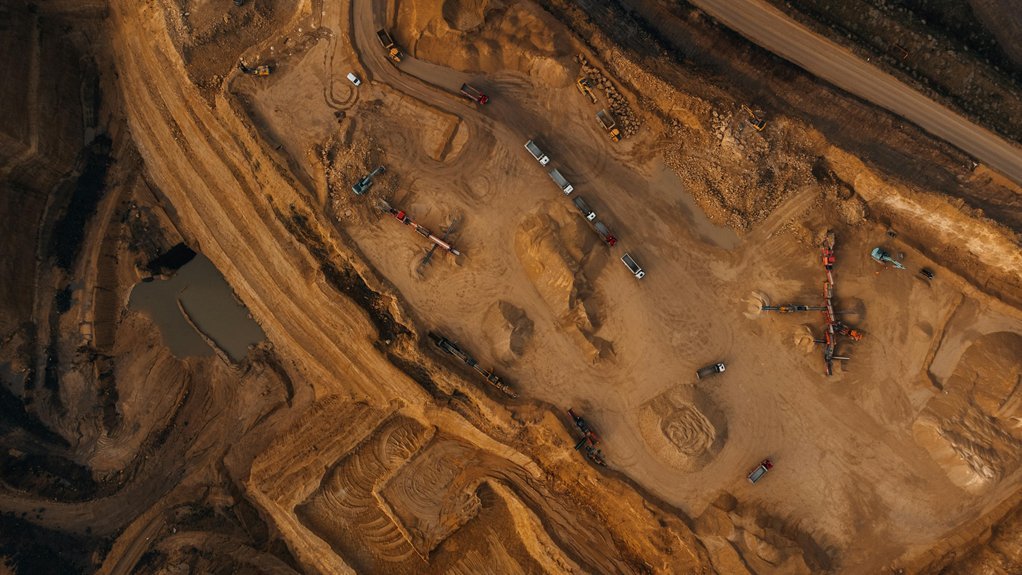
Post-demolition site preparation is a critical phase in construction. Grading is essential for establishing stability and effective drainage. Various techniques, including laser grading and soil compaction, can enhance site integrity. Additionally, implementing erosion control measures is crucial for environmental protection. Understanding the interplay between grading and erosion control provides insights into sustainable development practices. In this regard, examining these elements reveals important considerations for future projects.
Understanding the Importance of Post-Demolition Site Prep
Post-demolition site preparation is critical for guaranteeing a successful change from demolition to new construction. This process begins with a thorough site evaluation, which assesses the remaining conditions and potential hazards post-demolition. Accurate evaluation identifies sub-surface issues, contamination, or structural remnants that may hinder future development.
Following the evaluation, effective debris removal is essential. This phase not only involves the physical clearing of materials but also guarantees compliance with environmental regulations. Proper debris management mitigates risks associated with hazardous waste, ensuring a safe groundwork for construction.
Moreover, the significance of effective site prep cannot be overstated; it lays the foundation for subsequent construction activities. Neglecting these preparatory steps can lead to structural complications and increased costs in the long term. As a result, a meticulous approach to site evaluation and debris removal is paramount for a seamless change from demolition to new construction.
The Role of Grading in Site Preparation
Grading plays a critical role in site preparation by ensuring a level ground, which is essential for the stability and safety of future construction. Additionally, effective grading techniques facilitate ideal drainage, preventing water accumulation that could compromise the integrity of structures. Understanding these functions is crucial for achieving a well-prepared site that meets engineering and environmental standards.
Importance of Level Ground
Achieving level ground is essential in site preparation, as it directly influences the stability and integrity of future construction projects. Level ground benefits include enhanced structural support, which minimizes the risk of settling or shifting over time. This stability is vital for load-bearing components and overall architectural design integrity. Furthermore, level ground improves site usability by facilitating efficient construction practices and enabling the accurate placement of utilities and infrastructure. Uneven terrain can complicate machinery operations and increase labor costs. In addition, a well-graded site promotes safety, reducing hazards associated with uneven surfaces. Ultimately, ensuring a level foundation is a critical step in preparing a site for successful, long-lasting construction outcomes.
Drainage Optimization Techniques
Effective site preparation necessitates a strategic focus on drainage enhancement techniques, which are essential for preventing water accumulation and erosion. Proper grading plays a pivotal role in the implementation of effective drainage systems, channeling water away from structures and minimizing potential damage. Techniques such as contour grading and the creation of swales can enhance surface water management, directing runoff toward designated drainage areas. Additionally, integrating permeable materials and drainage basins can facilitate groundwater recharge while mitigating surface runoff. Regular maintenance of these systems guarantees peak performance, reducing the risk of flooding and erosion. Ultimately, meticulous attention to drainage optimization not only protects the site but also promotes long-term sustainability and stability within the constructed environment.
Techniques for Effective Grading
Establishing a level foundation is crucial for the success of any construction project, necessitating precise grading techniques. Effective grading methods play a critical role in achieving this objective. Techniques such as laser grading guarantee accuracy, enabling operators to maintain consistent slopes and eliminate low spots that could lead to water pooling. Additionally, the use of grading equipment, including bulldozers and graders, allows for efficient movement of soil while adhering to specified dimensions.
Soil compaction is equally important in the grading process. Compacted soil provides a stable base, reducing the risk of settling and structural failures in the future. To achieve ideal soil compaction, operators often utilize vibratory compactors or rollers, which enhance density and stability. By integrating these grading methods with effective soil compaction practices, construction teams can create a solid foundation that meets engineering standards and supports the longevity of the project.
Erosion Control: Protecting the Environment
Erosion control is critical in maintaining soil stability during the site preparation phase following demolition. Implementing effective techniques for erosion prevention not only safeguards the integrity of the remaining landscape but also protects the surrounding environment from potential degradation. Understanding these principles is essential for successful site management and compliance with environmental regulations.
Importance of Soil Stability
Although soil stability is often overlooked during site preparation after demolition, it plays a critical role in erosion control and environmental protection. Achieving ideal soil stability through effective soil compaction is essential, as it directly influences the foundation integrity of subsequent structures. Unstable soil can lead to increased erosion, compromising both the site and surrounding ecosystems. Proper compaction minimizes voids within the soil, enhancing its load-bearing capacity and reducing susceptibility to displacement by water or wind. Additionally, maintaining soil stability aids in preserving local flora and fauna by preventing sediment runoff into nearby water bodies. To conclude, ensuring soil stability is crucial for effective erosion control, safeguarding the environment, and establishing a solid foundation for future construction projects.
Techniques for Erosion Prevention
Implementing effective techniques for erosion prevention is essential during the site preparation phase post-demolition, as it directly influences environmental sustainability. Employing vegetative cover establishes a root system that stabilizes soil. Silt fences serve as barriers to sediment movement, while mulch application retains moisture and reduces runoff. Riprap installation protects vulnerable areas from water flow. Contour plowing aligns plow patterns with the land’s contours, minimizing soil displacement. Sediment traps capture runoff contaminants, and erosion mats provide immediate ground cover. Terracing techniques can be beneficial on slopes, reducing erosion potential, while soil amendment enhances soil structure. Finally, native planting promotes biodiversity and guarantees long-term stability, creating a resilient landscape that supports ecological balance.
Common Erosion Control Methods
Effective erosion control methods are imperative for maintaining soil stability and preventing sediment displacement after demolition activities. Among the most commonly employed techniques are silt fences, which act as barriers to trap sediment while allowing water to flow through. Sediment basins are also utilized to collect and store runoff, facilitating sediment settlement before discharge. Erosion blankets, composed of biodegradable materials, provide immediate ground cover to protect soil from raindrop impact and surface runoff. Establishing vegetative cover is essential for long-term stabilization, as it enhances soil strength and reduces erosion. Rock check dams are strategically placed within channels to slow water flow and promote sediment deposition. Additionally, geo textiles serve as reinforcing materials that improve soil structure and prevent erosion, making them effective in various applications. Collectively, these methods are imperative for mitigating the adverse effects of erosion in post-demolition sites.
The Relationship Between Grading and Erosion Control
Grading plays a crucial role in erosion control by shaping the land to manage water flow and minimize soil displacement. Effective grading techniques, such as contour grading and slope grading, are essential for creating a landscape that channels runoff and reduces the risk of erosion. By adjusting the terrain, these techniques facilitate ideal drainage patterns, directing water away from vulnerable areas and preventing concentrated flow that can erode the soil.
Moreover, proper grading allows for the establishment of vegetation, which serves as a natural barrier against erosion. The integration of grading with erosion mitigation strategies—such as the installation of silt fences or sediment basins—further enhances the site’s resilience. To conclude, the relationship between grading and erosion control is integral; effective grading not only shapes the land but also greatly contributes to the long-term stability of the site by reducing erosion risks and promoting environmental sustainability.
Best Practices for Sustainable Site Development
Sustainable site development encompasses a range of practices that prioritize environmental stewardship while facilitating construction and land use. Implementing best practices begins with the selection of sustainable materials, which are vital for reducing the environmental impact of construction projects. Utilizing recycled or locally sourced materials minimizes transportation emissions and encourages resource conservation.
Incorporating eco-friendly practices during site preparation is essential for maintaining ecological integrity. This includes strategies such as preserving existing vegetation, which enhances soil stability and supports local biodiversity. Moreover, employing erosion control measures, like sediment traps and silt fences, can mitigate adverse effects on surrounding ecosystems.
Integrating green infrastructure, such as permeable pavements and rain gardens, also promotes effective stormwater management while improving site aesthetics. By adhering to these best practices, developers can guarantee a balanced approach to site development that aligns economic objectives with ecological responsibility, ultimately fostering sustainability in the built environment.
Case Studies: Successful Post-Demolition Projects
Case studies of successful post-demolition projects provide valuable insights into the effective shift from demolition to site preparation, illustrating various approaches that enhance environmental and economic outcomes. For instance, a redevelopment project in an urban area highlighted the importance of addressing demolition challenges related to hazardous materials. By integrating thorough environmental assessments, the project not only met regulatory requirements but also mitigated potential liabilities, thereby streamlining project timelines.
Another case involved a community revitalization effort where the reuse of materials from the demolished structures notably reduced waste and construction costs. This approach demonstrated the feasibility of sustainable practices while adhering to strict project timelines. In addition, effective erosion control measures implemented during site preparation minimized soil displacement, preserving local ecosystems. These examples underscore the importance of strategic planning and execution in overcoming demolition challenges, ultimately leading to successful post-demolition outcomes that meet both ecological and economic objectives.
Conclusion
In the intricate dance of post-demolition site preparation, grading and erosion control emerge as the unsung heroes, much like the diligent builders of ancient Rome who laid the groundwork for enduring structures. By employing advanced techniques and sustainable practices, modern developers can guarantee stability and environmental stewardship. As these projects shift from demolition to construction, the careful orchestration of grading and erosion management not only fortifies foundations but also paves the way for a resilient future.