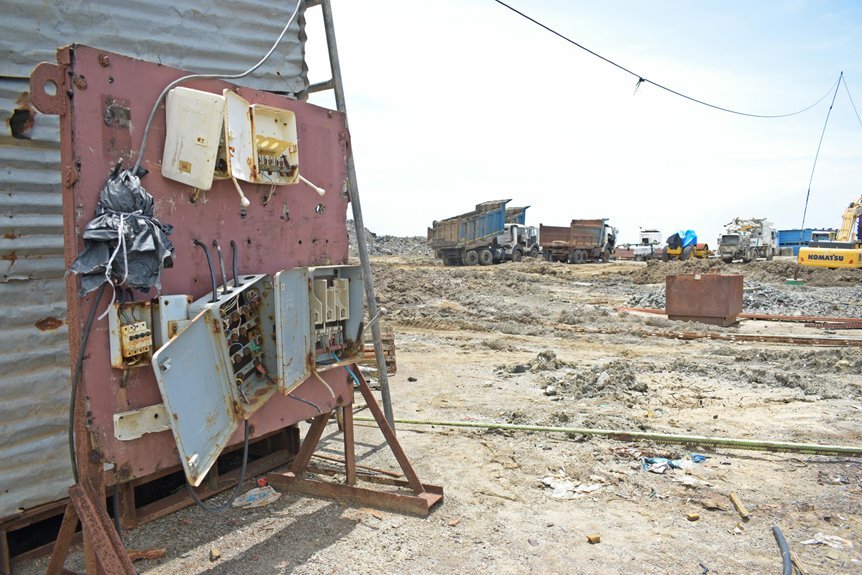
Utility disconnects and reconnects are critical processes in demolition projects, requiring careful management. Utility companies play a primary role in safely disconnecting services, while demolition contractors handle preparatory tasks and communication. This collaboration is essential for minimizing risks and ensuring compliance with regulations. Understanding the specific responsibilities of each party and the steps involved can provide insight into the complexities of utility management before demolition. The implications of these processes extend beyond mere logistics.
Importance of Utility Management in Demolition Projects
Utility management plays an essential role in the success of demolition projects, as the careful planning and execution of utility disconnects and reconnects can greatly impact both safety and efficiency. Effective utility planning guarantees that all necessary services, such as water, electricity, and gas, are appropriately managed before demolition begins. This process minimizes risks associated with hazardous materials and prevents potential service disruptions to neighboring areas.
Proper utility management also contributes to project efficiency by streamlining operations. By scheduling disconnects and reconnects in an organized manner, demolition teams can avoid unnecessary delays and maintain momentum throughout the project. Additionally, advanced planning allows for the identification of potential complications, enabling teams to develop contingency strategies. Ultimately, prioritizing utility management not only fosters a safer demolition environment but also enhances overall project success, guaranteeing that timelines and budgets are adhered to without compromising safety standards.
Roles of Utility Companies
Effective utility management necessitates collaboration with utility companies, which play a pivotal role in the disconnect and reconnect processes during demolition projects. These companies are responsible for ensuring that all utility services—such as electricity, water, and gas—are safely and efficiently disconnected prior to demolition activities. They operate under strict utility regulations that govern the disconnection process, ensuring compliance with safety standards and legal requirements.
Utility companies typically require service agreements that outline the terms and conditions for disconnecting and reconnecting services. These agreements detail responsibilities, timelines, and necessary inspections to prevent hazards during demolition. In addition, utility companies may conduct site assessments to evaluate existing infrastructure and identify any potential issues that could arise during disconnection. By fulfilling these roles, utility companies not only facilitate the demolition process but also safeguard public safety and environmental integrity.
Responsibilities of Demolition Contractors
Demolition contractors bear the critical responsibility of guaranteeing that all preparatory tasks are completed before the commencement of demolition activities. This includes familiarizing themselves with demolition regulations that govern safety, environmental protection, and site management. Contractors are obligated to conduct thorough site assessments to identify potential hazards, including the presence of hazardous materials.
Moreover, they must coordinate with utility companies to guarantee that all utility disconnects are executed prior to demolition. This is a crucial step in preventing accidents and guaranteeing compliance with safety standards.
Additionally, contractors must secure all necessary permits, which also involves notifying local authorities of their plans. An understanding of legal and regulatory frameworks is essential, as failure to adhere to these contractor obligations can result in penalties or project delays. Ultimately, the contractor’s diligence in these preparatory tasks lays the groundwork for a safe and efficient demolition process.
Coordination With Local Municipalities
Successful coordination with local municipalities is essential for guaranteeing that demolition projects proceed smoothly and legally. Engaging with municipal authorities early in the planning process allows contractors to navigate the complexities of municipal regulations effectively. Understanding local laws can prevent costly delays and legal complications.
Demolition projects typically require various permits, and municipalities have specific permit requirements that must be adhered to before any work can commence. These permits often involve assessments related to safety, environmental impact, and community standards.
Contractors must compile and submit the necessary documentation, which may include site plans and proof of utility disconnection. Additionally, regular communication with municipal officials can facilitate quicker approvals and foster a cooperative relationship that benefits all parties involved. By prioritizing this coordination, demolition teams can guarantee compliance and pave the way for a successful execution of their projects.
Steps for Utility Disconnects
The process of utility disconnects requires a systematic approach to guarantee safety and compliance. Initially, it is essential to identify all relevant utility providers, followed by scheduling appropriate disconnect appointments. Finally, confirming reconnection procedures will facilitate a smooth changeover once demolition is complete.
Identify Utility Providers
Before initiating any utility disconnects, it is essential to methodically identify all relevant utility providers associated with the property in question. Effective utility identification methods vary by region, and understanding regional provider differences is vital in this process.
| Utility Type | Provider Name |
|---|---|
| Electricity | Local Power Company |
| Gas | Regional Gas Utility |
| Water | Municipal Water Dept. |
| Sewer | Wastewater Authority |
| Telecommunications | Local Telecom Provider |
This table highlights common utility types and their respective providers. Ensuring accurate identification of these entities will facilitate a smoother disconnect process, laying the groundwork for subsequent steps in preparation for demolition.
Schedule Disconnect Appointments
Having identified the relevant utility providers linked to the property, the next step involves scheduling disconnect appointments for each utility. This process requires careful planning to avoid scheduling conflicts that may arise due to overlapping appointments. It is essential to clearly communicate the timeline and specific requirements to each utility provider.
Key considerations during this stage include:
- Confirming the required notice period for disconnects.
- Setting specific dates and times for each appointment.
- Providing appointment reminders to all parties involved.
- Documenting all communications for future reference.
Confirm Reconnection Procedures
Confirming reconnection procedures is an essential step in the utility management process following demolition. To guarantee a seamless changeover, stakeholders must establish a clear reconnection timeline that outlines when services will be restored. This timeline should consider the availability of utility personnel and any necessary inspections to confirm compliance with safety regulations.
Service verification is another critical component, requiring confirmation that all systems are functional and meet operational standards. Once the disconnection phase is complete, utility providers should conduct thorough assessments to identify any issues before reconnection. Effective communication with utility companies and maintaining documentation throughout the process will facilitate timely service restoration and minimize disruptions. By following these structured procedures, project managers can guarantee efficient utility reconnections post-demolition.
Steps for Utility Reconnects
The process of reconnecting utilities after a demolition project involves several systematic steps to confirm safety and compliance with regulations. The goal is to establish a clear utility timeline while managing reconnection costs effectively.
Key steps include:
- Assessment: Conduct a thorough review of the site to determine utility requirements.
- Application: Submit requests to the respective utility companies for reconnections, verifying all necessary documentation is included.
- Scheduling: Coordinate with utility providers to set a feasible timeline for the reconnection, keeping in mind any potential delays.
- Inspection: After reconnections are made, arrange for inspections to verify that all utilities are functioning safely and according to code.
Following these steps confirms a smooth shift from the demolition phase to a fully functioning site while minimizing unexpected expenses and verifying compliance with local regulations.
Safety Considerations During Utility Management
Guaranteeing safety during utility management is paramount, particularly in demolition and construction contexts. Effective management requires adherence to established safety protocols to mitigate hazards associated with utility disconnects and reconnects. These protocols include extensive training for personnel involved in the process, which emphasizes the importance of personal protective equipment (PPE) and awareness of the specific risks linked to each utility type.
Conducting thorough risk assessments prior to beginning work is critical. These assessments identify potential dangers, such as exposure to live electrical lines or gas leaks, allowing for the implementation of appropriate control measures. Additionally, regular communication with utility providers is essential to guarantee that all parties are informed about the status of disconnections or reconnections. By prioritizing safety protocols and diligent risk assessments, demolition teams can execute utility management tasks while minimizing the likelihood of accidents and guaranteeing the safety of all personnel on site.
Common Challenges and Solutions
Although utility disconnects and reconnects are essential for safe demolition, they often present several challenges that can complicate the process. Effective utility planning and thorough risk assessment are vital to addressing these issues. Common challenges include:
- Inadequate communication between utility providers and demolition teams, leading to delays.
- Unexpected utility lines that may not be documented, posing safety risks.
- Regulatory compliance issues that can arise from improper disconnect procedures.
- Scheduling conflicts that can delay project timelines due to utility provider availability.
To mitigate these challenges, demolition teams should prioritize proactive communication with utility companies, conduct extensive site assessments, and develop a detailed project timeline that accommodates all necessary utility actions. By addressing these concerns head-on, teams can enhance safety and efficiency, ultimately ensuring a smoother demolition process.
Conclusion
To summarize, the successful management of utility disconnects and reconnects prior to demolition hinges on the collaborative efforts of utility companies and demolition contractors. While some may theorize that one party could independently manage this process, the reality showcases that effective communication and coordination are essential to ensuring safety and compliance with regulations. By understanding and respecting their distinct roles, both entities can mitigate risks and streamline operations, ultimately contributing to a more efficient demolition project.