
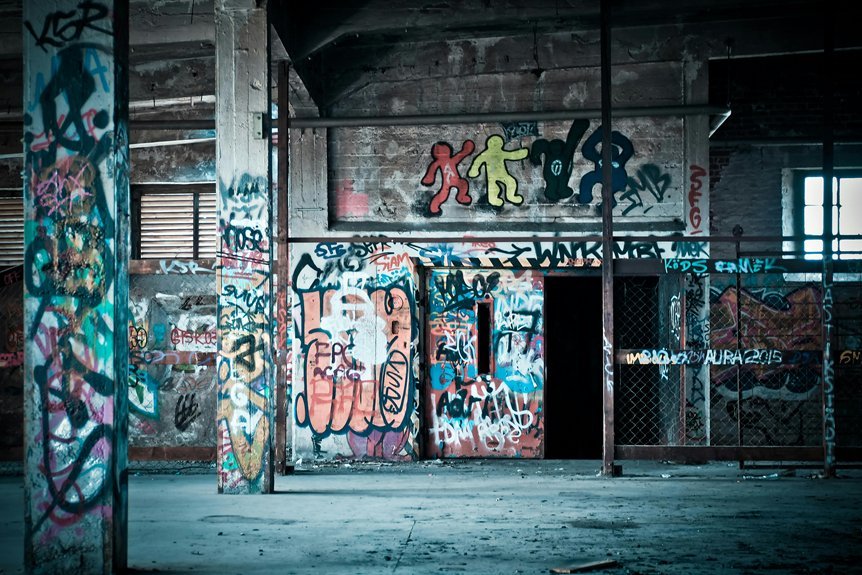
Demolition in historic districts presents unique challenges not found in standard processes. Stringent regulations aim to protect architectural integrity and cultural heritage. Preservation commissions play an essential role, evaluating the historical significance of structures before any action is taken. The involvement of the community further complicates the process, as public opinions can sway decisions. This raises critical questions about how to balance development needs with the preservation of community identity. What solutions can bridge this gap?
Understanding Historic District Designations
Although historic district designations serve to preserve architectural integrity and cultural heritage, they also introduce complex regulations that govern property alterations and demolitions. Understanding the criteria for such designations is essential, as they hinge on the historic significance of the area or structure in question. Typically, properties within a historic district must exhibit exceptional architectural styles, notable historical events, or associations with significant figures that contribute to the cultural narrative of the community.
Designation criteria often include age, integrity, and context, establishing a framework for evaluating the importance of buildings and landscapes. This framework not only aids in the identification of eligible properties but also informs the regulatory processes that impact renovations and demolitions. As communities endeavor to maintain their historical character, the balance between development and preservation becomes increasingly delicate, necessitating a thorough understanding of the implications of historic district designations.
Key Regulations Governing Demolition
The regulations governing demolition in historic districts are primarily shaped by local preservation ordinances, which establish the framework for protecting cultural heritage. Integral to this process is the review board approval, which evaluates proposed demolitions to guarantee compliance with preservation standards. Understanding these key regulations is essential for stakeholders to navigate the complexities of maintaining the integrity of historic neighborhoods.
Local Preservation Ordinances
While many communities recognize the importance of preserving their historical character, local preservation ordinances serve as essential regulatory frameworks that govern demolition activities within historic districts. These ordinances typically outline specific criteria that determine whether a structure can be demolished, considering factors such as architectural significance and historical context. The local impact of these regulations extends beyond mere aesthetics; they also aim to foster community identity and promote tourism, which can yield economic benefits. Additionally, preservation benefits include maintaining property values and ensuring the longevity of culturally significant buildings. By balancing development needs with historical integrity, local preservation ordinances play a critical role in safeguarding the unique character of communities and enhancing the quality of life for residents.
Review Board Approval Process
Before a demolition can proceed in a historic district, it must undergo a rigorous review board approval process that evaluates the proposed action against established preservation standards. This process typically begins with the submission of an application that outlines the demolition plans, including details about the structure’s historical significance. The review board then assesses the application based on specific board criteria, which may include the impact on the surrounding environment, the potential for rehabilitation, and compliance with local preservation ordinances. Public hearings often accompany this review, allowing community input. Ultimately, the board’s decision reflects a balance between development needs and the commitment to preserving the district’s historic character, ensuring that any demolition aligns with broader preservation goals.
The Role of Preservation Commissions
Preservation commissions serve an essential function in maintaining the integrity of historic districts, acting as guardians of architectural and cultural heritage. Their authority extends to evaluating proposed demolitions, guaranteeing that such actions align with preservation ethics. These commissions assess the historical significance of structures and determine the impact of demolition on the surrounding environment.
| Function | Responsibilities | Impact on Community |
|---|---|---|
| Review Demolition Proposals | Analyze applications for demolitions | Protects cultural identity |
| Enforce Preservation Laws | Guarantee compliance with regulations | Maintains aesthetic harmony |
| Educate Property Owners | Provide guidance on preservation practices | Fosters community engagement |
| Advocate for Historic Value | Promote the importance of heritage | Enhances local pride and tourism |
Community Involvement in the Demolition Process
How can communities effectively engage in the demolition process to safeguard their heritage? Active community engagement is essential for fostering informed discussions about proposed demolitions in historic districts. This involvement can take various forms, primarily through public hearings, which serve as platforms for residents to voice their concerns, share historical insights, and advocate for preservation. By participating in these hearings, community members can influence decision-making processes, ensuring that their historical narratives are considered.
Additionally, establishing advisory groups composed of local residents can enhance ongoing dialogue between stakeholders, including developers and preservation commissions. Such groups can facilitate transparency and collaboration, allowing community members to contribute to the development of guidelines that prioritize heritage conservation while addressing modern needs. Ultimately, a proactive approach to community engagement not only preserves historical integrity but also strengthens community identity, fostering a sense of ownership and responsibility toward shared heritage.
Challenges in Balancing Modern Development and Historical Integrity
While the demand for modern development continues to surge, the challenge of preserving historical integrity in designated districts becomes increasingly complex. This balancing act requires stakeholders to navigate the tension between the need for sustainable development and the preservation of historical context. As urban areas evolve, developers often face stringent regulations aimed at maintaining the character of historic neighborhoods, which can slow progress and increase costs.
Moreover, integrating modern amenities while respecting architectural heritage poses significant design challenges. The juxtaposition of new structures against historical buildings can lead to aesthetic dissonance, prompting community backlash.
Ultimately, the success of any development project in these districts hinges on a thoughtful approach that honors historical narratives while accommodating contemporary needs. Engaging in this dialogue is essential to foster a vision of progress that is inclusive of both innovation and tradition, ensuring that the past remains a crucial part of the urban landscape.
Alternatives to Full Demolition
In the context of historic districts, exploring alternatives to full demolition can preserve cultural heritage while accommodating modern needs. Adaptive reuse strategies, which transform existing structures for new purposes, and targeted renovation and restoration options can effectively balance preservation with functional upgrades. These approaches not only retain the architectural integrity of historic buildings but also contribute to sustainable development practices.
Adaptive Reuse Strategies
As communities grapple with the challenge of preserving historic districts, adaptive reuse strategies emerge as a viable alternative to full demolition, allowing for the preservation of architectural heritage while accommodating modern needs. These approaches offer numerous adaptive reuse benefits, such as sustainability and economic revitalization, by transforming existing structures for contemporary purposes. This not only maintains the historical context but also promotes community identity and continuity. By repurposing buildings, communities can mitigate the environmental impact associated with new construction and foster innovative uses of space. Adaptive reuse also often proves more cost-effective than demolition and new development, providing a pragmatic solution that honors the past while addressing future demands. Consequently, adaptive reuse serves as a critical tool in the preservation toolkit.
Renovation and Restoration Options
Although communities often face pressure to demolish aging structures in historic districts, renovation and restoration present viable alternatives that prioritize preservation. Various renovation techniques, such as structural reinforcement and energy-efficient upgrades, can breathe new life into historic buildings while retaining their architectural integrity. However, these processes are not without their restoration challenges, including the need to source authentic materials and navigate stringent regulatory frameworks. Balancing modern needs with historical significance often requires careful planning and skilled craftsmanship. By focusing on renovation and restoration, communities can maintain their cultural heritage and foster a sense of identity, ensuring that historic districts continue to tell the stories of the past while adapting to contemporary demands.
Case Studies of Successful Preservation Projects
Successful preservation projects often serve as compelling case studies, illustrating the potential for revitalizing historic districts while retaining their cultural significance. These projects frequently highlight the intricate balance between modern needs and historical integrity.
| Project Name | Location | Preservation Success |
|---|---|---|
| The Old Mill | Newtown | Adaptive reuse transformed it into a community center, preserving its façade. |
| Heritage Hotel | Rivertown | Restored original architecture while modernizing interiors, boosting tourism. |
| Historic Theatre | Downtown Cityville | Revitalization led to increased arts programming and local engagement. |
| The Brick Row Houses | Old Town | Thorough restoration guaranteed long-term housing solutions while maintaining historical character. |
Each of these project highlights showcases innovative approaches to preservation, demonstrating that thoughtful renovations can breathe new life into historic settings, ultimately benefiting communities socially and economically.
Conclusion
In traversing the intricate landscape of demolition within historic districts, the stakes extend far beyond mere bricks and mortar. As preservation commissions deliberate and communities engage, the fate of these storied sites hangs in the balance. Will the allure of modern development overshadow the whispers of the past, or can a harmonious coexistence be achieved? The outcome will ultimately shape not only the architectural landscape but also the cultural narrative that defines these cherished neighborhoods for generations to come.