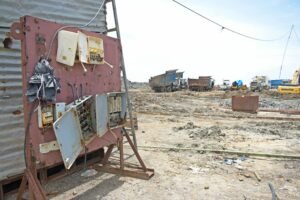
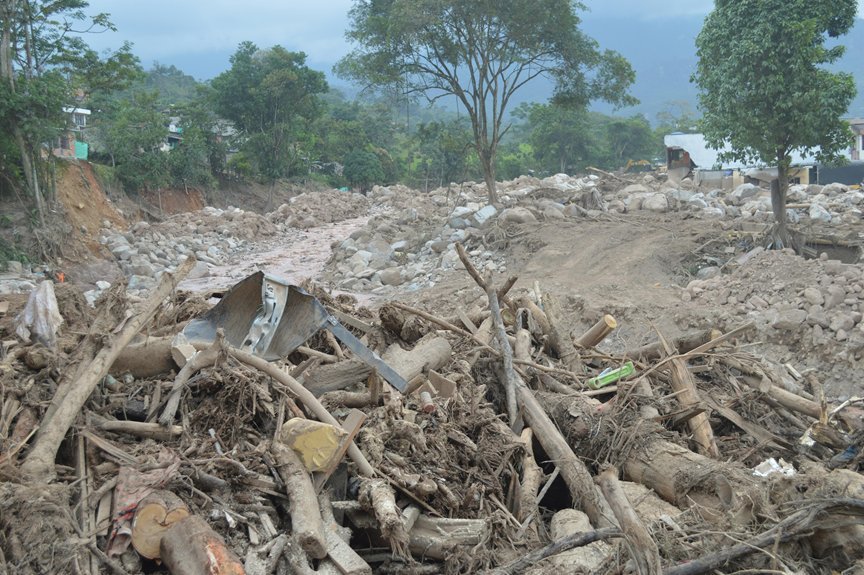
Demolition following a flood or landslide requires a thorough understanding of the unique hazards involved. Structures may exhibit significant weaknesses due to water damage, increasing the risk of collapse. Additionally, hazardous materials such as mold and asbestos may pose health threats to workers. Contaminated floodwaters can introduce harmful chemicals into the environment. Awareness of these risks is essential, yet many overlook the complexities of steering through the demolition process safely. What specific precautions should be taken to guarantee worker safety?
Understanding the Impact of Flooding on Structures
Although flooding can vary considerably in intensity and duration, its impact on structures is often profound and multifaceted. The flood effects can compromise the structural integrity of buildings, leading to severe damage or complete failure. Water intrusion can weaken foundational elements, corrode steel reinforcements, and degrade materials such as wood and concrete.
Prolonged exposure to moisture creates conditions conducive to mold growth, further threatening human health and safety. Additionally, the dynamic forces exerted by floodwaters can cause lateral pressure on walls and foundations, resulting in buckling and cracking.
The assessment of structural integrity after flooding is vital; engineers must conduct thorough evaluations to determine whether repairs are feasible or if demolition is the only viable option. This careful analysis guarantees that decisions are made based on the safety of occupants and the economic implications of restoration versus demolition.
Understanding these impacts is essential for effective disaster management and recovery planning.
Identifying Hazards in Landslide-Affected Areas
How can hazards in landslide-affected areas be effectively identified and managed? The process begins with thorough terrain analysis, which evaluates slope stability, soil composition, and vegetation cover.
Utilizing advanced technologies such as remote sensing and geographical information systems (GIS) enhances landslide detection capabilities, allowing for the mapping of potential risk zones. Terrain analysis also incorporates historical data on previous landslides, rainfall patterns, and seismic activity to identify trends and anomalies in ground movement.
Furthermore, field assessments are essential for validating findings from remote techniques, enabling experts to pinpoint specific hazards, such as unstable slopes or erosion-prone areas.
Collaboration with geologists and engineers guarantees a multidisciplinary approach to hazard identification, fostering a complete understanding of the site-specific risks. By integrating these methodologies, stakeholders can develop effective management strategies that mitigate hazards and enhance safety in landslide-prone regions.
The Risks of Structural Instability
Evaluating the risks of structural instability following a flood or landslide involves identifying vulnerable structures and evaluating soil conditions.
Vulnerable structures may exhibit signs of damage or deterioration, necessitating careful inspection to determine their safety.
Additionally, soil conditions must be analyzed to understand how erosion or saturation may compromise foundational integrity, influencing the decision to proceed with demolition.
Identifying Vulnerable Structures
The identification of vulnerable structures becomes critical following severe weather events, such as floods or landslides, which greatly increase the risk of structural instability.
Structural assessments must be conducted promptly to evaluate the integrity of buildings and infrastructure that may have been compromised. Vulnerable materials, such as wood and certain types of masonry, are particularly susceptible to water damage and erosion, making them prime candidates for assessment.
Engineers and inspectors employ a range of techniques, including visual inspections and load testing, to determine the extent of damage and the potential for failure. Identifying these vulnerable structures allows for informed decision-making regarding demolition or repair, thereby enhancing safety in affected areas and minimizing further risks to life and property.
Assessing Soil Conditions
Following the identification of vulnerable structures, evaluating soil conditions becomes imperative in understanding the risks associated with structural instability.
Soil stability is critical in determining whether remaining foundations can support existing structures after a flood or landslide. An erosion assessment must be conducted to identify areas where soil has been compromised, leading to potential failure.
- Soil Composition: Analyzing the mixture of sand, silt, and clay can indicate stability.
- Water Saturation: Excess moisture can weaken soil integrity and increase erosion risk.
- Vegetation Impact: Root systems can support soil but may also lead to instability when removed.
Understanding these factors helps inform demolition decisions, ensuring safety and structural integrity in post-disaster recovery efforts.
Navigating Contaminated Materials and Hazardous Waste
In the aftermath of a flood or landslide, identifying hazardous materials within the debris is vital for ensuring safety and compliance with environmental regulations.
Proper disposal methods for contaminated materials must be implemented to mitigate health risks and prevent further environmental damage.
Additionally, the use of appropriate protective equipment is essential for personnel involved in the demolition process to minimize exposure to potential toxins.
Identifying Hazardous Materials
Identifying hazardous materials is essential in the aftermath of a flood or landslide, as these events can disturb and expose toxic substances that pose significant health risks. Effective identification methods are vital for ensuring safety during the demolition process.
Key areas of focus include:
- Asbestos Identification: Disturbance of building materials may release airborne asbestos fibers, necessitating thorough inspection.
- Mold Detection: Flooding often leads to mold growth, which can cause respiratory issues and other health concerns.
- Chemical Contaminants: Floodwaters may carry hazardous chemicals from industrial sites, necessitating environmental assessments.
Implementing stringent identification protocols enables responders to manage risks effectively, safeguarding both workers and the surrounding community from potential hazards associated with contaminated materials.
Safe Disposal Methods
While managing the complexities of demolition after a flood or landslide, the safe disposal of contaminated materials and hazardous waste is paramount to protecting public health and the environment.
Effective disposal methods include segregating hazardous waste from non-hazardous debris, ensuring proper containment to prevent further contamination.
Composting debris, when feasible, allows for the recycling of organic materials, reducing landfill burden and promoting environmental sustainability.
Additionally, recycling materials such as metals, concrete, and certain plastics can minimize environmental impact and support resource conservation.
It is essential to adhere to local regulations governing hazardous waste disposal and engage licensed professionals for transportation and treatment of hazardous materials, thereby ensuring compliance and safeguarding community health during the demolition process.
Protective Equipment Requirements
Guaranteeing the safety of workers during demolition in areas affected by floods or landslides requires stringent adherence to protective equipment requirements. Proper PPE selection is essential to mitigate risks associated with contaminated materials and hazardous waste.
Important protective gear includes:
- Respiratory Protection: To guard against inhalation of harmful particles.
- Chemical-resistant Gloves: To prevent skin contact with hazardous substances.
- Hard Hats and Steel-toed Boots: To protect against falling debris and sharp objects.
Additionally, regular PPE maintenance is critical to ascertain its effectiveness. Equipment must be inspected for wear and damage before use, and properly cleaned and stored after each job.
Adhering to these requirements is fundamental to safeguarding the health and safety of workers in these challenging environments.
The Role of Water Damage in Demolition Safety
Water damage plays a critical role in determining the safety and feasibility of demolition operations following a flood or landslide. The presence of waterlogged materials greatly compromises the structural integrity of buildings, necessitating thorough structural evaluations before any demolition activities commence.
These evaluations examine the condition of walls, foundations, and roof systems that may have been weakened by saturation. In addition, waterlogged materials can lead to instability, posing risks to demolition crews.
It is essential for professionals to identify and categorize these materials, as their weight and condition can change rapidly due to ongoing moisture exposure. Moreover, understanding the extent of water damage aids in developing effective demolition strategies that prioritize safety.
Hidden Dangers: Gas Lines and Electrical Hazards
The presence of hidden dangers, such as gas lines and electrical hazards, greatly complicates demolition efforts following a flood or landslide. These risks can pose severe threats to workers and hinder safe operations. Effective gas line detection and adherence to electrical safety protocols are critical in mitigating these dangers.
- Gas leaks: Undetected ruptured gas lines can lead to explosions.
- Electrocution risks: Water exposure increases the risk of electric shock from damaged wiring.
- Structural instability: Compromised systems may create unexpected hazards during demolition.
Before commencing any demolition activities, thorough assessments must be conducted to identify and address these hidden hazards.
Utilizing advanced detection technologies for gas lines and ensuring compliance with electrical safety guidelines are essential steps in safeguarding personnel and ensuring a successful demolition process in these challenging environments.
Personal Protective Equipment (PPE) Requirements
Although demolition operations following a flood or landslide present unique challenges, adherence to personal protective equipment (PPE) requirements is vital for safeguarding workers. Proper PPE selection is critical, as it must address specific hazards such as sharp debris, chemical exposure, and potential biological threats. Regular PPE maintenance guarantees that equipment remains effective and safe for use.
| PPE Type | Purpose |
|---|---|
| Hard Hats | Protects head from falling debris |
| Steel-Toed Boots | Guards feet against heavy objects |
| Gloves | Shields hands from cuts and chemicals |
| Respirators | Filters harmful particulates and gases |
| Safety Goggles | Protects eyes from dust and debris |
Employers must ascertain that all workers are trained in the correct usage and maintenance of PPE. This proactive approach promotes a safer working environment during demolition efforts.
Best Practices for Safe Demolition Operations
Given the inherent risks associated with demolition operations in the aftermath of a flood or landslide, implementing best practices is essential for guaranteeing worker safety and operational efficiency.
Adhering to established safety protocols and employing advanced demolition techniques can greatly mitigate hazards.
- Conduct thorough site assessments: Prior to demolition, evaluate structural integrity and identify potential hazards, such as unstable terrain or hidden debris.
- Utilize appropriate demolition techniques: Choose methods that minimize risk to workers and surrounding areas, such as controlled demolition or selective dismantling.
- Implement rigorous safety protocols: Ensure all personnel are trained in emergency response, proper equipment usage, and hazard communication.
Frequently Asked Questions
What Permits Are Needed for Demolition After a Flood or Landslide?
When considering demolition, various permit types are required, depending on local regulations and the nature of the site.
Typically, a demolition permit, environmental assessments, and possibly a building permit are necessary.
The application process involves submitting detailed plans, confirming compliance with safety standards, and obtaining approvals from relevant authorities.
Additionally, notifications to utility companies may be mandated before any demolition activities commence, ensuring a thorough and compliant approach to the project.
How Do I Assess the Salvageable Materials Post-Disaster?
In the aftermath of a disaster, akin to the phoenix rising from ashes, evaluating salvageable materials requires a thorough material evaluation.
First, one must inspect structural integrity and contamination levels, documenting any damage.
Next, prioritize items with high restoration potential, such as hardwood or bricks, while discarding irreparable debris.
Employing a systematic approach guarantees that valuable resources can be reclaimed, contributing to efficient recovery and minimizing waste in the rebuilding process.
Are There Specific Insurance Considerations for Demolition After Natural Disasters?
When addressing insurance considerations for demolition following natural disasters, it is essential to evaluate the specific insurance coverage applicable to such scenarios.
Policyholders should thoroughly review their insurance policies to understand the inclusions and exclusions relevant to demolition costs.
Additionally, the claims process may vary greatly, requiring detailed documentation and assessments of damages.
Understanding these elements can greatly impact the efficiency and success of obtaining necessary funds for demolition activities.
What Are the Costs Associated With Demolition in These Scenarios?
Demolition expenses in scenarios involving natural disasters can vary considerably based on several factors. These include the extent of damage, the type of debris, and local regulations.
During flood recovery, costs may increase due to the need for specialized equipment to handle hazardous materials and guarantee safety. Additionally, logistical challenges and potential delays can escalate overall expenses, necessitating thorough budgeting and planning to mitigate financial impacts associated with demolition efforts.
How Can I Find Qualified Contractors for Disaster-Related Demolition?
In the aftermath of a storm, the search for qualified contractors resembles a sailor steering through treacherous waters.
To guarantee a successful disaster recovery, one must prioritize contractor qualifications. This involves reviewing credentials, experience in similar projects, and compliance with safety regulations.
Online directories, local government resources, and industry associations can provide valuable referrals. Engaging with previous clients can further illuminate a contractor’s reliability, guaranteeing that the vessel of recovery sails smoothly towards safe shores.