
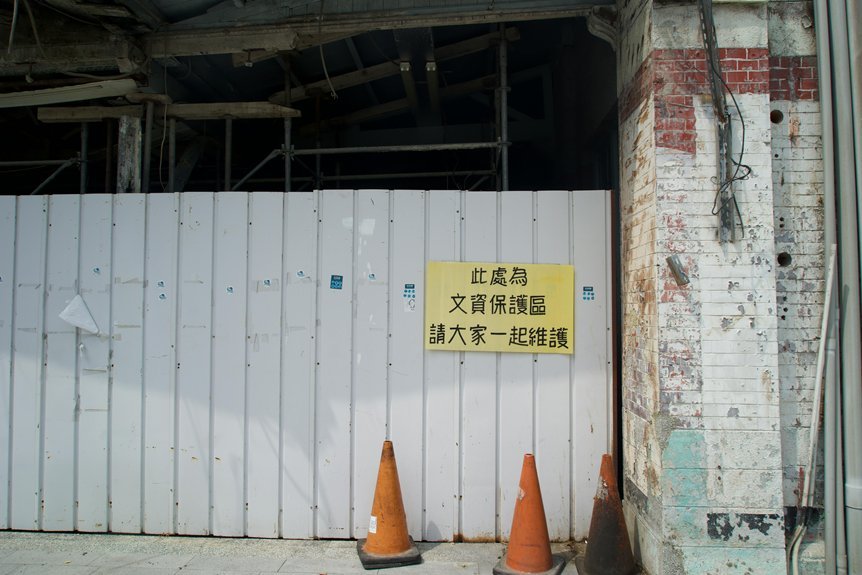
Fencing around a demolition site is not just a precaution; it is a fundamental requirement for safety and security. It serves to protect workers from potential hazards and prevents public access to dangerous areas. Additionally, it helps in compliance with legal regulations. Understanding the types of fencing available and their implications is essential for any demolition project. The next steps in determining the right approach may have significant consequences.
Importance of Safety in Demolition Projects
Although demolition projects are essential for urban development and infrastructure renewal, safety remains a paramount concern. Effective site management is vital to mitigate the various demolition risks associated with these operations. These risks can include structural instability, falling debris, and exposure to hazardous materials, all of which pose significant threats to workers and the surrounding community.
Proper site management involves implementing safety protocols, conducting thorough risk assessments, and ensuring compliance with regulatory standards. This includes establishing secure perimeters to prevent unauthorized access and employing appropriate signage to inform the public of potential dangers. Additionally, regular training and communication among team members can enhance awareness of safety procedures and emergency response plans.
Ultimately, prioritizing safety in demolition projects not only protects individuals but also fosters trust within the community, paving the way for successful and responsible urban development.
Protecting Workers From Hazards
Protecting workers from hazards during demolition projects requires the implementation of rigorous safety measures. Effective hazard management is essential to guarantee worker safety and minimize risks associated with demolition activities. Employers must identify potential hazards and create protocols to mitigate them. Key strategies include:
- Conducting thorough site assessments to identify risks.
- Providing appropriate personal protective equipment (PPE) for all workers.
- Training employees on safety procedures and emergency protocols.
- Establishing clear communication channels for reporting hazards.
- Regularly inspecting equipment and work areas to maintain safety standards.
Keeping the Public Safe
Ensuring public safety during a demolition project requires effective measures to prevent unauthorized access to the site. By implementing appropriate barriers, the risks posed to passersby from falling debris and other hazards can be greatly reduced. Additionally, these precautions serve to minimize liability risks for the demolition company, highlighting the importance of a secure perimeter.
Preventing Unauthorized Access
When a demolition site is left unprotected, the risk of unauthorized access increases considerably, posing safety hazards to the public. Implementing effective site security measures is essential to guarantee that only authorized personnel can enter the area. Access control systems play a significant role in safeguarding the site and preventing accidents.
- Install sturdy fencing around the perimeter.
- Use locks and gates to restrict entry.
- Employ security personnel to monitor the site.
- Implement surveillance cameras for continuous observation.
- Clearly mark hazardous areas with warning signs.
These strategies not only protect the public but also help mitigate potential liability issues for the demolition company. Guaranteeing proper access control is a critical component of maintaining safety during demolition activities.
Protecting Passersby From Hazards
Fencing and access control measures are just the beginning of safeguarding a demolition site; attention must also be given to the safety of passersby. Effective hazard identification is crucial in recognizing potential risks associated with demolition activities, such as falling debris or hazardous materials. Clear safety signage should be prominently displayed around the site, warning the public of dangers and guiding them away from hazardous areas. Additionally, barriers and visual cues can further deter unauthorized access and protect pedestrians. By implementing these measures, site managers can greatly reduce the likelihood of accidents and guarantee the safety of those nearby. Thorough risk assessments and ongoing monitoring can further enhance public safety throughout the demolition process.
Minimizing Liability Risks
Establishing robust safety measures is essential for minimizing liability risks at a demolition site. Proper planning and execution can greatly reduce incidents that may lead to legal complications. Key strategies include:
- Conducting thorough risk assessments to identify potential hazards.
- Implementing and enforcing strict access controls to limit unauthorized entry.
- Utilizing liability waivers for workers and visitors to acknowledge risks.
- Ensuring clear signage to inform the public of dangers and site boundaries.
- Regularly training staff on safety protocols and emergency procedures.
Preventing Unauthorized Access
How can a demolition site guarantee safety and security? Implementing effective measures to prevent unauthorized access is essential. The use of sturdy fencing materials acts as a primary barrier, deterring trespassers and ensuring that only authorized personnel can enter the site. Additionally, access control systems, such as gates and security checkpoints, can further enhance site security.
| Fencing Materials | Access Control Methods |
|---|---|
| Chain-link fencing | Keycard entry systems |
| Wooden barriers | Security personnel |
| Concrete walls | Digital monitoring |
| Metal fencing | Biometric scanners |
| Temporary barriers | Surveillance cameras |
Types of Fencing for Demolition Sites
When selecting fencing for a demolition site, it is vital to contemplate various safety fencing options to effectively secure the area. Choices include temporary and permanent fencing solutions, each offering distinct advantages depending on the project’s duration and requirements. Additionally, evaluating material durability is critical to guarantee that the fencing can withstand the rigors of the demolition environment.
Safety Fencing Options
While various safety fencing options exist, selecting the appropriate type for a demolition site is essential for effective hazard management. The choice of fencing materials and fencing design plays a significant role in ensuring safety and compliance with regulations. The following options should be considered when planning a demolition site:
- Chain-link fencing: Durable and provides visibility of the site.
- Wooden barricades: Strong and effective for privacy and security.
- Construction safety nets: Ideal for preventing debris from falling.
- Orange safety mesh: Lightweight and highly visible for crowd control.
- Concrete barriers: Offers substantial protection against vehicle access.
Each option presents unique advantages that contribute to maintaining a safe environment during demolition activities.
Temporary vs. Permanent Fencing
Determining the appropriate type of fencing for a demolition site involves evaluating the specific needs of the project, as both temporary and permanent fencing options serve distinct purposes. Temporary fencing is often employed for short-term projects, providing an immediate barrier to secure the site while ensuring safety and compliance with regulations. This type of fencing is typically lightweight and easy to install, making it suitable for projects with a limited timeframe. In contrast, permanent fencing is designed for long-term use, effectively delineating property boundaries and providing ongoing security after demolition is completed. Choosing between temporary and permanent fencing hinges on project duration, budget, and the level of security required, necessitating careful consideration by site managers and stakeholders.
Material Durability Considerations
Selecting the right materials for fencing around a demolition site is essential for guaranteeing safety and security during the project. The choice of fencing material greatly affects both material strength and the environmental impact. Effective fencing should withstand potential hazards while minimizing ecological harm.
- Chain-link Fencing: Durable and cost-effective, providing visibility.
- Wooden Fencing: Offers privacy but may require treatment for weather resistance.
- Vinyl Fencing: Lightweight and weather-resistant, with low maintenance.
- Steel Fencing: High strength, ideal for long-term projects or high-risk sites.
- Bamboo Fencing: An eco-friendly option, though less durable.
Understanding these options helps guarantee that the selected fencing balances safety with environmental considerations, maintaining site integrity throughout the demolition process.
Temporary vs. Permanent Fencing
When evaluating the fencing requirements for a demolition site, it is essential to distinguish between temporary and permanent fencing options. Temporary fencing offers several benefits, including cost-effectiveness, ease of installation, and the flexibility to be relocated as project needs evolve. It is particularly advantageous for short-term projects, providing adequate security to manage site access and protect the public from hazards.
In contrast, permanent fencing presents certain drawbacks. While it may provide long-lasting security, it is often more expensive and time-consuming to install. Additionally, permanent fencing may not be adaptable to changing project dynamics, potentially leading to unnecessary expenses. Consequently, project managers must carefully assess their specific needs, weighing the advantages of temporary fencing against the limitations of permanent solutions to guarantee appropriate safety measures are implemented throughout the demolition process.
Height and Durability Requirements
Height and durability requirements for fencing around a demolition site are critical factors that influence both safety and compliance with local regulations. The appropriate fencing height and material strength are essential in preventing unauthorized access and protecting the public from potential hazards.
Key considerations include:
- Minimum fencing height: Typically ranges from 6 to 8 feet, depending on local codes.
- Material strength: Fencing should be constructed from robust materials like chain link or welded wire to withstand impacts.
- Wind resistance: Fencing must be stable enough to endure high winds, particularly in open areas.
- Visibility: Fencing should be designed to be clearly visible, using bright colors or warning signs to alert passersby.
- Maintenance: Regular inspections are necessary to guarantee the fencing remains intact and serves its intended purpose effectively.
Adhering to these requirements helps maintain safety and minimizes risks during demolition activities.
Legal Regulations and Compliance
Understanding legal regulations and compliance is essential for anyone overseeing a demolition project, as these guidelines dictate the necessary safety measures and operational protocols. Compliance standards set forth by local and national authorities guarantee that demolition activities are conducted safely, protecting workers and the surrounding community. Regulatory requirements often include the installation of fencing to secure the site, minimizing risks of unauthorized access and potential accidents.
Failure to adhere to these regulations can result in significant penalties, including fines and project delays. Consequently, project managers must familiarize themselves with the specific compliance standards relevant to their location and the nature of the demolition. This includes understanding the required permits and safety measures mandated by governing bodies. Guaranteeing full compliance not only fosters a safer working environment but also enhances the project’s overall legitimacy and success.
Local Ordinances and Building Codes
What local ordinances and building codes apply to a demolition site? Compliance with local regulations is essential to guarantee public safety and environmental integrity during demolition. Each municipality may have specific requirements that must be adhered to. Key aspects often include:
- Notification Requirements: Informing neighbors and local authorities before commencing demolition.
- Site Safety Standards: Implementing safety measures to protect workers and the public.
- Waste Disposal Regulations: Proper handling and disposal of hazardous materials.
- Noise Control Ordinances: Adhering to restrictions regarding construction noise during specified hours.
- Environmental Compliance: Guaranteeing demolition practices align with environmental protection laws.
To navigate these complexities, contractors should consult compliance checklists provided by local authorities. This will facilitate adherence to relevant building codes and ordinances, minimizing legal risks and guaranteeing a safe demolition process.
Insurance Considerations
Compliance with local ordinances and building codes forms the foundation of a safe demolition operation, but adequate insurance coverage is equally significant. Demolition sites pose inherent risks, making it vital for contractors and property owners to secure thorough liability protection. This type of insurance safeguards against potential claims arising from accidents, injuries, or property damage that may occur during the demolition process.
Liability protection not only covers third-party claims but also addresses any harm that could affect workers on-site. It is important to assess the specific risks associated with each demolition project to determine the appropriate level of insurance coverage required. Failing to obtain sufficient insurance can lead to significant financial repercussions in the event of an incident. As a result, consulting with an insurance professional is advisable to guarantee that all liabilities are adequately addressed, ultimately fostering a safer demolition environment.
Cost-Effectiveness of Fencing
While the initial investment in fencing around a demolition site may seem substantial, the long-term benefits often outweigh the costs. A thorough cost analysis reveals that effective fencing can mitigate potential liabilities and enhance overall site security. For project managers facing budget constraints, the following points illustrate the cost-effectiveness of fencing:
- Reduced liability risks: Fencing minimizes unauthorized access, therefore lowering the likelihood of accidents.
- Increased site security: Deterrents against theft or vandalism protect valuable equipment and materials.
- Compliance with regulations: Proper fencing guarantees adherence to local laws, avoiding fines.
- Protection of public safety: Safeguarding the surrounding community reduces the risk of injury claims.
- Long-term savings: Investing in quality fencing can lead to lower insurance premiums over time.
Ultimately, the initial costs of fencing are often justified by these significant long-term advantages.
Best Practices for Fencing Installation
Investing in effective fencing is only the first step; proper installation is vital to maximizing its benefits. The selection of appropriate fencing materials plays a significant role in guaranteeing durability and effectiveness. Common choices include chain link, wood, and vinyl, each offering various levels of security and visibility.
Professional installation techniques must be employed to confirm the fencing withstands environmental challenges and potential tampering. This includes making sure that posts are securely anchored in concrete and maintaining the correct tension in the fencing material. Additionally, it is essential to align the fencing properly to create a continuous barrier without gaps.
Regular inspections should be conducted post-installation to identify any weaknesses or damages. This proactive approach guarantees that the fencing remains a reliable safeguard throughout the demolition process. Following these best practices will help create a secure environment, minimizing risks associated with unauthorized access to the demolition site.
Planning for Fencing in Your Demolition Timeline
When planning a demolition project, integrating fencing into the timeline is essential for compliance with legal requirements and ensuring safety. This involves understanding local regulations and evaluating the potential hazards associated with the site. A well-structured timeline will facilitate effective fencing installation, contributing to the overall safety and efficiency of the demolition process.
Legal Requirements Overview
How does one navigate the complex landscape of legal requirements for fencing around a demolition site? Understanding the legal obligations is vital for compliance with fencing regulations. These requirements vary by location and project scope, necessitating careful planning.
- Confirm local zoning laws and ordinances.
- Assess specific state and federal regulations.
- Guarantee compliance with OSHA standards for construction sites.
- Review any contractual obligations with stakeholders.
- Consult legal counsel for thorough guidance.
Safety Considerations First
Fencing around a demolition site is often a critical component of safety planning that should be regularly prioritized throughout the project timeline. The selection of appropriate fencing materials is essential, as they must comply with established safety standards to effectively safeguard both workers and the public. Strong, durable barriers help prevent unauthorized access and minimize the risk of accidents, ensuring that potential hazards are contained within the demolition area. Additionally, regular inspections of the fencing are necessary to maintain its integrity and effectiveness. By integrating fencing considerations into the overall safety strategy, project managers can enhance site security and adhere to legal requirements, ultimately promoting a safer working environment for all involved in the demolition process.
Timeline Integration Strategies
What steps should be taken to effectively integrate fencing into the demolition timeline? Proper timeline coordination is essential for guaranteeing that fencing installation aligns seamlessly with project scheduling. Early planning can prevent delays and maintain safety.
- Assess site boundaries for fencing requirements.
- Coordinate with local authorities for necessary permits.
- Schedule fencing installation before demolition begins.
- Confirm fencing design accommodates both safety and access for workers.
- Regularly review the timeline to adjust for unforeseen delays.
Conclusion
To sum up, fencing around a demolition site is not merely a precaution but an essential necessity that safeguards lives and property. The potential risks associated with demolition activities are significant, and the emotional toll of accidents can be devastating for families and communities. By prioritizing safety through proper fencing, project managers can mitigate these dangers, instill confidence in the public, and uphold legal responsibilities. Ultimately, investing in robust fencing is an investment in the well-being of all involved.