
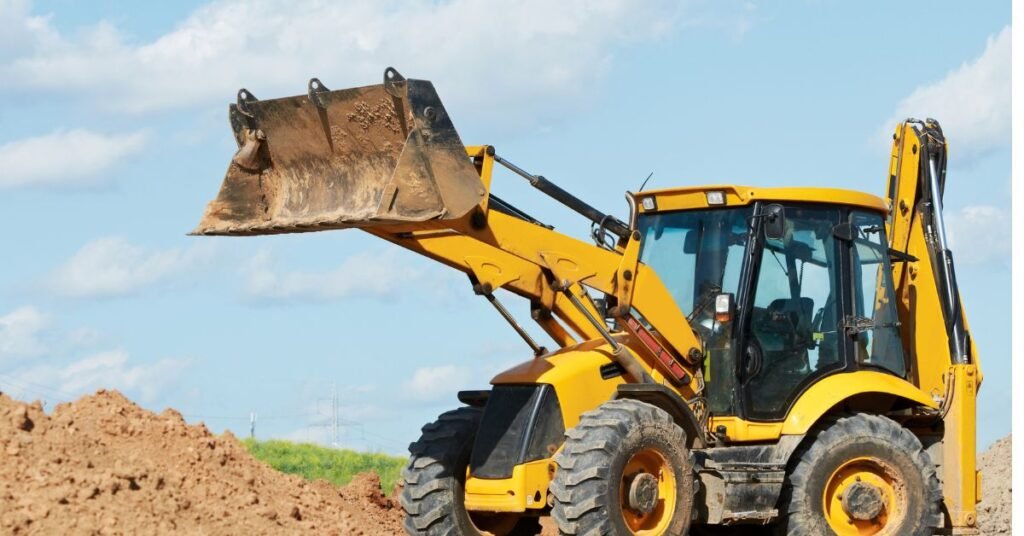
Backhoe loaders serve as essential equipment in demolition projects, merging the functionalities of a loader and an excavator. Their compact design allows for effective operation in confined urban spaces. Equipped with advanced hydraulic systems, these machines facilitate precise dismantling while minimizing damage to adjacent structures. Understanding their advantages and applications can greatly impact project outcomes. Exploring the multifaceted benefits of backhoe loaders reveals critical insights into their role in modern demolition practices.
Backhoe loaders are versatile construction machines that combine the functionalities of a loader and an excavator. These machines have evolved considerably since their inception in the 1950s, when they were first developed to meet the growing demands of construction and excavation projects. Over the years, various backhoe loader types have emerged, each designed to cater to specific tasks, such as digging, lifting, and material handling. Common types include standard backhoe loaders, compact models, and those equipped with specialized attachments that enhance their utility. The history of backhoe loaders highlights their adaptability and efficiency, transforming the way construction works are performed. As these machines continue to advance, they integrate modern technology, improving performance and operator safety. Understanding the operational capabilities and historical development of backhoe loaders is essential for professionals in the construction industry aiming to maximize productivity and effectiveness on job sites.
While various construction machines serve specific purposes, backhoe loaders stand out due to their unique combination of features that enhance their versatility and efficiency on job sites. These machines typically incorporate a front loader bucket and a rear-mounted backhoe, allowing for a wide range of tasks, from excavation to material handling. Key specifications include hydraulic systems that provide powerful lifting and digging capabilities, along with adjustable arm lengths for various applications.
Additionally, backhoe loaders often feature advanced operational capabilities, such as four-wheel drive and articulated steering, which improve maneuverability in tight spaces. Their compact design enables them to operate in urban environments where space is limited. Furthermore, many models come equipped with various attachments, such as augers and grapples, further expanding their functionality. These features collectively make backhoe loaders indispensable in construction and demolition projects, ensuring ideal performance and productivity.
Backhoe loaders offer significant advantages in demolition projects due to their compact and maneuverable design, allowing for effective operation in confined spaces. Their capability to utilize multi-functional attachments enhances versatility, enabling tasks such as excavation, demolition, and material handling. Additionally, the enhanced reach and power of backhoe loaders facilitate the efficient dismantling of structures, making them an essential asset in the demolition industry.
A significant advantage of backhoe loaders in demolition projects is their compact and maneuverable design, which allows for efficient operation in confined spaces. This compact design enhances productivity while reducing the risk of damage to surrounding structures. The maneuverability advantages of backhoe loaders enable operators to navigate tight corners and restricted areas effectively. Key benefits include:
The versatility of backhoe loaders is greatly enhanced by the availability of multi-functional attachments, which make them invaluable assets in demolition projects. These attachments provide significant attachment versatility, allowing operators to switch tools quickly based on specific tasks, thereby optimizing efficiency and reducing downtime. Multi tool functionality enables backhoe loaders to perform various operations, from breaking concrete to digging and material handling. Below is a table showcasing common attachments used in demolition:
| Attachment Type | Functionality | Applications |
|---|---|---|
| Hydraulic Breaker | Breaks concrete and hard materials | Demolishing structures |
| Grapple Bucket | Grabs and moves debris | Site cleanup and material handling |
| Auger | Drills holes | Foundation work |
| Pallet Forks | Lifts and moves heavy loads | Material transport |
Equipped with robust hydraulic systems and articulated design, backhoe loaders offer enhanced reach and power, making them particularly effective in demolition tasks. Their extended capabilities allow operators to tackle a variety of challenges on-site, while also ensuring enhanced stability during operation. This versatility is vital for maintaining safety and efficiency in demolition environments. Key advantages include:
These features collectively contribute to the overall effectiveness of backhoe loaders, establishing them as essential equipment in modern demolition projects. Their design and functionality notably enhance operational performance.
How do backhoe loaders stack up against other heavy machinery in demolition tasks? In the sector of demolition, backhoe loaders exhibit distinct advantages over traditional equipment such as excavators and bulldozers. Their equipment versatility allows operators to perform multiple functions, including digging, lifting, and material handling, all with a single machine. This multifunctionality reduces the need for additional machinery, streamlining operations and lowering project costs.
While excavators offer superior digging depth and bulldozers excel in pushing materials, backhoe loaders provide a balanced solution for smaller to medium-scale demolition projects. Their compact size enhances maneuverability in confined spaces, making them ideal for urban environments. Additionally, backhoe loaders can easily switch attachments, further enhancing their adaptability. Ultimately, their combination of power, reach, and versatility positions backhoe loaders as a valuable asset in demolition tasks compared to other heavy machinery options.
Selecting the appropriate backhoe loader for a demolition project involves careful consideration of various factors. A thorough assessment of backhoe specifications in relation to project requirements is vital for guaranteeing peak performance and efficiency. Key considerations include:
When undertaking demolition tasks, the choice of backhoe loader attachments greatly influences operational efficiency and versatility. Various attachments are designed specifically for demolition purposes, enhancing the backhoe’s capabilities. Common attachments include hydraulic breakers, which efficiently break concrete and asphalt, and grapples, which facilitate the handling of debris. In addition, buckets of varying sizes allow for effective excavation and site clearing during demolition site preparation.
Selecting the appropriate attachments not only improves productivity but also contributes to backhoe loader safety. Properly matched tools guarantee stability and reduce the risk of accidents on-site. For instance, using a heavy-duty bucket can prevent the loader from tipping while lifting significant loads. Moreover, operators must be trained in the specific use of each attachment to maintain safety standards. Ultimately, the right combination of attachments is essential for achieving efficient and safe demolition operations.
Although backhoe loaders are versatile machines essential for demolition tasks, safety considerations must remain a top priority during their operation. Safeguarding operator safety and conducting thorough site assessments are critical to minimizing risks. Operators should adhere to the following safety measures:
Backhoe loaders are designed with enhanced productivity features that greatly improve operational efficiency on demolition sites. The ability to quickly change attachments allows for versatile applications, reducing downtime between tasks. Additionally, their fuel efficiency contributes to lower operational costs, making them a practical choice for contractors.
Numerous enhanced productivity features greatly improve the operational efficiency of backhoe loaders in demolition tasks. These machines leverage smart technology to optimize performance and reduce downtime, contributing to better productivity metrics. Key features include:
These features collectively guarantee that backhoe loaders not only perform tasks efficiently but also adapt to various demolition challenges, maximizing overall project outcomes. Understanding and utilizing these capabilities can markedly impact job site productivity and effectiveness.
Operational efficiency in demolition tasks is greatly enhanced by the ability to quickly change attachments on backhoe loaders. This quick coupling capability allows operators to switch between various tools, optimizing performance for diverse applications. The attachment versatility offered by backhoe loaders minimizes downtime and increases productivity on job sites.
| Attachment Type | Application | Change Time |
|---|---|---|
| Bucket | Excavation | 5 minutes |
| Hammer | Concrete breaking | 3 minutes |
| Grapple | Debris handling | 4 minutes |
| Auger | Post hole digging | 6 minutes |
As fuel costs continue to rise, the fuel efficiency of backhoe loaders becomes increasingly critical for maximizing operational effectiveness in demolition projects. Enhanced fuel efficiency not only contributes to significant fuel savings but also helps in reducing overall operational costs. Key benefits of fuel-efficient backhoe loaders include:
While urban demolition projects often present unique challenges, backhoe loaders have emerged as indispensable tools for efficiently managing these tasks. Their versatility allows for effective urban site preparation, enabling operators to maneuver in confined spaces while performing a range of functions such as excavation, lifting, and loading. The compact design of backhoe loaders facilitates access to hard-to-reach areas, essential in densely populated environments.
Moreover, backhoe loaders excel in demolition debris management, enabling swift clearing of rubble and waste materials. Equipped with attachments like hydraulic thumbs and buckets, they can easily sort and transport debris, optimizing workflow and reducing downtime. This capability is vital for maintaining safety and compliance with urban regulations. Consequently, backhoe loaders enhance project efficiency, ensuring that urban demolition processes are executed with minimal disruption to surrounding infrastructure and communities, ultimately contributing to a more sustainable approach in urban redevelopment.
Effective maintenance of backhoe loaders is essential for peak performance in demolition tasks. Regular fluid checks, including engine oil and hydraulic fluid, are critical to prevent mechanical failures. Additionally, frequent tire inspections guarantee proper traction and safety during operation, mitigating the risk of accidents.
Regular fluid checks are essential for maintaining the operational efficiency and longevity of backhoe loaders used in demolition tasks. Proper fluid maintenance guarantees that hydraulic systems function at their best and reduces the risk of costly repairs. Key areas to focus on during these checks include:
Maintaining the tires of backhoe loaders is essential for ensuring peak performance in demolition tasks. Regular inspections focus on two critical aspects: tire pressure and tread wear. Proper tire pressure is crucial for ideal traction, stability, and fuel efficiency. Operators should verify the pressure against manufacturer specifications, adjusting as necessary to prevent under-inflation or over-inflation, which can lead to uneven wear and compromised safety.
Tread wear must also be monitored closely; insufficient tread depth can severely affect the backhoe’s ability to maneuver on various surfaces. Identifying signs of wear, such as cracks or bulges, prompts timely tire replacement, minimizing the risk of operational failure. Frequent tire inspections ultimately enhance the overall reliability and performance of backhoe loaders in demanding demolition environments.
While considering the financial implications of demolition projects, the cost-effectiveness of using backhoe loaders becomes increasingly apparent. A detailed cost analysis reveals that these versatile machines can greatly enhance budget management. The following factors contribute to their economic viability:
Incorporating backhoe loaders into demolition projects not only streamlines operations but also provides a financial advantage, making them an indispensable asset for effective budget management.
The examination of successful demolition projects highlights innovative techniques that enhance operational efficiency and safety. By analyzing various case studies, it becomes evident how backhoe loaders considerably contribute to effective demolition processes. These examples illustrate the equipment’s impact on project timelines and overall effectiveness in various demolition scenarios.
How can innovative techniques transform the landscape of demolition projects? The integration of advanced methodologies, such as demolition robotics and sustainable practices, is reshaping this industry. These techniques not only enhance safety and efficiency but also promote environmental stewardship. Successful case studies illustrate the effectiveness of these innovations:
These methods exemplify how innovation can lead to more effective and responsible demolition approaches, ultimately benefiting both contractors and the environment.
As advancements in demolition equipment continue to evolve, their efficiency notably impacts project outcomes and operational costs. The performance of backhoe loaders, for instance, allows for enhanced precision in executing demolition strategies, minimizing time and resource expenditure. An efficient backhoe can considerably reduce the need for multiple machines, streamlining operations and lowering labor costs. Case studies reveal that projects employing high-performing backhoe loaders achieved completion ahead of schedule, showcasing improved productivity and reduced disruption in surrounding areas. In addition, the integration of advanced technology, such as GPS and telematics, enhances equipment performance, enabling operators to optimize machine usage. These efficiencies not only contribute to timely project delivery but also to sustainable practices within the demolition industry.
Case studies of successful demolition projects highlight the significant role that backhoe loaders play in achieving operational excellence. These machines enhance demolition strategies and contribute to meeting project timelines effectively. Various case studies demonstrate their versatility and efficiency in different contexts, showcasing essential insights:
These examples affirm that employing backhoe loaders is key to optimizing demolition processes, ensuring that projects are completed within budget and on schedule, while maintaining safety and precision throughout the operation.
While backhoe loaders are essential for demolition operations due to their versatility and efficiency, their environmental impact warrants careful consideration. The operation of these machines contributes to emissions, primarily through fuel combustion. As a result, addressing emissions reduction is critical for minimizing their ecological footprint. Implementing sustainable practices, such as utilizing biodiesel or electric-powered backhoe loaders, can greatly mitigate harmful emissions. Additionally, regular maintenance and efficient operational techniques can enhance fuel efficiency, further reducing the overall environmental impact.
Moreover, the noise generated during backhoe operations can disrupt local ecosystems and communities. Thus, sound reduction measures, such as noise barriers or quieter machinery, should be considered. By prioritizing these sustainable practices, the demolition industry can balance operational efficiency with environmental stewardship, ensuring that backhoe loaders serve not only as effective tools for construction but also as responsible choices in an increasingly eco-conscious landscape.
The evolution of backhoe loader technology is poised to address both operational efficiency and environmental concerns highlighted in previous discussions. Future trends indicate a significant shift towards integrating advanced capabilities, particularly focusing on autonomous operation and smart technology. These innovations are expected to enhance productivity and sustainability within the demolition sector.
Key trends include:
Effective training programs for backhoe loader operators are essential to guarantee safe and efficient operation in demolition environments. These programs typically encompass thorough curricula that include both theoretical knowledge and practical skills. Operator certification is a critical component, ensuring that individuals possess the necessary understanding of equipment functions, safety protocols, and maintenance requirements.
Hands-on training is integral to these programs, allowing operators to familiarize themselves with the machinery in real-world scenarios. This experiential learning helps develop the necessary skills to handle various tasks, such as excavating, grading, and lifting materials effectively.
Moreover, ongoing assessments and refresher courses can enhance operator proficiency and promote a culture of safety within the workplace. By investing in robust training initiatives, organizations can mitigate risks associated with backhoe loader operations, thereby ensuring a safer and more productive demolition process.