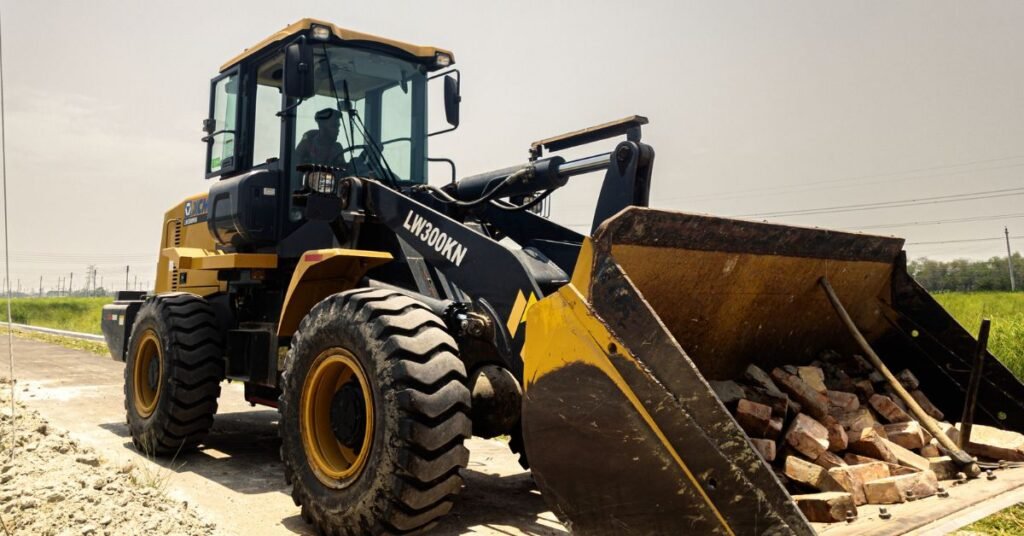
Compact track loaders are essential for demolition tasks in challenging terrains. Their track systems provide superior stability and traction, making them ideal for uneven surfaces. These machines effectively distribute weight, minimizing ground pressure and enhancing safety. With a range of attachments, compact track loaders adapt to various demolition needs. As the demand for efficient machinery grows, understanding the nuances of these loaders becomes increasingly important for industry professionals. What factors should be considered when selecting the right model?
Compact track loaders are versatile machines designed for a variety of construction, landscaping, and agricultural applications. Their history overview reveals a development trajectory that began in the mid-20th century, evolving from traditional wheeled skid-steer loaders to the more adaptable tracked models seen today. This design evolution was driven by the need for increased stability and traction on uneven or soft terrain, addressing limitations of wheeled counterparts. The incorporation of tracks allows these loaders to distribute weight more evenly, considerably reducing ground pressure and enhancing mobility across diverse surfaces. Over the decades, advancements in hydraulic systems, engine technology, and operator comfort have further refined their capabilities. As a result, compact track loaders have become indispensable tools in modern construction, offering efficiency and versatility that cater to a wide range of operational demands. Their continued evolution reflects ongoing innovations in engineering and design, ensuring relevance in an ever-changing industry landscape.
The design of compact track loaders incorporates several key features that enhance their functionality and performance across various tasks. Their compact design allows for maneuverability in tight spaces, making them ideal for demolition work in urban environments. Equipped with rubber tracks, these loaders provide better traction and stability on uneven terrain, reducing ground pressure and minimizing damage to sensitive surfaces.
Operator comfort is also a significant consideration; many models feature ergonomic controls and spacious cabs, which help reduce fatigue during extended operation. Advanced hydraulic systems guarantee precise control of attachments, enabling operators to perform a variety of tasks efficiently. Additionally, compact track loaders often include easy maintenance access points, allowing for quick servicing and reducing downtime. These features collectively contribute to the versatility and effectiveness of compact track loaders in diverse demolition scenarios, making them a preferred choice in the industry.
Compact track loaders offer significant advantages in demolition applications due to their enhanced stability and traction, which enable safe operation on uneven terrain. Additionally, the versatility of attachment options allows operators to customize the equipment for various demolition tasks, improving overall efficiency. These features make compact track loaders a valuable asset in the demolition industry, facilitating precise and effective performance.
When working in demolition environments, enhanced stability and traction are critical factors that contribute to operational efficiency and safety. Compact track loaders are specifically designed with advanced tread design and lower ground pressure, allowing them to navigate uneven terrain and provide superior grip. This results in reduced risk of tipping and slippage, which is essential in demolition tasks that often involve debris and unstable surfaces.
| Feature | Description |
|---|---|
| Tread Design | Optimized for grip and traction |
| Ground Pressure | Minimizes soil disturbance |
| Stability | Low center of gravity enhances safety |
| Terrain Adaptability | Effectively handles rough surfaces |
The combination of these attributes makes compact track loaders indispensable in ensuring consistent performance during demolition projects.
Equipped with versatile attachment options, compact track loaders greatly enhance their utility in demolition operations. The ability to adapt these machines for various tasks greatly improves operational efficiency, ensuring that projects can be completed swiftly and effectively. Key attachments that contribute to this versatility include:
These attachment options not only provide attachment versatility but also enable operators to tackle a range of demolition challenges with precision, ultimately leading to enhanced productivity on job sites.
When comparing compact track loaders to traditional loaders, several key factors emerge, including maneuverability, weight distribution, and versatility. Compact track loaders excel in tight spaces due to their smaller footprint and superior traction, while their weight distribution offers enhanced stability on uneven surfaces. Additionally, the adaptability of compact track loaders for various tasks makes them a favorable choice in diverse operational environments.
Although traditional loaders excel in various applications, compact track loaders offer superior maneuverability in tight spaces, making them ideal for urban construction sites and confined job environments. Their design promotes agile movement, allowing operators to navigate challenging terrains effectively.
Key aspects contributing to their maneuverability include:
These attributes collectively enhance operational efficiency in tight access scenarios, making compact track loaders a valuable asset for demolition and construction projects.
Maneuverability in tight spaces is only one aspect of the overall performance of compact track loaders; weight distribution and stability play a significant role in their operational efficiency as well. Effective weight management in these machines allows for ideal load handling, reducing the risk of tipping during operation. Compact track loaders typically feature a lower center of gravity compared to traditional loaders, enhancing stability factors on uneven terrain. This design enables them to navigate challenging environments while maintaining traction and balance. Additionally, the distribution of weight across the tracks helps to minimize ground pressure, further improving stability and reducing soil compaction. As a result, compact track loaders provide a reliable solution for demolition work in tough conditions, outperforming their traditional counterparts.
While traditional loaders have long been a staple in heavy machinery, compact track loaders have emerged as a versatile alternative capable of handling a wide range of tasks across various environments. Their task flexibility enhances project efficiency, making them ideal for diverse applications. Key advantages include:
This adaptability makes compact track loaders essential tools in modern construction and demolition operations.
Compact track loaders are versatile machines well-suited for a variety of applications across different industries. Their design allows them to excel in ideal job sites such as landscaping, construction, and agriculture. In landscaping, compact track loaders are employed for grading, soil movement, and planting, thanks to their maneuverability and compact size. In construction, they are instrumental in site preparation, material handling, and demolition tasks, leveraging their powerful hydraulic systems for efficiency. Agricultural applications include tasks like tilling and hauling feed, where their stability on uneven terrain enhances productivity. The compact loader advantages include reduced ground pressure, making them effective on soft or sensitive surfaces without causing damage. Their ability to accommodate various attachments further amplifies their functionality, allowing operators to switch tools depending on the task at hand. Overall, compact track loaders prove invaluable in environments demanding flexibility and power.
Compact track loaders are engineered to excel in challenging environments, thanks to their enhanced traction features that optimize grip on uneven surfaces. Their unique track systems distribute weight effectively, minimizing ground pressure and preventing damage to sensitive terrain. Additionally, versatile attachment options allow operators to adapt these machines for various tasks, further enhancing their capability in tough conditions.
When maneuvering challenging terrains, the enhanced traction features of track loaders play an essential role in ensuring operational efficiency and stability. The integration of advanced grip technology and innovative track design enables these machines to perform effectively in diverse conditions.
Key aspects include:
These features collectively empower compact track loaders to excel in tough terrain demolition work.
The versatility of attachment options greatly enhances the operational capabilities of track loaders, allowing them to tackle a variety of tasks in challenging terrains. These machines can be outfitted with an array of attachments, including buckets, augers, and hydraulic breakers, which greatly improve attachment efficiency. Such adaptability enables operators to perform diverse functions, from excavation to demolition, without needing multiple machines. In addition, attachment compatibility is essential; modern compact track loaders are designed to accommodate various attachment types seamlessly. This compatibility guarantees that operators can quickly switch tools, minimizing downtime and maximizing productivity. By leveraging these versatile attachments, compact track loaders effectively navigate and manipulate tough terrain, making them indispensable in demolition and construction projects.
Enhancing safety on demolition sites is vital, as these environments often present numerous hazards that can jeopardize worker safety. Utilizing compact track loaders can greatly improve safety protocols by providing enhanced stability and maneuverability on uneven terrain. Effective site assessments are essential to identify potential risks and guarantee proper loader operation.
Key safety measures include:
Proper maintenance of compact track loaders is essential for ensuring ideal performance and longevity. Implementing a preventive maintenance schedule is critical, as it helps to identify potential issues before they escalate into costly repairs. Routine inspections should be conducted regularly, focusing on important components such as the hydraulic system, tracks, and engine. Operators should check fluid levels, including engine oil, coolant, and hydraulic fluid, ensuring they are within recommended ranges.
Additionally, monitoring track wear is significant; any signs of damage or excessive wear may necessitate immediate replacement to maintain best traction. Cleaning the loader after use prevents buildup of debris that can impair functionality. Greasing moving parts according to manufacturer specifications minimizes friction and wear. By adhering to these maintenance practices, operators can enhance the reliability and efficiency of compact track loaders, ultimately extending their service life in demanding demolition environments.
Selecting the appropriate compact track loader for a project involves careful consideration of several key factors. Operating weight is critical to guarantee peak performance and stability, while attachment compatibility affects the versatility of the loader for various tasks. Additionally, evaluating terrain adaptability features is essential for maximizing efficiency across different job sites.
Operating weight is a critical factor in choosing the appropriate compact track loader for specific project requirements. Understanding the interplay between operating weight and load capacity is essential for ideal performance and safety.
Compatibility of attachments is a fundamental consideration when choosing a compact track loader for specific projects. Various attachment types, such as buckets, forks, and grapples, require different compatibility standards to guarantee peak performance. It is vital to evaluate the loader’s hydraulic system, lift capacity, and attachment mounting interface before selection. Manufacturers often provide detailed specifications outlining compatible attachments, which can prevent operational inefficiencies and enhance safety. Additionally, understanding the intended application and terrain can further inform attachment selection, making certain that the compact track loader can effectively meet project demands. Adhering to compatibility standards not only maximizes productivity but also extends the lifecycle of both the loader and its attachments, making informed choices essential for successful operations.
When evaluating a compact track loader for specific projects, understanding its terrain adaptability features becomes paramount. These features directly influence loader performance in challenging environments. Key aspects to examine include:
Although demolition projects vary widely in scope and complexity, successful case studies often highlight the pivotal role of compact track loaders in enhancing efficiency and safety. In urban environments, where space constraints are significant, these machines have been integral in employing advanced demolition techniques. For instance, a recent project involving the dismantling of a multi-story building showcased how compact track loaders facilitated precise material removal while minimizing debris spread. Project management teams reported that these machines improved timelines and reduced labor costs by streamlining operations.
In another case, a complex site with uneven terrain required innovative solutions. The adaptability of compact track loaders allowed operators to navigate obstacles effectively, ensuring that critical deadlines were met without compromising safety. These examples underscore the importance of integrating compact track loaders into demolition strategies, ultimately leading to more successful project outcomes and enhanced operational efficiency in challenging environments.
Effective operator training and skill development are essential components in maximizing the performance of compact track loaders on demolition sites. Proper training guarantees that operators are equipped with the necessary skills and knowledge to handle complex tasks safely and efficiently. Emphasizing operator certifications and thorough skill assessments can considerably enhance operational effectiveness.
Investing in structured training programs not only improves performance but also minimizes the risk of accidents, thereby contributing to safer demolition environments.
Compact track loaders play an important role in modern construction and demolition projects, but their environmental impact cannot be overlooked. The operation of these machines contributes to greenhouse gas emissions, primarily due to their diesel engines. However, advancements in emissions reduction technologies have led to the development of more efficient engines and alternative fuel options, such as biofuels and electric power sources, which mitigate their carbon footprint. Implementing sustainability practices during project execution can further enhance their environmental performance. For instance, utilizing compact track loaders with lower emissions can help companies meet regulatory standards while operating in sensitive environments. Additionally, adopting best practices, such as minimizing soil disturbance and optimizing equipment usage, can greatly reduce the overall ecological impact. As the industry evolves, focusing on these environmental aspects will be vital for maintaining compliance and promoting sustainable construction practices within the sector.
As the construction industry continues to evolve, innovations in compact track loader technology are poised to greatly enhance their efficiency and versatility. Key future trends include:
Autonomous Operation: The integration of advanced sensors and AI will enable loaders to operate without direct human intervention. This can greatly reduce labor costs and increase safety on job sites.
Smart Technology: Enhanced telematics systems will provide real-time data on equipment performance, fuel usage, and maintenance needs, allowing for proactive management and optimization of operations.
Improved Attachments: Development of specialized attachments equipped with smart technology will expand the functionality of compact track loaders, making them suitable for a wider range of tasks, from excavation to demolition.
These trends indicate a shift towards more efficient, safer, and versatile compact track loaders, positioning them as indispensable tools in modern construction and demolition projects.
When deciding between renting or purchasing a compact track loader, one must carefully assess the specific needs and circumstances of the project at hand. Rental costs can be considerably lower for short-term projects, allowing businesses to allocate funds elsewhere while avoiding maintenance and storage expenses. However, frequent rentals can accumulate, potentially exceeding the purchase price over time.
On the other hand, the purchase benefits include long-term availability and the ability to customize the loader according to specific project requirements. Ownership also provides predictable operational costs, as no rental fees apply, and it can enhance the asset’s value over time.
Ultimately, the decision hinges on project duration, financial constraints, and anticipated usage frequency. A thorough evaluation of these factors will enable businesses to make an informed choice between renting and purchasing a compact track loader, aligning with both current and future operational needs.
The construction and landscaping industries are experiencing a notable surge in the demand for compact track loaders, driven by their versatility and efficiency in various applications. This trend reflects broader market growth and evolving industry needs. Key factors contributing to this rising demand include:
These industry trends indicate a shift towards more compact equipment that meets the challenges of modern construction and landscaping projects. Companies are recognizing the value of investing in compact track loaders to enhance productivity and efficiency.