Demolition cranes and wrecking balls play an essential role in the safe dismantling of structures. Operators must employ strict rigging and control protocols to guarantee safety. Proper load calculations and equipment maintenance are fundamental to prevent accidents. This discussion will explore the intricacies of rigging techniques, the significance of communication on-site, and the training required for operators. Understanding these factors is crucial for maintaining safety and efficiency in demolition operations. What challenges arise in implementing these practices?
Demolition cranes and wrecking balls serve as integral components in the field of structural dismantling, enabling the efficient and controlled dismantling of buildings and other large structures. These demolition techniques utilize the mechanical advantage and reach of cranes to position wrecking balls with precision. The wrecking ball’s immense weight generates significant kinetic energy, effectively breaking down structural elements upon impact.
Safety protocols are paramount when employing these equipment. Wrecking safety measures include evaluating surrounding areas for potential hazards and ensuring that all personnel maintain a safe distance during operation. Additionally, operators must be trained in the precise maneuvering of cranes to avoid unintended damage to adjacent structures or injuries to workers.
In the context of demolition operations, adherence to essential rigging techniques is critical for ensuring safety. This includes accurately evaluating load weights, establishing secure anchor points, and utilizing appropriate rigging equipment. Each of these factors plays a crucial role in preventing accidents and maintaining structural integrity during the demolition process.
Accurate load weight assessment is a critical component of safe rigging practices in demolition operations. This process begins with determining the total weight of the load, which must be thoroughly evaluated to guarantee it does not exceed the equipment’s load capacity. Operators must consult manufacturer specifications and verify the weight limit of cranes and wrecking balls employed in the task. Utilizing calibrated scales or load cells can enhance accuracy in measuring the load. Additionally, factors such as dynamic forces and potential shifts in load during operation must be considered, as they can affect overall weight distribution. Proper load weight assessment mitigates risks associated with rigging failures, guaranteeing the safety of personnel and the integrity of the demolition operation.
Secure anchor points are fundamental to ensuring safety during rigging operations in demolition projects. The selection of appropriate anchor point types—such as fixed, mobile, or temporary—is critical for achieving stability and load distribution. Each type serves distinct purposes depending on the operational requirements and the structural integrity of surrounding elements. Additionally, the choice of anchor point materials, including steel, synthetic fibers, or concrete, greatly influences the overall strength and durability of the rigging system. Steel is often preferred for its high tensile strength, while synthetic options may provide flexibility and lightweight properties. Properly evaluating and securing these anchor points mitigates risks, ensuring that loads are effectively managed and reducing the likelihood of accidents during demolition activities.
Proper rigging equipment is essential for maintaining safety and efficiency during demolition operations. The selection of appropriate rigging materials plays a critical role in ensuring that loads are handled securely and effectively. Commonly used rigging materials include wire ropes, synthetic slings, and chains, each possessing unique properties suited for specific tasks. Equipment selection must account for load weight, environmental conditions, and potential hazards. It is imperative to adhere to manufacturer specifications and industry standards when choosing rigging equipment, as improper selection can lead to catastrophic failures. Regular inspections of rigging materials are also necessary to identify wear and tear, ensuring continued operational safety. By prioritizing proper rigging equipment, demolition teams can mitigate risks and enhance overall job site safety.
Reliability in demolition operations hinges on the consistent maintenance of equipment such as cranes and wrecking balls. Preventive maintenance is essential to guarantee peak performance and safety standards. Regular inspections, lubrication, and timely repairs minimize the risk of equipment failure during critical operations, thereby protecting both personnel and property.
Establishing a rigorous maintenance schedule enhances equipment longevity, allowing for the efficient execution of demolition tasks. Components such as hydraulic systems, cables, and structural elements must be routinely assessed for wear and tear. This proactive approach not only extends the lifespan of costly machinery but also reduces the likelihood of unexpected downtimes, which can lead to project delays and increased costs.
Ultimately, a well-maintained fleet of demolition equipment is a cornerstone of operational effectiveness, guaranteeing that projects are completed on time while adhering to safety regulations and industry standards.
Selecting appropriate rigging gear is integral to the success of demolition operations, particularly when using cranes and wrecking balls. The choice of rigging materials directly impacts safety and efficiency, making it crucial to guarantee gear compatibility with the specific equipment in use.
Accurate load calculations and effective weight distribution are critical components in the planning stages of demolition operations involving cranes and wrecking balls. Proper load dynamics must be evaluated to guarantee that the forces exerted during the demolition do not exceed the crane’s rated capacity. This involves calculating the total weight of the structure being dismantled, including any additional rigging gear.
Weight balance plays an essential role in maintaining stability during the operation. Uneven weight distribution can lead to tipping or swinging, increasing the risk of accidents. Operators must consider the center of gravity of the load and adjust rigging points accordingly.
Utilizing software and engineering principles aids in precise load calculations, guaranteeing that the demolition process remains safe and efficient. Regular assessments of both load limits and weight distribution strategies will contribute to successful outcomes and minimize hazards associated with demolition activities.
Effective communication protocols on the job site are essential for guaranteeing safety and efficiency during demolition operations involving cranes and wrecking balls. Clear job site communication promotes effective messaging among team members, thereby reducing the risk of accidents.
Key components of effective communication protocols include:
In the context of demolition operations, several common hazards necessitate rigorous safety protocols. Equipment inspection protocols, operator training requirements, and thorough site safety measures are essential components for mitigating risks. Ensuring adherence to these standards can greatly enhance safety and efficiency in demolition activities.
Thorough equipment inspection protocols are essential for ensuring the safety and efficiency of demolition operations involving cranes and wrecking balls. Adhering to equipment standards and safety regulations greatly reduces the risk of accidents. The following inspection checklist should be employed:
While the operation of demolition cranes and wrecking balls presents inherent risks, proper operator training is essential to mitigating these hazards. Effective training programs must encompass thorough instruction on equipment operation, load handling, and emergency response procedures. Operators should possess specific qualifications, including certifications that validate their competency in safely maneuvering demolition machinery. Additionally, training programs should incorporate simulations of potential hazardous scenarios, allowing operators to develop critical decision-making skills under pressure. Continuous education and refresher courses are necessary to keep operators updated on evolving safety standards and equipment technology. By ensuring that operators meet the required qualifications through rigorous training, companies can greatly reduce the likelihood of accidents and enhance overall site safety during demolition operations.
Demolition sites are fraught with various hazards that pose significant risks to personnel and the surrounding environment. Effective site safety measures are essential to mitigate these dangers, which can include:
Effective training and certification programs for operators of demolition cranes and wrecking balls are essential to ensuring safety and operational efficiency in construction and demolition sites. These programs focus on imparting critical knowledge related to equipment handling, load management, and safety protocols. Operators must meet specific qualifications that demonstrate their competency in operating heavy machinery under varying conditions.
Certification programs typically consist of both theoretical and practical components, ensuring that operators understand the mechanics of the equipment and the implications of their actions. Regular assessments and refresher courses are also integral to maintaining operator qualifications, adapting to new technologies and regulations.
Furthermore, adherence to industry standards, such as those set by the Occupational Safety and Health Administration (OSHA), enhances the overall safety culture on site. Ultimately, a well-trained workforce minimizes risks associated with demolition operations, safeguarding personnel and property alike.
Safety in demolition operations is reinforced by examining case studies that showcase successful practices. By adhering to established best practices and industry standards, these cases illustrate effective risk management and operational efficiency.
These examples serve as a framework for enhancing safety protocols, emphasizing the importance of careful planning and execution in demolition operations.
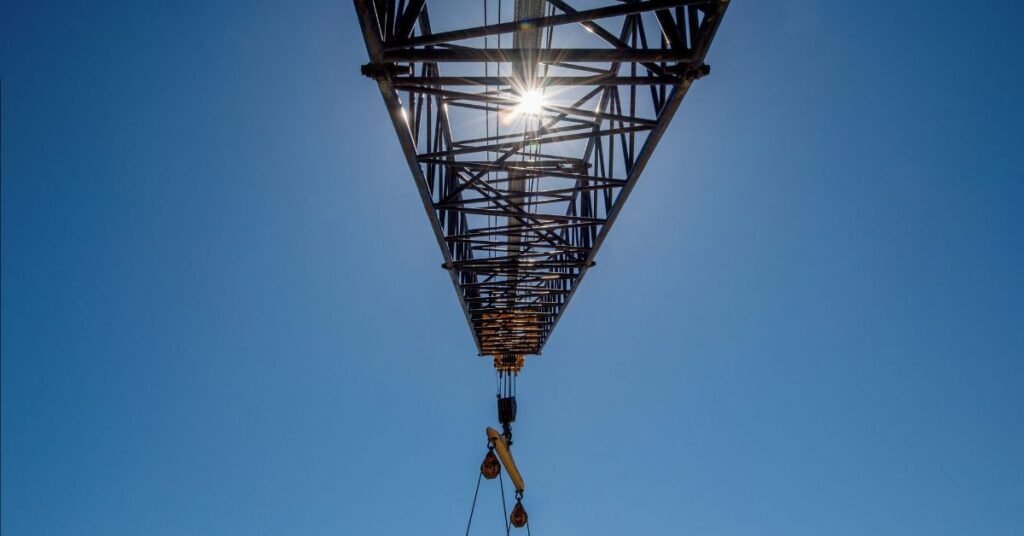
The towering silhouette of a demolition crane looms over a site, casting shadows as it prepares for its task. Costs associated with crane rental typically encompass daily or hourly fees, transportation, and operational expenses. Additional factors, such as the crane’s capacity, rental duration, and specialized attachments, influence overall demolition costs. Proper budgeting should account for potential delays and site-specific challenges, ensuring a thorough estimation of the financial commitment required for efficient crane utilization.
Weather conditions greatly impact demolition operations, necessitating meticulous weather monitoring. Adverse weather, such as high winds, rain, or snow, can compromise safety and operational efficiency. Consequently, strict safety protocols must be implemented to mitigate risks associated with these conditions. Operators must assess weather forecasts regularly and adjust schedules or halt operations to guarantee the safety of personnel and equipment. Proper planning and adherence to protocols are essential for successful demolition in varying weather scenarios.
For demolition projects, obtaining the necessary demolition permits is vital for regulatory compliance. Typically, these permits guarantee that the demolition adheres to local safety, environmental, and zoning regulations. The specific requirements may vary by jurisdiction, often necessitating detailed plans and inspections. Failure to secure the appropriate permits can lead to legal repercussions and project delays. As a result, understanding the permit process is essential for effective project management and successful demolition operations.
In the construction industry, approximately 30% of equipment is underutilized, highlighting a need for versatility. Demolition cranes can indeed be repurposed for alternative applications in construction, such as lifting heavy materials or facilitating structural adjustments. Their design allows for precision and efficiency, making them valuable assets beyond demolition. This construction versatility not only optimizes resource allocation but also enhances project timelines, demonstrating the adaptability of specialized machinery in various construction contexts.
Demolition activities notably impact the environment, primarily through air quality degradation and noise pollution. The process often releases dust and harmful particulate matter into the atmosphere, compromising air quality and posing health risks to nearby populations. Additionally, the machinery and equipment used generate substantial noise, contributing to surrounding noise pollution levels. Mitigating these effects requires careful planning and adherence to regulations to minimize environmental harm during demolition operations.