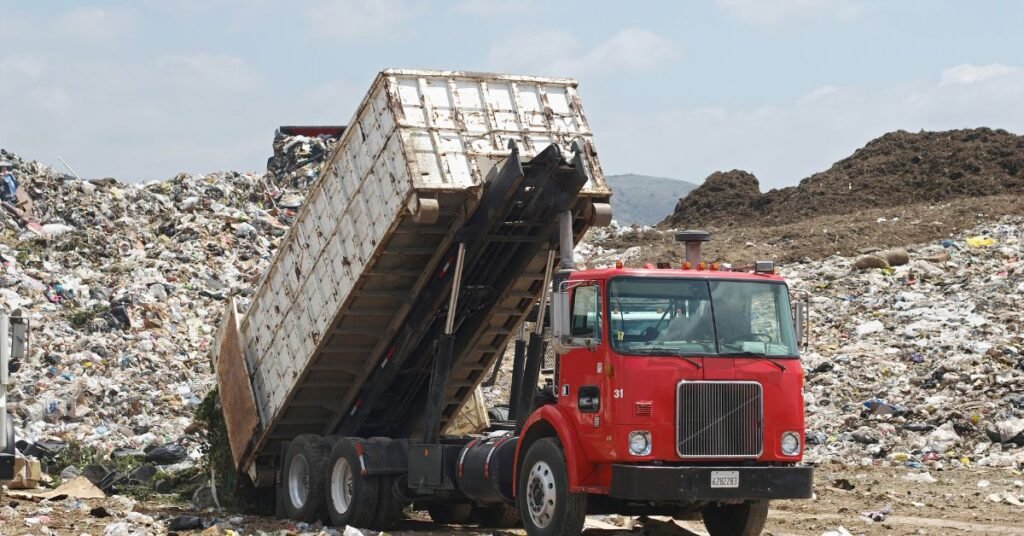
Hook-lift trucks represent a significant advancement in the transport of demolition waste. Their design allows for the rapid interchange of various container types, enhancing operational efficiency. With features such as compact maneuverability and advanced safety systems, these trucks are particularly suited for urban environments. However, understanding the full scope of their capabilities and potential applications necessitates a closer examination of their mechanics and industry impact. What factors contribute to their growing popularity?
Although the concept of hook-lift trucks may seem straightforward, their design and functionality encompass a range of technical features that enhance versatility in various industries. These vehicles are characterized by their ability to interchange containers rapidly, catering to diverse operational needs. Key hook lift truck specifications include payload capacity, typically ranging from 10,000 to 30,000 pounds, and hydraulic systems that facilitate efficient lifting and lowering of containers. The frame design is engineered for stability and durability, ensuring performance in rugged environments. Leading hook lift truck manufacturers have invested in advanced technology, integrating features like automated controls and enhanced safety measures, which are essential for effective waste management and transportation tasks. Understanding these specifications helps operators select the right model for specific applications, ensuring ideal functionality and efficiency in tasks such as demolition waste transport, construction site management, and recycling operations.
Hook-lift trucks are characterized by their versatile load capacity, allowing for the transport of various materials and containers with ease. This adaptability is complemented by their efficient container switching mechanism, which facilitates quick changes between different load types. These features enhance operational efficiency, making hook-lift trucks a valuable asset in diverse industries.
A diverse range of load capacities characterizes hook-lift trucks, making them an indispensable asset in various industries. Their design facilitates superior load adaptability, enabling efficient transport of varying materials without compromising weight distribution. This versatility is vital in sectors such as construction and waste management, where payloads can differ considerably.
| Load Capacity (tons) | Suitable Applications | Key Advantages |
|---|---|---|
| 5 | Small debris removal | Lightweight, maneuverable |
| 10 | Medium construction waste | Balanced weight distribution |
| 20 | Heavy industrial loads | Enhanced stability |
The technical specifications of hook-lift trucks guarantee peak performance, with robust mechanisms designed to handle diverse loads while maintaining safety and operational efficiency.
Container switching is a pivotal feature of hook-lift trucks, enabling operators to efficiently interchange various types of containers without extensive downtime. This capability greatly enhances operational flexibility, allowing for swift alterations between different waste types or job sites. Easy container switching benefits include reduced labor costs and improved workflow efficiency, as fewer personnel are required to manage container changes. Additionally, container switching techniques—such as hydraulic lifting systems and automated locking mechanisms—ensure secure and precise container engagement and disengagement. These advancements in technology contribute to safer operations and minimize the risk of accidents during the switching process. Consequently, the integration of these features positions hook-lift trucks as an essential asset in waste management and demolition applications.
While many industries require versatile transportation solutions, the advantages of utilizing hook-lift trucks become evident through their unique design and operational capabilities. These trucks are engineered for efficiency and safety, making them ideal for handling demolition waste. Key advantages include:
These attributes highlight the practicality of hook-lift trucks, positioning them as indispensable assets in industries demanding reliable and adaptable transport solutions.
The integration of hook-lift trucks into waste management systems facilitates streamlined loading processes, greatly reducing time and labor costs associated with traditional methods. Additionally, these vehicles enable enhanced route optimization, allowing for more efficient collection schedules that minimize fuel consumption and operational delays. Coupled with versatile container options, hook-lift trucks provide adaptable solutions to various waste types, ultimately improving overall efficiency in waste management operations.
Efficient waste management relies heavily on the ability to streamline loading processes, which can considerably reduce operational costs and time. The integration of advanced container design enhances loading efficiency, allowing for quicker deployment and retrieval of waste containers.
Key aspects contributing to streamlined loading processes include:
These elements collectively boost the overall efficiency of waste management operations, promoting a more effective approach to handling demolition waste.
How can enhanced route optimization transform waste management operations? This methodology employs advanced route analysis techniques, allowing for the identification of the most efficient paths for hook-lift trucks. By integrating real-time data on traffic management, waste management companies can minimize delays caused by congestion or road closures. Enhanced route optimization not only shortens travel times but also reduces fuel consumption and operational costs. In addition, it enables better scheduling of pickups and drop-offs, ensuring timely waste disposal and improved service reliability. Ultimately, these efficiencies contribute to a more sustainable waste management system, facilitating quicker responses to changing demands while maintaining compliance with regulatory standards. Enhanced route optimization proves essential in modernizing and streamlining waste transport functions.
While traditional waste management systems often rely on a limited range of container types, the adoption of versatile container options greatly enhances operational efficiency. These containers can be tailored to meet specific project demands through a variety of container customization options and size variations. This adaptability allows for optimized space utilization and improved waste handling processes.
Key benefits of versatile container options include:
Although the primary function of hook-lift trucks is to transport a variety of containers, their versatility extends beyond mere functionality to encompass a wide range of container types, including open-top, flatbed, and roll-off containers. This adaptability allows for effective load customization tailored to specific project requirements. Open-top containers facilitate easy loading and unloading of bulk materials, while flatbed designs accommodate oversized equipment and structures. Roll-off containers, commonly utilized for waste management, can be quickly swapped out, enhancing operational efficiency.
The dynamic nature of hook-lift trucks enables operators to select the most suitable container type for each job, optimizing transportation logistics. Additionally, the ability to interchange containers minimizes downtime and maximizes productivity, essential in demolition and construction environments. Such container adaptability not only streamlines processes but also guarantees compliance with varying regulatory standards governing waste disposal and material transport.
The adaptability of hook-lift trucks extends to their ability to navigate tight spaces, a significant advantage in urban and congested environments. Their compact maneuverability allows them to efficiently operate where larger vehicles cannot, making them ideal for urban demolition projects. This capability enhances productivity and reduces potential delays associated with site access issues.
Key features contributing to their effectiveness in tight spaces include:
These attributes guarantee hook-lift trucks can perform efficiently in challenging urban settings, maintaining productivity while adhering to safety protocols.
The cost-effectiveness of hook-lift trucks can be attributed to their ability to markedly reduce operating expenses while providing versatile load management solutions. By facilitating quicker loading and unloading processes, these vehicles optimize time utilization, resulting in enhanced operational efficiency. Consequently, organizations can achieve greater value from their investment in hook-lift technology.
A significant advantage of hook-lift trucks lies in their ability to reduce operating expenses, making them a cost-effective solution for various industries. The operational efficiency they provide translates directly into substantial cost savings. Key factors contributing to their economic benefits include:
These elements collectively enhance the cost-effectiveness of hook-lift trucks, making them an attractive option for businesses focused on improving their bottom line.
Maximizing load versatility stands as a hallmark of hook-lift trucks, enhancing their cost-effectiveness across various applications. These vehicles employ advanced load distribution strategies that allow for the efficient management of diverse materials, from construction debris to recyclable waste. Their unique design permits rapid switching between different container types, facilitating adaptive transport solutions tailored to specific project demands. This flexibility not only minimizes downtime but also optimizes payload capacity, resulting in lower operational costs. In addition, the ability to transport multiple waste types simultaneously reduces the need for multiple vehicles, streamlining logistics and enhancing overall efficiency. Consequently, hook-lift trucks emerge as a pragmatic choice for businesses seeking to balance operational flexibility with financial sustainability in waste management and transportation sectors.
While traditional vehicles often involve lengthy loading and unloading processes, hook-lift trucks greatly enhance time efficiency through their innovative design and operational capabilities. This efficiency directly contributes to effective time management and task prioritization on demolition sites.
Key advantages include:
Efficient waste transport through the use of hook-lift trucks greatly reduces the environmental impact associated with waste management. These vehicles are designed to facilitate the rapid collection and disposal of demolition waste, thereby promoting sustainable practices. By optimizing load capacity and minimizing the number of trips required for waste transport, hook-lift trucks contribute considerably to waste reduction. Their versatility allows for the seamless changeover between different types of containers, accommodating a variety of materials while reducing emissions associated with transportation. Additionally, the ability to manage multiple sites with a single vehicle enhances operational efficiency and decreases the carbon footprint of waste management activities. The integration of hook-lift trucks into waste transport strategies not only supports compliance with environmental regulations but also encourages the adoption of best practices in sustainable waste management, ultimately fostering a cleaner, more sustainable environment.
Safety considerations for operators of hook-lift trucks are critical to ensuring accident-free operation. Thorough training programs must be implemented to equip operators with the necessary skills and knowledge regarding equipment handling and safety protocols. Additionally, the appropriate use of personal protective equipment (PPE) is essential to mitigate risks associated with potential hazards during operation.
Guaranteeing that operators of hook-lift trucks receive thorough training is essential for minimizing risks associated with their operation. Effective training programs should encompass various aspects to guarantee operator certification and safety. Key components of these training programs include:
Implementing these elements in training regimes is critical for cultivating skilled and responsible operators of hook-lift trucks.
Proper personal protective equipment (PPE) is essential for operators of hook-lift trucks, as it plays an important role in mitigating hazards associated with the operation of heavy machinery. The selection of appropriate personal protective equipment types is critical in ensuring operator safety. Essential safety gear typically includes hard hats to protect against falling objects, high-visibility vests for enhanced visibility, gloves for hand protection, and steel-toed boots to prevent foot injuries. Additionally, eye protection is paramount, particularly when working in environments with debris. Hearing protection may also be necessary due to noise exposure from the machinery. By adhering to these safety gear essentials, operators can greatly reduce the risk of accidents and injuries, fostering a safer working environment.
Advancements in technology have greatly enhanced the functionality and efficiency of hook-lift trucks, transforming their operation and applications across various industries. The integration of smart technology and automation has redefined how these vehicles manage demolition waste transport. Key technological features include:
These innovations not only improve operational capabilities but also increase safety and sustainability within the waste management sector. By leveraging these advancements, hook-lift trucks can meet the evolving demands of modern industries while optimizing their performance.
While both hook-lift trucks and traditional dump trucks serve essential roles in material transport, significant differences exist in their design and operational capabilities. Hook-lift trucks offer notable advantages, including the ability to quickly switch between different containers, facilitating diverse material handling needs without the downtime associated with traditional unloading methods. This flexibility allows for a more efficient workflow, particularly in demolition scenarios where varied waste types are common.
Conversely, dump trucks exhibit limitations, primarily related to their fixed bed design, which restricts their utility to a single type of load. Their operational efficiency can be hindered by the time required for unloading, as they must return to a designated site to deposit materials. Additionally, dump trucks often lack the versatility to accommodate multiple container types, which can limit their effectiveness in dynamic work environments. Hence, the hook-lift truck emerges as a more adaptable solution for modern transport challenges.
Numerous case studies illustrate the successful implementation of hook-lift trucks across various industries, highlighting their operational efficiency and versatility. These vehicles have been adopted in construction, waste management, and municipal services, demonstrating significant advantages over traditional transport methods.
Key findings from these case studies indicate:
Such successful implementations showcase how hook-lift trucks can streamline operations and adapt to varying project requirements, making them a preferred choice for companies focused on efficiency and sustainability. The evidence from these case studies supports the growing trend toward adopting hook-lift technology in sectors that demand reliable and versatile transport solutions.
Effective maintenance is essential for ensuring the longevity and ideal performance of hook-lift trucks. Adhering to systematic maintenance schedules can prevent costly downtime and enhance operational efficiency. Regular inspections should focus on critical components, including hydraulic systems, brakes, and tires.
Common repairs often include hydraulic leaks, worn-out seals, and electrical issues. Implementing a proactive approach to maintenance can mitigate these problems.
| Maintenance Task | Frequency | Common Issues |
|---|---|---|
| Hydraulic fluid check | Monthly | Leaks, contamination |
| Brake inspection | Quarterly | Worn pads, failure |
| Tire rotation | Every 5,000 miles | Uneven wear |
| Electrical system check | Biannually | Short circuits |
| Overall inspection | Annually | Structural integrity |
Advancements in hook-lift truck design are increasingly shaped by the need for enhanced efficiency, sustainability, and operator safety. Future trends focus on integrating innovative concepts that cater to these demands. Key developments include:
The convergence of these elements not only maximizes performance but also positions hook-lift trucks as pivotal tools in the evolving landscape of demolition waste transport. As the industry embraces these trends, the potential for increased productivity and responsibility grows, aligning operational goals with environmental stewardship.
When selecting a hook-lift truck, what key factors should be considered to guarantee peak performance for specific operational requirements? First, it is essential to evaluate the payload capacity, which should align with the weight of materials typically handled. Truck specifications, including hydraulic power and lift height, must also meet the demands of the intended applications, such as demolition or waste management.
Additionally, the truck’s maneuverability is vital, particularly in confined spaces, which necessitates consideration of its turning radius and overall dimensions. Fuel efficiency and maintenance needs are other important factors, impacting long-term operational costs. Moreover, evaluating the availability of compatible containers is necessary to assure versatility in transporting various materials. Ultimately, a thorough evaluation of these elements will help determine the most suitable hook-lift truck tailored to specific needs, enhancing both productivity and operational efficiency in diverse settings