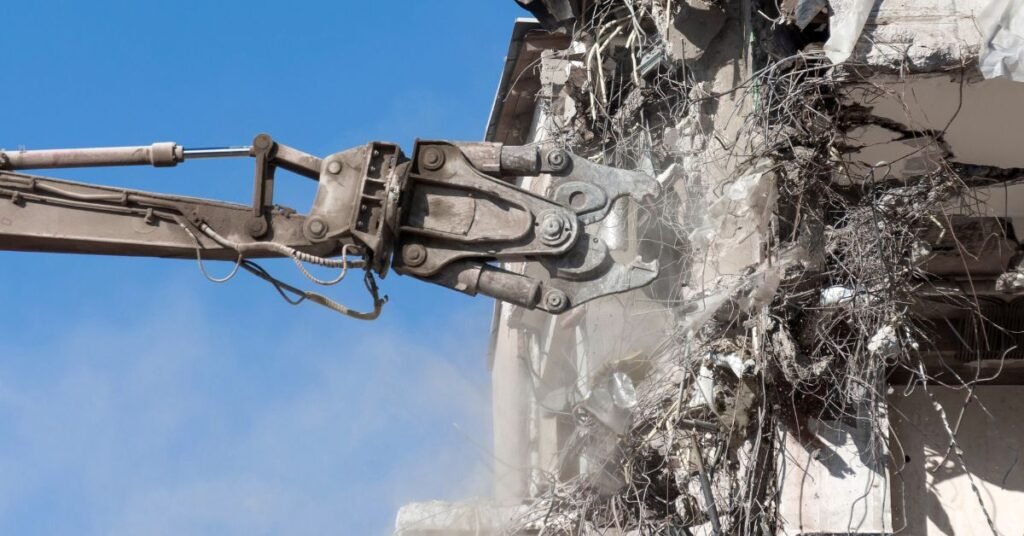
Hydraulic shears play an essential role in the demolition industry, particularly for cutting steel and rebar with precision. These tools utilize hydraulic power to generate significant cutting force, ensuring clean and efficient cuts. Their design accommodates various demolition applications, enhancing operational efficiency. As technology advances, the capabilities and features of hydraulic shears continue to evolve. Understanding these innovations is vital for maximizing effectiveness in demolition projects. What developments are shaping the future of hydraulic shear technology?
Hydraulic shears are specialized cutting tools designed for heavy-duty applications, particularly in demolition and metal recycling. These tools utilize hydraulic power to exert significant force, allowing them to cut through various materials, including steel and rebar. There are several hydraulic shear types, including portable shears for on-site jobs and stationary models for industrial use. Each type is tailored to specific applications and can vary in size and capacity.
The effectiveness of hydraulic shears is influenced by the shear blade materials used in their construction. Common materials include high-carbon steel and alloyed steels, which provide durability and resistance to wear. The choice of blade material affects cutting efficiency and overall performance, making it a critical factor in selecting the appropriate hydraulic shear for a given task. Understanding these characteristics enables operators to optimize their equipment for specific demolition or recycling needs.
Hydraulic shears operate through a mechanism that utilizes hydraulic pressure to generate immense cutting force. Various types of shears are designed to handle specific demolition tasks, accommodating different materials and structural challenges. Understanding their mechanism of action and applications can enhance efficiency and effectiveness in demolition projects.
Utilizing high-pressure hydraulic fluid, hydraulic shears exert immense force to cut through various materials with precision and efficiency. The mechanism of action involves a hydraulic system that converts hydraulic pressure into linear cutting force. When the operator activates the shears, hydraulic fluid is directed into the cylinders, causing the blades to move toward each other. This movement generates significant cutting force, enabling the shears to slice through steel and rebar with ease. The design guarantees that the blades maintain sharp edges and proper alignment during operation, enhancing cutting performance. By leveraging the principles of fluid mechanics, hydraulic shears are able to perform demanding demolition tasks while minimizing operator effort and maximizing safety.
While various types of hydraulic shears exist, each is designed to meet specific demolition needs and material types. Common shear types include universal shears, which are versatile and can cut through a range of materials, and specialized shears, optimized for cutting steel or rebar. Shear designs vary in blade geometry and force application, affecting their efficiency and effectiveness. For instance, fixed-blade shears provide stability for heavy-duty applications, while rotating shears allow for enhanced maneuverability in tight spaces. Additionally, some designs incorporate multiple blades to improve cutting efficiency, enabling operators to handle larger volumes of material. Understanding these shear types and designs is essential for selecting the appropriate tool for demolition tasks.
The applications of hydraulic shears in demolition are vast and varied, leveraging their specialized designs for efficient material cutting. These tools are essential in modern demolition techniques, allowing for precise and safe dismantling of structures. Equipment advancements have greatly enhanced the performance and safety features of hydraulic shears, making them indispensable in the industry.
| Application | Benefits | Equipment Advancements |
|---|---|---|
| Steel Cutting | Quick, clean cuts | High-pressure systems |
| Rebar Removal | Minimizes structural damage | Enhanced control systems |
| Scrap Processing | Reduces waste and cost | Lightweight materials |
Hydraulic shears offer significant advantages in demolition tasks by providing enhanced cutting precision and increased operational efficiency. Their design allows for accurate cuts through various materials, minimizing waste and reducing the need for rework. Additionally, the hydraulic mechanism optimizes power usage, enabling faster project completion while maintaining safety standards.
Achieving enhanced cutting precision is a hallmark of hydraulic shears in demolition applications. These tools are engineered for superior cutting accuracy, allowing operators to execute clean cuts on steel and rebar with minimal effort. The precision engineering of hydraulic shears guarantees that the blades align perfectly, reducing the risk of jagged edges or unintentional damage to surrounding structures. This level of control not only improves the quality of the demolition process but also contributes to safety by minimizing the potential for debris during cutting operations. The hydraulic system provides consistent force, allowing for uniform cuts across various materials, which is essential for effective demolition. Overall, the enhanced cutting precision of hydraulic shears greatly improves the effectiveness of demolition projects.
Maximizing operational efficiency is a key advantage of using hydraulic shears in demolition projects. These tools enhance productivity metrics by enabling faster and more reliable cutting of steel and rebar, which directly impacts project timelines. By integrating hydraulic shears into operational strategies, demolition teams can streamline workflows, reduce labor costs, and minimize equipment downtime. The ability to perform precise cuts in challenging environments allows for safer operations, thereby lowering the risk of accidents and delays. Additionally, hydraulic shears can handle a variety of materials with ease, ensuring versatility in demolition tasks. Overall, the implementation of hydraulic shears considerably boosts operational efficiency, making them an invaluable asset in modern demolition practices.
The effectiveness of hydraulic shears in demolition applications is underscored by several key features that enhance their performance and usability. One prominent aspect is their exceptional cutting strength, allowing operators to efficiently slice through steel and rebar with minimal effort. This capability is essential for managing tough materials typically encountered in demolition tasks. Additionally, blade durability is a significant feature, as high-quality materials and advanced engineering guarantee that blades maintain their sharpness and resist wear over time. This durability not only prolongs the lifespan of the shears but also reduces the frequency of maintenance and replacement, contributing to overall operational efficiency. Moreover, hydraulic shears are designed with precision in mind, providing operators with control over cutting angles and depths. These features collectively make hydraulic shears an indispensable tool in the demolition industry, enhancing both safety and effectiveness on the job site.
Hydraulic shears for demolition come in various types, each tailored to specific applications and materials. The primary hydraulic shear types include scrap shears, concrete shears, and universal shears. Scrap shears are designed for cutting metal and rebar, making them ideal for recycling operations. Concrete shears, on the other hand, are specialized for cutting through reinforced concrete, allowing for efficient demolition of structures. Universal shears combine features of both scrap and concrete shears, providing versatility in handling multiple materials during demolition applications.
Additionally, shears may vary in size and operational capacity, accommodating different machinery such as excavators or skid steers. The choice of hydraulic shear type greatly impacts productivity and effectiveness in demolition tasks, as each is engineered to optimize cutting performance according to the material properties and structural conditions encountered on-site. Understanding these distinctions is essential for selecting the right tool for any demolition project.
When evaluating cutting tools for demolition, hydraulic shears stand out in comparison to alternatives such as saws, torches, and traditional cutting equipment. Hydraulic shear advantages include superior cutting force and efficiency, allowing for rapid processing of steel and rebar with minimal effort. Unlike saws, which may struggle with thick materials and require frequent blade changes, hydraulic shears provide consistent performance and durability. Additionally, torches, while effective for some applications, generate heat that can compromise structural integrity and pose safety risks. Hydraulic shears operate cold, preserving material properties and reducing fire hazards. In cutting tool comparisons, the precision and strength of hydraulic shears make them ideal for heavy-duty applications, where other tools may falter. Overall, the unique capabilities of hydraulic shears make them a preferred choice in demolition tasks, ensuring effective and safe cutting in various environments.
How can one determine the most suitable hydraulic shear for a specific demolition project? Selecting the right hydraulic shear involves a careful evaluation of project requirements and shear specifications. This process guarantees that the chosen equipment effectively meets the demands of the task at hand.
When operating hydraulic shears, adherence to safety protocols is paramount to prevent accidents and injuries. The use of personal protective equipment (PPE) is essential, including gloves, helmets, and eye protection. Additionally, implementing rigorous equipment inspection protocols before each use guarantees the hydraulic shears are functioning correctly and safely.
Personal protective equipment (PPE) is essential for guaranteeing safety during the operation of hydraulic shears in demolition projects. Proper safety gear and protective clothing considerably mitigate the risks associated with operating heavy machinery. Workers must be equipped with appropriate PPE to safeguard against potential hazards.
Using this essential safety gear not only complies with industry regulations but also promotes a culture of safety within demolition teams, reducing the likelihood of accidents and injuries during hydraulic shear operations.
Regular and thorough equipment inspection protocols are essential for guaranteeing the safe operation of hydraulic shears in demolition tasks. Implementing detailed inspection checklists allows operators to systematically evaluate critical components, such as cutting edges, hydraulic systems, and safety features. These checklists should be integrated into routine maintenance schedules to guarantee that all equipment is functioning correctly and safely. Operators must verify fluid levels, inspect for leaks, and assess the wear of blades to prevent malfunctions during operation. Additionally, documenting inspections and maintenance activities promotes accountability and aids in identifying recurring issues. By adhering to these protocols, the risk of accidents can be greatly reduced, guaranteeing a safer working environment for personnel involved in demolition projects.
How can operators guarantee the longevity and efficiency of hydraulic shears? Adhering to a disciplined maintenance schedule is vital for peak performance. Regular inspections and timely blade replacement can greatly reduce wear and tear, guaranteeing that shears operate at peak efficiency.
Hydraulic shears are essential tools in demolition, particularly for their ability to efficiently cut through steel structures. Their design allows for precise processing of rebar, greatly enhancing workflow and safety on demolition sites. This capability not only accelerates the dismantling process but also facilitates recycling efforts by producing manageable scrap materials.
While traditional methods of steel cutting in demolition often involve slow and labor-intensive processes, hydraulic shears offer a superior alternative that enhances efficiency and safety. These advanced tools utilize hydraulic power to deliver precise cuts, greatly reducing the time and effort required.
Key benefits of hydraulic shears include:
Rebar processing plays an essential role in demolition projects, where the efficient removal and recycling of structural components are crucial. Hydraulic shears are instrumental in this process, providing precision cutting that maintains the structural integrity of surrounding materials. The benefits of rebar recycling include reduced waste, lowered material costs, and minimized environmental impact. By utilizing hydraulic shears for rebar cutting, demolition teams enhance their operational efficiency while promoting sustainability.
| Benefit | Description |
|---|---|
| Cost Reduction | Lower expenses on new materials through recycling. |
| Environmental Impact | Decreased landfill waste and resource conservation. |
| Structural Integrity | Precise cuts that protect adjacent structures. |
| Time Efficiency | Faster processing speeds during demolition. |
| Safety | Reduced risk of accidents with controlled cutting. |
Utilizing hydraulic shears in demolition projects greatly enhances overall efficiency by streamlining the cutting and processing of materials. These tools greatly impact project timelines and facilitate workflow optimization, allowing teams to complete tasks more rapidly and effectively.
The use of hydraulic shears not only enhances project efficiency but also contributes considerably to environmental sustainability in demolition practices. These tools facilitate sustainable demolition by ensuring that materials, such as steel and rebar, are cut with minimal waste. This precision allows for effective resource recovery, enabling the reuse and recycling of valuable materials.
| Benefit | Description | Impact on Environment |
|---|---|---|
| Reduced Waste | Cuts materials accurately, minimizing excess. | Lowers landfill contributions |
| Enhanced Recycling | Facilitates separation for recycling. | Promotes resource recovery |
| Energy Efficiency | Requires less energy compared to traditional methods. | Decreases carbon footprint |
| Noise Reduction | Operates quietly compared to heavy machinery. | Less disturbance to wildlife |
| Improved Safety | Reduces risks associated with manual cutting. | Decreases environmental hazards |
As demolition projects increasingly prioritize efficiency and environmental responsibility, hydraulic shears have emerged as an essential tool in various successful applications. Case studies highlight their effectiveness in achieving favorable project outcomes across multiple scenarios.
These examples demonstrate the versatility and efficiency of hydraulic shears, reinforcing their position as a crucial asset in modern demolition practices.
Advancements in hydraulic shear technology are expected to considerably enhance demolition efficiency and safety in the coming years. The integration of smart technology will enable hydraulic shears to utilize real-time data analysis, allowing for more precise cutting operations tailored to specific materials and structural conditions. This capability not only improves operational accuracy but also minimizes the risk of accidents by providing operators with critical feedback during demolition tasks.
Furthermore, automation advancements are set to streamline the entire demolition process. Automated hydraulic shears can work autonomously or in coordination with other machinery, reducing the need for human intervention in hazardous environments. This shift towards automation will lead to faster project completion times and reduced labor costs, while also enhancing safety protocols. As these technologies evolve, the hydraulic shear’s role in demolition will transform, making it a pivotal tool in modern construction and deconstruction practices.
While evaluating the acquisition of hydraulic shears, several cost considerations emerge that can noticeably impact project budgets. A thorough budget analysis is vital to guarantee that the investment aligns with operational needs and potential returns. Key factors to reflect on include:
Incorporating these elements into financial planning guarantees that the acquisition of hydraulic shears serves as a strategic investment rather than a mere expense, bolstering both operational efficiency and profitability in demolition projects.