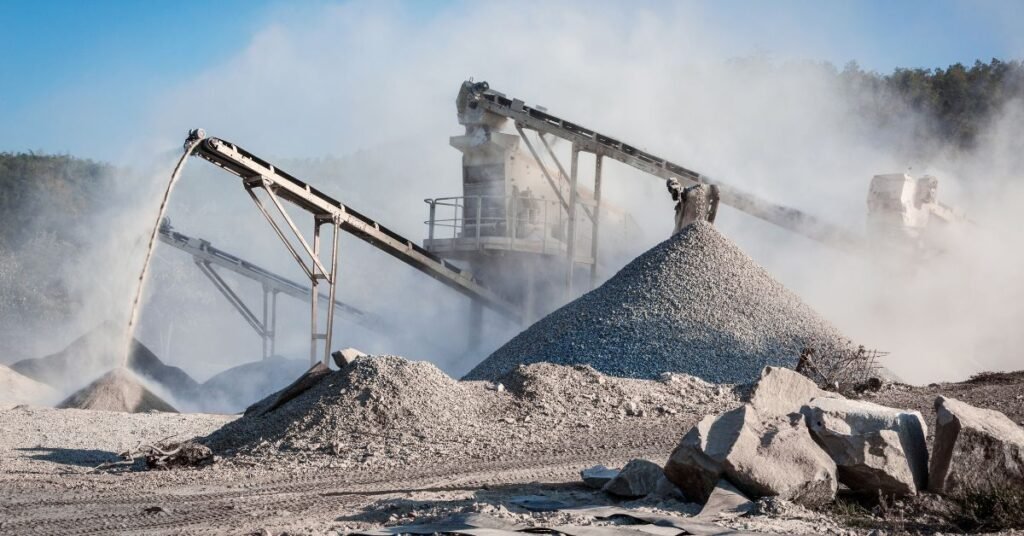
Impact crushers play a pivotal role in demolition projects, particularly for heavy-duty concrete crushing. Their design facilitates efficient breakdown of substantial structures, ensuring swift processing and enhanced productivity. These machines employ high-velocity impact forces, making them suitable for various materials, including reinforced concrete. Understanding the mechanics and advantages of impact crushers can greatly influence project outcomes. The following sections will explore their features and implications for modern demolition practices.
Impact crushers are specialized machines designed to crush and pulverize materials through high-velocity impact forces. These machines are widely utilized in demolition projects due to their efficiency and versatility. There are several impact crusher types, including horizontal shaft impactors (HSIs) and vertical shaft impactors (VSIs), each suited for different applications and material characteristics. HSIs are known for their capability to process softer materials, while VSIs excel in producing high-quality, finely crushed outputs.
The benefits of impact crushers are significant. They offer a high reduction ratio, enabling the rapid processing of large volumes of material. Additionally, impact crushers facilitate better material shape and size distribution, which is essential in recycling applications. Their ability to handle a variety of materials, including concrete, asphalt, and rock, makes them a preferred choice in the demolition industry. Overall, impact crushers enhance operational efficiency and contribute to effective resource management in construction projects.
The mechanics of impact crushing involve a specific process where material is fractured upon high-velocity contact with a crushing surface. Key components, such as hammers and blow bars, play a critical role in delivering this impact energy, facilitating efficient material reduction. These mechanisms are pivotal in various demolition applications, where rapid and effective material processing is essential.
Utilizing high-speed rotating hammers or blow bars, the crushing process in impact crushers effectively shatters materials upon impact. This method employs specific crushing techniques that maximize efficiency and output size reduction, making it ideal for heavy-duty applications in various demolition methods. As materials enter the crushing chamber, they are accelerated towards the rotor, where the high-velocity impact occurs. The force generated causes the material to break apart, with smaller fragments being ejected through the discharge opening. This process not only enhances the fragmentation of concrete and other hard materials but also minimizes the generation of dust. Consequently, impact crushers are essential tools in modern demolition practices, providing a reliable solution for efficient material processing and recycling.
Understanding the mechanics of impact crushing requires an examination of the key components that contribute to the efficiency and effectiveness of these machines. The primary elements include the rotor, which accelerates material to high velocities, and the impact plates that facilitate the crushing action. Component durability is crucial to withstand the forces generated during operation, ensuring longevity and reduced maintenance costs. Additionally, the design of impact crushers must prioritize equipment compatibility, allowing for seamless integration with other machinery, such as conveyors and screening units. This compatibility enhances operational efficiency and maximizes productivity on demolition sites. By focusing on these components, operators can achieve peak performance and reliability in their concrete crushing endeavors.
Impact crushers play a pivotal role in demolition applications, where their ability to efficiently break down concrete structures is paramount. These machines utilize high-velocity impacts to fracture materials, making them ideal for various demolition techniques. By applying immense force in a controlled manner, impact crushers can reduce large concrete elements into manageable sizes for subsequent material handling processes. This capability not only enhances operational efficiency but also minimizes the time required for site cleanup and debris removal. Additionally, the versatility of impact crushers allows them to adapt to different types of demolition projects, from building deconstruction to highway removal. Consequently, they are integral to modern demolition practices, ensuring effective and sustainable waste management in construction environments.
While various types of crushers are employed in demolition, impact crushers are distinguished by their unique operational characteristics. The impact crusher design focuses on maximizing impact crushing efficiency, allowing for the effective reduction of large concrete structures into manageable fragments. This is accomplished through the use of high-speed rotors that propel materials against impact plates, generating intense forces that fracture the material.
One of the key features of impact crushers is their ability to handle a variety of materials, including reinforced concrete, asphalt, and brick. Additionally, they offer adjustable settings for size reduction, enabling operators to achieve specific output dimensions. The compact nature of these machines allows for easy transport and setup on demolition sites, enhancing overall productivity. Their efficiency in processing materials guarantees reduced operational costs and increased throughput, making them an essential tool in modern demolition practices.
Various types of impact crushers are utilized in demolition applications, each designed to meet specific operational needs and material processing requirements. The two primary categories are horizontal shaft impact (HSI) crushers and vertical shaft impact (VSI) crushers. HSI crushers are effective for softer materials, providing high throughput and efficient reduction ratios. In contrast, VSI crushers excel in producing high-quality aggregates from harder materials, utilizing centrifugal force for crushing.
| Type | Description |
|---|---|
| HSI | Utilizes horizontal shaft; ideal for soft materials |
| VSI | Utilizes vertical shaft; produces high-quality aggregates |
| Primary Crusher | Designed for primary crushing applications |
| Secondary Crusher | Focuses on further reducing material size |
| Tertiary Crusher | Final stage for achieving desired material specifications |
Each type serves distinct functions and offers unique advantages, allowing for tailored solutions in demolition projects. Understanding these differences is essential for optimizing equipment selection.
Utilizing impact crushers in demolition projects offers significant advantages that enhance operational efficiency and material processing effectiveness. These machines are designed to break down large concrete structures quickly, resulting in reduced processing times and lower labor costs. The efficiency benefits of impact crushers stem from their ability to produce uniform material sizes, which is essential for subsequent recycling or disposal.
Moreover, impact crushers have a compact design that allows for easy maneuverability on job sites, ensuring that they can access tight spaces and challenging environments. The operational advantages include the ability to process a variety of materials, including reinforced concrete, without extensive pre-treatment. This versatility not only streamlines operations but also minimizes downtime. In addition, the reduced noise and dust emissions associated with impact crushers contribute to a safer working environment, making them an ideal choice for urban demolition projects. Overall, these factors make impact crushers a valuable asset in demolition operations.
When comparing impact crushers to other types of crushing equipment, it becomes evident that each machine serves distinct purposes based on specific project requirements. Impact crushers are particularly effective for demolition tasks, offering unique advantages that set them apart from jaw and cone crushers.
In a crushing equipment comparison, the choice ultimately depends on the material being processed, desired output specifications, and the project’s budget. Understanding these differences allows operators to select the most efficient and cost-effective equipment for their specific demolition needs.
Impact crushers play a critical role in sustainable construction by facilitating the recycling of concrete materials. By efficiently processing demolished concrete, these machines contribute to the reduction of construction waste and promote the reuse of resources in new building projects. This not only minimizes environmental impact but also supports the circular economy within the construction industry.
Recycling concrete materials plays an essential role in promoting sustainable construction practices, and impact crushers are pivotal in this process. These machines efficiently break down demolished concrete into reusable aggregates, thereby facilitating concrete recycling and enhancing material recovery efforts. The utilization of impact crushers not only maximizes the value of construction waste but also reduces the demand for virgin materials.
Effective management of construction waste is increasingly essential in the pursuit of sustainable building practices, and the use of impact crushers plays a significant role in this endeavor. These machines efficiently reduce concrete and other materials into reusable aggregates, promoting effective waste management and minimizing landfill contributions. By facilitating construction recycling, impact crushers enable contractors to reclaim valuable resources from demolished structures, thereby reducing the need for virgin materials. This process not only conserves natural resources but also lowers transportation costs associated with waste disposal. Additionally, utilizing recycled materials in construction projects enhances sustainability and can lead to significant cost savings. In conclusion, impact crushers are integral to reducing construction waste and fostering environmentally responsible building practices.
When selecting an impact crusher for demolition projects, size and weight are critical factors that influence both operational efficiency and maneuverability. The size capacity of an impact crusher determines its throughput and the types of materials it can process effectively. A larger crusher can handle more substantial debris, while a smaller unit may be more suitable for confined spaces.
Weight distribution also plays a crucial role in the stability and transportability of the machine.
Effective maintenance of impact crushers is essential for ideal performance and longevity. This includes conducting regular inspections, adhering to proper lubrication and greasing practices, and establishing a schedule for the replacement of wear parts. Implementing these measures guarantees the equipment operates efficiently and minimizes downtime during demolition projects.
Regular inspections are essential to guaranteeing the ideal performance and longevity of impact crushers used in demolition projects. Implementing a structured preventive maintenance program that includes regular inspection schedules can identify potential issues before they escalate into costly repairs. The following practices are critical:
Although lubrication and greasing may seem like minor aspects of maintenance, they play an essential role in the performance and lifespan of impact crushers in demolition applications. Proper lubrication reduces friction and wear, ensuring optimal operation. Various grease types, such as lithium-based and calcium sulfonate greases, are recommended for their stability and resistance to breakdown under high temperatures. Adhering to specified lubrication intervals is essential; these intervals can vary depending on operating conditions and manufacturer guidelines. Regularly checking grease levels and applying the appropriate type at designated intervals helps prevent mechanical failures and extends the operational life of critical components. Implementing a robust lubrication and greasing practice is important for maintaining the efficiency and reliability of impact crushers in demanding environments.
A well-defined wear parts replacement schedule is essential for maintaining the performance and efficiency of impact crushers in demolition applications. Regularly evaluating wear part durability and establishing a replacement frequency guarantees ideal functionality and minimizes downtime. Operators should consider the following factors when developing a schedule:
When considering the operation of impact crushers in demolition projects, the implementation of robust safety features becomes essential to guarantee operator and site safety. These machines are equipped with various safety protocols designed to minimize risks associated with heavy-duty concrete crushing. Key features include emergency stop buttons, automatic shut-off systems, and protective guards that shield operators from flying debris.
Additionally, effective operator training is vital in ensuring that personnel are familiar with these safety features and can respond appropriately in emergency situations. Training programs often cover machine operation, maintenance procedures, and hazard recognition, reinforcing the importance of adhering to established safety protocols.
Regular safety audits and inspections further enhance risk management by identifying potential hazards before they lead to accidents. By prioritizing these safety features and thorough training, demolition projects can operate more safely and efficiently, ultimately protecting both workers and the surrounding environment.
Implementing robust safety features not only safeguards personnel but also contributes to the overall cost-effectiveness of impact crushers in demolition projects. A thorough cost analysis reveals that these machines offer significant savings over their lifespan. Budget considerations are paramount, as the initial investment is often offset by reduced operational costs and increased efficiency.
This section examines various case studies highlighting successful demolition projects that utilized impact crushers. It will cover the project objectives, specifications of the equipment employed, and the outcomes achieved. These examples illustrate the effectiveness of impact crushers in achieving efficient and cost-effective demolition results.
Although demolition projects can vary considerably in scope and complexity, the integration of impact crushers has proven instrumental in achieving efficient and effective outcomes. These machines serve to meet specific project objectives within established project timelines, greatly enhancing productivity.
Key insights from successful case studies include:
Successful demolition projects utilizing impact crushers are characterized by specific equipment specifications tailored to optimize performance and efficiency. Key equipment types include horizontal and vertical shaft impactors, each designed to achieve varying degrees of material reduction and throughput. Performance metrics such as feed size, reduction ratio, and crushing capacity are critical in selecting the appropriate impact crusher for specific demolition tasks. For instance, horizontal shaft impactors typically offer higher production rates and are ideal for processing larger volumes of concrete, while vertical shaft impactors excel in producing finely graded materials. Additionally, features such as adjustable rotor speeds and interchangeable wear parts enhance versatility and operational efficiency, allowing contractors to meet project requirements effectively while minimizing downtime and operational costs.
Demolition projects have demonstrated significant advancements in efficiency and effectiveness through the strategic use of impact crushers. Case studies reveal remarkable results, showcasing the profound impact of these machines on meeting critical performance metrics and achieving project milestones.
These achievements underscore the importance of integrating impact crushers into demolition strategies, positioning them as essential tools in modern construction practices. As the industry evolves, such results continue to validate their role in enhancing operational performance and sustainability.
Impact crushers play a significant role in the demolition industry, particularly concerning their environmental impact. These machines are designed to optimize the recycling of concrete and debris, adhering to sustainability practices and meeting environmental regulations. By reducing waste and minimizing emissions during operation, impact crushers contribute to a greener environment.
| Advantages | Considerations |
|---|---|
| Efficient material recycling | Noise pollution potential |
| Reduced landfill use | Dust generation |
| Lower carbon footprint | Energy consumption |
The adoption of impact crushers in demolition projects supports sustainable construction practices by enabling the reuse of materials. As regulations regarding waste management and environmental protection become more stringent, the role of impact crushers will only gain importance in ensuring compliance while promoting eco-friendly practices in the industry.
As the demolition industry evolves, advancements in impact crushing technology are poised to enhance efficiency and sustainability. Key trends indicate a shift towards greater automation and eco-friendly innovations, streamlining operations while minimizing environmental impact.
These developments signify a transformative phase for impact crushing technology, where operational excellence meets environmental responsibility. As the industry adapts, the focus will remain on refining processes and reducing carbon footprints, essential for future growth and compliance with stringent regulations.
Selecting the appropriate impact crusher for a specific project requires careful consideration of various factors to guarantee peak performance and efficiency. Impact crusher selection hinges on project requirements, including material type, size, and desired output. Evaluating the hardness and abrasiveness of the material is vital, as these attributes influence the crusher’s wear rates and maintenance needs.
Additionally, understanding the desired production capacity and the required reduction ratio is essential for ideal operation. Different impact crushers—such as horizontal shaft impactors or vertical shaft impactors—offer distinct operational characteristics that may align better with specific project goals.
Furthermore, portability and ease of setup can be significant, particularly in demolition environments where space is limited. Ultimately, a thorough assessment of these factors will guide the selection of the most suitable impact crusher, ensuring that it meets the demands of the project while maintaining efficiency and minimizing operational costs.