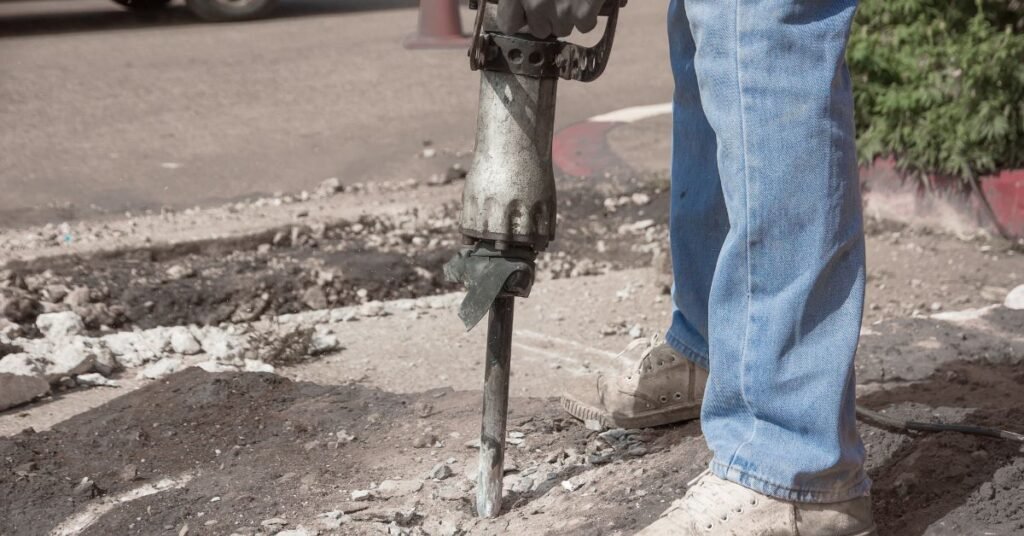
Jackhammers play an essential role in demolition projects, with pneumatic and electric models serving distinct purposes. Pneumatic jackhammers excel in heavy-duty applications, utilizing compressed air for superior impact. In contrast, electric jackhammers offer a quieter, lighter alternative suitable for urban environments. Understanding the differences in performance and efficiency between these types is vital for selecting the right tool. Factors influencing this decision can greatly impact project outcomes and user experience.
Although often regarded as merely tools for breaking concrete, pneumatic jackhammers are sophisticated machines that employ compressed air to deliver powerful, rapid impacts. These devices are favored in demolition tasks due to their pneumatic benefits, including high-impact efficiency and reduced operator fatigue. The use of compressed air allows for continuous operation without the overheating issues associated with electric models.
Operational safety is a critical consideration with pneumatic jackhammers. Operators must be trained to handle the equipment correctly, wearing appropriate personal protective equipment to mitigate exposure to noise and vibration, which can lead to long-term health issues.
Additionally, the air supply must be monitored to guarantee consistent performance and prevent accidents caused by pressure fluctuations. Overall, pneumatic jackhammers represent a robust solution for heavy-duty demolition, combining efficiency with an emphasis on safety and operator well-being in demanding work environments.
Electric jackhammers serve as an alternative to their pneumatic counterparts, offering unique advantages for specific demolition tasks. One significant advantage is their reliance on electricity, which eliminates the need for compressors and reduces operational noise levels, making them suitable for urban environments.
Additionally, electric jackhammers tend to be lighter, enhancing maneuverability and reducing operator fatigue during extended use.
Electric jackhammer maintenance is essential for ensuring peak performance and longevity. Regular checks of the power cord, connections, and internal components are vital to prevent electrical failures.
Lubrication of moving parts, along with periodic inspection of the chisel and bit, contributes to efficient operation. By adhering to a consistent maintenance schedule, operators can maximize the benefits associated with electric jackhammers while minimizing downtime due to repairs.
Consequently, these tools provide a practical solution for various demolition applications, particularly where noise and mobility are critical factors.
Evaluating the performance and efficiency of jackhammers requires a detailed comparison of their operational characteristics, including power output, impact frequency, and energy consumption.
This assessment can be broken down into several key performance metrics that highlight the differences between pneumatic and electric models.
Power Output: Pneumatic jackhammers typically deliver higher horsepower, making them suitable for heavy-duty tasks, while electric models offer moderate power levels for lighter applications.
Impact Frequency: Pneumatic variants generally achieve a higher blows-per-minute rate, enhancing their effectiveness in breaking hard materials compared to electric models.
Energy Consumption: Electric jackhammers tend to have lower energy costs due to their efficiency, while pneumatic units may incur additional expenses related to air supply and compressor operation.
Choosing the appropriate jackhammer type for specific demolition tasks hinges on understanding the unique strengths of pneumatic and electric models.
Pneumatic applications are ideal for heavy-duty projects, such as breaking up reinforced concrete or asphalt, where high power and continuous operation are crucial. These jackhammers operate efficiently in outdoor environments, especially in situations lacking electrical access.
Conversely, electric applications cater to lighter demolition tasks, including tile removal, drywall, or small concrete structures. They are particularly advantageous in indoor settings due to their lower noise levels and reduced emissions, making them suitable for residential renovations. Additionally, electric models generally require less maintenance and offer greater portability.
Ultimately, the choice between pneumatic and electric jackhammers should align with the specific demands of the job, including the material being demolished and the working environment. Understanding these applications guarantees peak performance and efficiency during demolition projects.
When determining the right jackhammer for a demolition project, several key factors must be considered to guarantee peak performance. The selection process should focus on the specific requirements of the task, the jackhammer type, and essential maintenance practices.
Power Source: Choose between pneumatic and electric jackhammers based on the location and nature of the demolition. Pneumatic models are ideal for heavy-duty tasks, while electric versions are suitable for lighter projects.
Weight and Size: Assess the weight and size of the jackhammer to confirm it aligns with the user’s physical capabilities and the job’s demands, promoting efficient operation.
Safety Features: Prioritize models equipped with safety features such as vibration dampening and automatic shut-off mechanisms to minimize risks during use.
Regular jackhammer maintenance is vital for peak performance and longevity.
Additionally, adhering to safety precautions enhances user protection throughout the demolition process.
The weight of a jackhammer typically varies based on its type, with common models weighing between 25 to 90 pounds.
Pneumatic jackhammers, often lighter, may range from 25 to 50 pounds, while electric jackhammers tend to weigh between 50 to 90 pounds.
These weight variations can greatly impact usability and operator fatigue.
Understanding the weight differences among jackhammer types is vital for selecting the appropriate tool for specific demolition tasks.
Like a painter choosing the right brush for a canvas, the decision to use a jackhammer for asphalt removal hinges on its efficiency.
Jackhammers are indeed effective for asphalt, utilizing powerful impacts to break up the material efficiently. This method aligns with various asphalt removal techniques, making it a common choice for contractors.
However, selecting the appropriate type of jackhammer can greatly enhance performance, ensuring swift and effective asphalt demolition.
Jackhammer upkeep is vital for ideal performance and longevity. Regular maintenance tips include checking and tightening bolts, inspecting the chisel for wear, and ensuring proper lubrication of moving parts.
Additionally, operators should clean the air filters frequently and replace worn hoses to prevent air leaks. Periodic inspections of electrical components and connections are essential for electric models.
Following these practices helps minimize downtime and enhances the efficiency of the jackhammer during operation.
When operating heavy machinery, safety measures are paramount.
To guarantee protection, users should wear safety goggles to shield their eyes from debris and dust, while hearing protection is essential to guard against the loud noise generated by the equipment.
Additionally, wearing sturdy gloves and steel-toed boots can prevent injuries from falling objects and vibrations.
Adhering to these safety protocols greatly reduces the risk of accidents and enhances overall workplace safety during operation.
Jackhammers produce significant noise levels, typically ranging between 95 to 120 decibels during operation.
This intensity of sound can easily exceed recommended exposure limits, making prolonged use hazardous to hearing.
Consequently, it is imperative for operators to wear appropriate hearing protection to mitigate the risk of noise-induced hearing loss.
Utilizing earplugs or earmuffs can effectively reduce the impact of the jackhammer’s loud operation, ensuring a safer working environment.