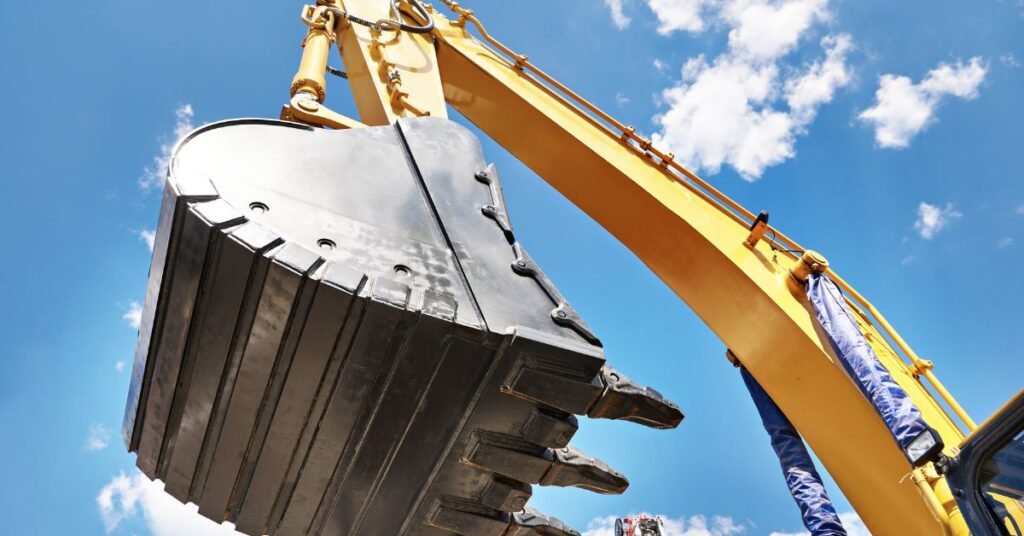
Standard hydraulic excavators serve as crucial tools in demolition projects, characterized by their hydraulic systems and adaptability. These machines excel in various tasks, from breaking down structures to clearing debris, thanks to a range of interchangeable attachments. Their compact design allows maneuverability in tight spaces, enhancing operational efficiency. However, considerations regarding safety and operator training are paramount. Understanding these factors is essential to fully grasp the role of hydraulic excavators in modern demolition practices.
Hydraulic excavators are essential machinery in the construction and demolition industries, characterized by their robust design and multifunctional capabilities. These machines utilize hydraulic power to achieve exceptional excavator efficiency, allowing them to perform a variety of tasks with precision. The hydraulic system converts fluid pressure into mechanical force, enabling the excavator to lift, dig, and move heavy materials efficiently. This technology not only enhances performance but also minimizes operational fatigue on the machine, extending its lifespan.
The versatility of hydraulic excavators is further enhanced by their interchangeable attachments, which can include buckets, shears, and hammers, making them suitable for diverse applications in demolition projects. Their ability to operate in confined spaces while delivering high torque and lifting capacities makes them indispensable in urban environments. As a result, hydraulic excavators play a vital role in optimizing productivity and safety within the demolition sector.
The key components of hydraulic excavators play a critical role in their operational efficiency and versatility, particularly in demolition projects. The hydraulic system functionality enables precise control of movements and power transmission, while various excavator attachment types enhance the machine’s capability to perform diverse tasks. Understanding these components is essential for optimizing performance and ensuring effective demolition processes.
A hydraulic system serves as the backbone of a hydraulic excavator, enabling it to perform demanding tasks with precision and efficiency. Central to this system is hydraulic fluid, which transmits power throughout the machinery. The fluid’s ability to maintain pressure is critical for effective operation. Pressure regulation is managed through various components, including pumps, valves, and cylinders, which control the flow and direction of the hydraulic fluid. Pumps generate the necessary hydraulic pressure, while valves direct this fluid to specific actuators, allowing for controlled movement of the excavator’s boom, arm, and bucket. This seamless interaction between hydraulic components guarantees that the excavator can execute complex demolition tasks while maintaining ideal performance and safety standards.
Excavators are equipped with a variety of attachments that enhance their versatility and functionality in demolition projects. Among the most common are excavator bucket types, which include standard, trenching, and rock buckets, each designed for specific tasks such as material handling, digging, or breaking through tough surfaces. Additionally, hydraulic hammer options provide a powerful means of breaking concrete and other hard materials, greatly improving demolition efficiency. Other attachments may include grapples for handling debris and shears for cutting through metal structures. By selecting the appropriate attachment, operators can optimize excavator performance, ensuring that machines are well-suited to meet the demands of various demolition applications while maximizing productivity and safety on the job site.
When selecting attachments for demolition projects, various types of tools can greatly enhance the efficiency and effectiveness of hydraulic excavators. Key attachments include:
Other notable attachments include concrete crushers for reducing large blocks into manageable sizes, ripper teeth for penetrating tough surfaces, and thumb attachments that enhance gripping capabilities. Additionally, demolition claws are designed for efficient tearing apart of structures, while magnetic separators assist in recovering ferrous materials. Each attachment serves a specific purpose, optimizing the overall demolition process.
Hydraulic excavators offer significant advantages in demolition projects, enhancing both productivity and safety. One of the primary benefits is excavator versatility, allowing operators to utilize various attachments such as grapples, shears, and hammers. This adaptability enables the equipment to tackle diverse materials and structures, improving overall project efficiency.
Furthermore, hydraulic systems provide exceptional control, facilitating demolition precision. Operators can execute intricate dismantling tasks with accuracy, minimizing collateral damage to surrounding structures and ensuring compliance with safety regulations. The hydraulic mechanism also allows for smooth and powerful movements, reducing the time required for task completion.
Additionally, the compact design of many hydraulic excavators allows access to confined spaces, which is often a vital requirement in urban demolition sites. These advantages collectively contribute to a more streamlined and effective demolition process, ultimately leading to cost savings and improved project outcomes.
Safety considerations in demolition work are paramount, as the risks associated with such projects can be significant. Effective safety protocols must be implemented to guarantee worker safety and mitigate hazards. Key components include:
Selecting the appropriate hydraulic excavator for a demolition project requires careful consideration of project size and the compatibility of attachments. Larger projects may necessitate more powerful machines with specific features to handle extensive demolition tasks efficiently. Additionally, evaluating the compatibility of various attachments is essential, as it directly impacts the versatility and effectiveness of the excavator in executing diverse demolition activities.
When determining the appropriate excavator for a demolition project, it is essential to evaluate the size and scope of the operation, as these factors directly influence equipment choice. The selection process typically involves understanding distinct project requirements.
Understanding the types of attachments compatible with hydraulic excavators is crucial for optimizing performance in demolition projects. The selection of the correct attachment types can greatly influence operational efficiency and safety. Compatibility issues may arise when the wrong attachment is used, leading to mechanical failures or reduced effectiveness.
| Attachment Type | Common Use |
|---|---|
| Hydraulic Hammer | Breaking concrete structures |
| Grapple | Handling debris and materials |
| Shear | Cutting through steel |
Assessing the compatibility between the excavator and the chosen attachment guarantees that the machinery operates within its designed parameters. Proper evaluation of these factors not only enhances productivity but also minimizes downtime and maintenance costs during demolition tasks.
Regular maintenance is essential for ensuring the ideal performance and longevity of hydraulic excavators. Implementing a routine preventive maintenance schedule can greatly reduce downtime and enhance operational efficiency. Key maintenance practices include:
Hydraulic Fluid Checks: Regularly inspect hydraulic fluid levels and quality. Contaminated or low hydraulic fluid can lead to equipment failure.
Filter Replacement: Change hydraulic filters according to the manufacturer’s guidelines. Clogged filters restrict fluid flow and can damage hydraulic components.
Visual Inspections: Conduct frequent visual inspections of hoses, fittings, and seals for signs of wear or leaks. Early detection of issues can prevent costly repairs.
The cost-effectiveness of hydraulic excavators in demolition projects can be assessed through several key factors. Lower equipment rental costs contribute to overall project budgets, while increased operational efficiency allows for faster completion times. Additionally, the mechanization of tasks reduces labor expenses, leading to significant savings throughout the project lifecycle.
Numerous studies indicate that hydraulic excavators greatly reduce equipment rental costs in demolition projects. This cost reduction can be attributed to several factors that enhance rental flexibility, allowing project managers to optimize their budgets. Key aspects include:
These factors collectively contribute to significant savings, making hydraulic excavators a financially prudent choice for demolition operations. Understanding these benefits allows stakeholders to make informed decisions regarding equipment procurement.
Enhancing project efficiency in demolition operations hinges greatly on the integration of hydraulic excavators. Their versatility enables rapid execution of tasks, greatly compressing the project timeline. By utilizing these machines, teams can optimize resource allocation, ensuring that equipment, labor, and materials are used effectively. This streamlined approach minimizes downtime and accelerates progress, resulting in a more cost-effective operation.
| Task | Traditional Method (Hours) | Excavator Method (Hours) |
|---|---|---|
| Site Preparation | 24 | 10 |
| Demolition | 30 | 12 |
| Debris Removal | 20 | 8 |
| Cleanup | 15 | 6 |
| Total | 89 | 36 |
The data illustrates the considerable time savings achievable through the strategic application of hydraulic excavators during demolition projects.
While traditional demolition methods often incur high labor costs due to the extensive manpower required for tasks such as site preparation, debris removal, and cleanup, hydraulic excavators considerably mitigate these expenses. The adoption of these machines leads to significant labor cost reduction and enhances workforce optimization. Specifically, hydraulic excavators provide:
The environmental impact of demolition projects is a critical consideration that extends beyond mere structural dismantling. Effective waste management is essential to minimize ecological footprints during these operations. Traditional demolition practices often result in substantial debris, leading to landfills that can contribute to soil and water contamination. Conversely, sustainable practices aim to reduce waste generation and promote recycling of materials. By integrating selective dismantling techniques, reusable materials can be salvaged, thereby diverting waste from landfills. In addition, employing hydraulic excavators equipped with advanced technology enhances efficiency in material recovery, facilitating better sorting and processing of debris. Environmental assessments during the planning phase can also identify potential impacts on local ecosystems, ensuring compliance with regulatory standards. Ultimately, prioritizing sustainable practices within demolition projects not only mitigates environmental harm but also fosters a circular economy, where materials are continuously repurposed, reducing the need for new resource extraction.
Successful demolition projects often exemplify the integration of sustainable practices and advanced technology, highlighting the potential for environmentally responsible dismantling. Several case studies illustrate effective application of demolition techniques and meticulous project logistics, guaranteeing minimal environmental impact and enhanced efficiency.
These examples demonstrate how modern approaches to demolition can lead to successful project outcomes while prioritizing sustainability and resource conservation. The integration of innovative strategies underscores the evolving landscape of demolition practices within the industry.
Recent advancements in excavator technology have introduced sophisticated automation features that optimize operational efficiency and precision. Concurrently, enhanced safety mechanisms have been integrated to protect operators and surrounding personnel during demolition tasks. Additionally, the development of eco-friendly hydraulic systems has contributed to reduced environmental impact, aligning modern practices with sustainability goals.
As the construction industry evolves, hydraulic excavators are increasingly equipped with advanced automation features that enhance operational efficiency and precision. These innovations are driven by the integration of automated controls and intelligent systems, which streamline various processes. Key advancements include:
Together, these features not only optimize performance but also contribute to more effective demolition project outcomes.
The integration of advanced automation features in hydraulic excavators has paved the way for significant innovations in safety mechanisms, addressing the inherent risks associated with demolition projects. Enhanced safety features now include real-time monitoring systems, which provide immediate feedback on equipment status, and advanced collision detection systems that prevent accidents. Additionally, thorough operator training modules are essential to guarantee that personnel are proficient in utilizing these safety technologies effectively.
| Safety Feature | Description | Impact on Safety |
|---|---|---|
| Real-Time Monitoring | Continuous equipment performance tracking | Reduces operational errors |
| Collision Detection | Sensors to identify obstacles | Prevents accidents |
| Emergency Shutoff | Instant equipment shutdown capability | Enhances emergency response |
| Stability Control | Automatic adjustments for uneven terrain | Prevents tip-overs |
| Operator Training Modules | Structured training on safety features | Increases operator awareness |
Innovations in eco-friendly hydraulic systems are transforming the landscape of excavation technology, promoting sustainability in demolition projects. The integration of sustainable hydraulics and green technology in hydraulic excavators is essential for reducing environmental impact. Key advancements include:
These innovations not only enhance the performance of hydraulic systems but also contribute to a cleaner and more sustainable approach to demolition, reflecting an industry trend toward eco-conscious practices.
Proper training and certification are vital for operators of hydraulic excavators involved in demolition projects. These programs guarantee that operators possess the necessary qualifications to handle complex machinery safely and efficiently. Certification programs typically include theoretical and practical components, focusing on equipment operation, safety protocols, and site-specific procedures.
Additionally, operators must demonstrate proficiency in maneuvering the excavator in various demolition scenarios, such as precision cutting and debris management. Industry standards dictate that operators must be familiar with regulations regarding site safety and environmental considerations.
Ongoing training is also important as technology and safety regulations evolve, requiring operators to stay updated on best practices and new equipment features. By prioritizing operator qualifications through thorough training and certification, companies can enhance productivity while minimizing risks associated with demolition activities. Ultimately, well-trained operators contribute greatly to the success and safety of demolition projects.
While demolition projects are essential for urban redevelopment and infrastructure improvement, they often present a range of challenges that require careful planning and execution. Effective management of these challenges is important to minimize project delays and guarantee compliance with regulations. Key issues that frequently arise include:
Addressing these challenges through meticulous planning and resource allocation is essential for the successful completion of demolition projects, ultimately contributing to the efficiency and sustainability of urban development initiatives.
As the demolition industry evolves, advancements in equipment technology are poised to greatly enhance operational efficiency and safety. One significant trend is the increased adoption of robotic demolition systems, which allow for precise dismantling of structures in hazardous environments. These systems minimize human exposure to danger while maximizing control and accuracy. Additionally, the integration of artificial intelligence and machine learning is streamlining the planning and execution phases of demolition projects, enabling predictive maintenance and optimizing resource allocation.
Furthermore, the emphasis on sustainable practices is shaping future equipment designs. Manufacturers are developing machines that utilize alternative fuels and energy-efficient systems, reducing the carbon footprint associated with demolition activities. Recycling capabilities are also being integrated into demolition equipment, facilitating the reuse of materials and minimizing waste. Collectively, these trends indicate a shift towards more efficient, safe, and environmentally responsible demolition practices in the industry.
Hydraulic excavators are often favored in demolition projects due to their versatility and efficiency, particularly when compared to alternative methods such as wrecking balls or manual demolition. The advantages of hydraulic excavators over demolition alternatives can be outlined as follows: