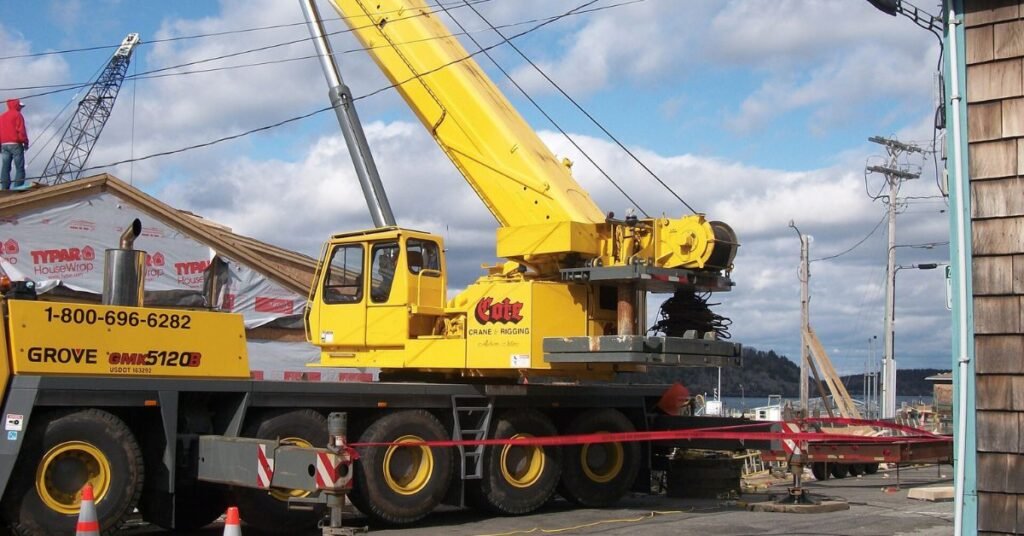
Truck-mounted cranes have become an essential asset in modern demolition projects. Their design allows for enhanced mobility and adaptability in urban settings, where space is often limited. Equipped with hydraulic systems and adjustable booms, these cranes can tackle a variety of demolition tasks efficiently. The integration of advanced features, such as remote control and modular attachments, raises questions about their impact on safety and operational effectiveness. Exploring these aspects reveals deeper insights into their role in the demolition industry.
Truck-mounted cranes are versatile lifting machines designed for a variety of construction and demolition tasks. These cranes combine mobility and functionality, offering a unique solution for projects requiring both precision and adaptability. Key crane specifications include load capacity, reach, and boom length, which vary greatly among models. Typically, they can lift loads ranging from several tons to over 50 tons, depending on the specific design and configuration.
Operational efficiency is a critical factor in the performance of truck-mounted cranes. Their ability to quickly relocate to different job sites minimizes downtime and enhances productivity. Advanced hydraulic systems allow for smooth lifting and lowering actions, which further optimize the workflow in demolition scenarios. Additionally, incorporating features such as remote controls and stabilizing outriggers contributes to improved safety and control during operation. Understanding these specifications and efficiency metrics is essential for selecting the appropriate truck-mounted crane for specific demolition tasks.
When selecting equipment for demolition projects, one significant advantage of utilizing truck-mounted cranes lies in their exceptional mobility and versatility. These cranes can easily navigate various job sites, including urban environments, where space is often limited. Their ability to quickly relocate between tasks enhances demolition efficiency, allowing crews to complete projects on time and within budget.
Additionally, truck-mounted cranes can perform multiple functions, such as lifting, lowering, and transporting materials, which reduces the need for additional equipment. This multifunctionality contributes to cost savings by minimizing rental fees and operational expenses. The reduced setup time associated with truck-mounted cranes further enhances productivity, as crews can mobilize swiftly and commence work without extensive delays. Overall, the integration of truck-mounted cranes into demolition operations results in improved efficiency and significant financial benefits, establishing them as a preferred choice for modern demolition challenges.
Truck-mounted cranes offer exceptional maneuverability in confined areas, making them ideal for demolition jobs in urban environments. Their compact design allows for efficient navigation through narrow streets and tight job sites. Additionally, these cranes can be adapted to various site conditions, enabling operators to address specific challenges encountered during demolition.
Maneuverability is a critical factor for cranes operating in confined demolition sites, where space constraints often present considerable challenges. Truck-mounted cranes are engineered with a compact design that enhances their ability to navigate tight areas, allowing them to access locations that larger cranes cannot reach. This compactness guarantees ideal space efficiency, enabling operators to position the crane precisely for various demolition tasks without compromising stability. Additionally, these cranes often feature advanced steering systems, which facilitate sharp turns and precise movements in restricted environments. The combination of a reduced footprint and agile maneuverability makes truck-mounted cranes indispensable for effective demolition work in urban settings, where space limitations necessitate innovative solutions. This capability greatly enhances operational productivity and safety.
Although demolition sites can vary considerably in layout and accessibility, truck-mounted cranes are designed to adapt seamlessly to diverse conditions. Their versatility allows for site-specific solutions that meet the unique demands of each project. Equipped with adaptable configurations, these cranes can easily maneuver in tight spaces, making them ideal for urban environments or complex sites. The ability to adjust boom lengths and angles enhances their functionality, enabling operators to reach elevated structures or navigate around obstacles efficiently. Moreover, truck-mounted cranes can be fitted with various attachments, enhancing their capacity to handle different materials or tasks. This adaptability not only improves operational efficiency but also guarantees safety and compliance with regulatory requirements on varied demolition sites.
Enhancing safety standards on job sites utilizing truck-mounted cranes requires a multifaceted approach. Effective safety equipment utilization is critical, alongside thorough operator training programs that guarantee personnel are well-versed in both equipment operation and emergency protocols. These strategies collectively contribute to minimizing risks and promoting a safer working environment during demolition tasks.
The implementation of safety equipment is critical in maintaining high safety standards on demolition job sites. Adhering to established safety protocols guarantees that all team members are protected from potential hazards. Regular equipment maintenance is essential for the effective operation of safety devices.
| Safety Equipment | Purpose |
|---|---|
| Personal Protective Gear | Protects workers from physical injuries |
| Fall Protection Systems | Prevents falls from heights |
| Emergency Response Kits | Provides first aid and emergency supplies |
Utilizing appropriate safety equipment not only mitigates risks but also enhances overall job site efficiency. Regular inspections and maintenance of this equipment guarantee reliability, thereby fostering a culture of safety and accountability among demolition teams.
Operator training programs are essential for ensuring the safe and effective operation of truck-mounted cranes on demolition sites. These programs focus on thorough operator certification, which verifies that personnel are equipped with the necessary skills and knowledge to handle complex machinery safely. Training encompasses critical areas such as load calculations, crane stability, and emergency response procedures. Additionally, these programs emphasize the importance of adhering to safety regulations and best practices to mitigate risks associated with crane operation. By investing in rigorous training programs, companies not only enhance the competency of their operators but also foster a culture of safety on the job site. Ultimately, well-trained operators greatly reduce the likelihood of accidents, ensuring both personnel safety and project efficiency.
Numerous demolition projects have successfully integrated truck-mounted cranes, showcasing their versatility and efficiency in various applications. Case studies illustrate how these cranes enhance operational capabilities, making them ideal for complex tasks. Project highlights include:
These examples underscore the adaptability and effectiveness of truck-mounted cranes in diverse demolition scenarios, reinforcing their growing importance in the industry.
Innovative techniques utilizing truck-mounted cranes have revolutionized demolition practices, enhancing efficiency and safety across various projects. One notable application involves the use of innovative designs that integrate modular attachments, allowing operators to quickly switch tools based on specific job requirements. This versatility supports a wide range of demolition tasks, from dismantling structures to handling hazardous materials.
Additionally, advanced functionalities such as remote control operations improve precision and reduce the risk of worker injury. Operators can maneuver cranes from a safe distance, providing an added layer of security. Moreover, advancements in hydraulic systems enable greater lifting capacities while maintaining stability on uneven terrain.
These techniques not only streamline the demolition process but also minimize environmental impact by facilitating targeted dismantling. As a result, truck-mounted cranes have become indispensable in modern demolition, demonstrating their capability to adapt to diverse challenges in the industry.
Recent advancements in truck-mounted crane technology are steering the industry toward a future characterized by increased automation and enhanced connectivity. As the demand for efficiency and precision rises, several key trends are emerging:
These trends collectively aim to revolutionize the operational capabilities of truck-mounted cranes, ensuring they meet the evolving demands of demolition projects and beyond.
The typical weight capacity of truck-mounted cranes varies widely, generally ranging from 5 tons to over 50 tons, depending on the model and design. These cranes are engineered with specific weight limits that determine their lifting capabilities, ensuring safe operation under load. Factors such as boom length, counterweight, and stability play critical roles in achieving ideal performance. Understanding these specifications is essential for selecting the appropriate crane for particular lifting tasks.
In the bustling construction landscape, where steel giants tower overhead, truck-mounted cranes emerge as nimble contenders against traditional cranes. Their mobility benefits allow swift movement between job sites, while their versatility advantages enable them to tackle a range of tasks, from lifting heavy beams to precision placements in tight spaces. Unlike stationary counterparts, these cranes provide adaptability without sacrificing lifting capacity, proving essential for projects requiring both efficiency and flexibility in dynamic environments.
Maintenance requirements for truck-mounted cranes involve adherence to maintenance best practices and strict inspection schedules. Regular fluid checks, lubrication of moving parts, and thorough assessments of structural integrity are vital. Operators must guarantee that safety features, such as braking systems and stabilizers, are functioning correctly. Scheduled inspections should be documented, and any identified issues must be addressed promptly to maintain operational efficiency and safety. Regular training for personnel is also essential for effective maintenance practices.
Operating in adverse weather conditions presents challenges for machinery. Rain, wind, snow, and ice can compromise weather resistance and diminish operational safety. Truck-mounted cranes can function in such conditions, but manufacturers recommend adhering to specific guidelines. These guidelines include evaluating wind speeds, checking ground stability, and ensuring visibility. Proper training and equipment maintenance are essential to mitigate risks, ensuring that operators can maintain safety standards while maximizing productivity in unpredictable environments.
The necessary certifications for operating truck-mounted cranes involve a thorough certification process that guarantees operators are skilled and knowledgeable. This process typically includes completion of operator training programs, which cover safety protocols, equipment handling, and regulatory compliance. Operators must also obtain specific licenses, such as a Commercial Driver’s License (CDL) and relevant crane operation certifications issued by recognized organizations. Such credentials validate the operator’s competence and adherence to industry standards.