Water trucks are instrumental in mitigating dust during demolition activities. Their operation involves precise water application techniques that directly address airborne particulate matter. This process not only improves air quality but also aligns with regulatory compliance. Understanding the mechanics and benefits of these vehicles is essential for effective dust control strategies. As demolition projects evolve, the role of water trucks becomes increasingly critical, raising questions about future advancements and applications in this field.
Although demolition projects are vital for urban development, the generation of dust during these activities poses significant health and environmental risks. Dust particles released during demolition can contain hazardous materials such as asbestos, lead, and silica, which have documented health impacts, including respiratory disorders and cardiovascular diseases. Prolonged exposure to these airborne contaminants can exacerbate existing health conditions and lead to severe long-term effects for workers and nearby residents.
Effective dust control measures are critical not only for protecting public health but also for mitigating environmental degradation. Community awareness plays a pivotal role in this situation; informed residents can advocate for stricter regulations and oversight of demolition practices. By fostering an understanding of the potential dangers associated with dust exposure, communities can encourage the implementation of thorough dust management strategies. The emphasis on health and safety underscores the importance of prioritizing dust control in the planning and execution of demolition projects.
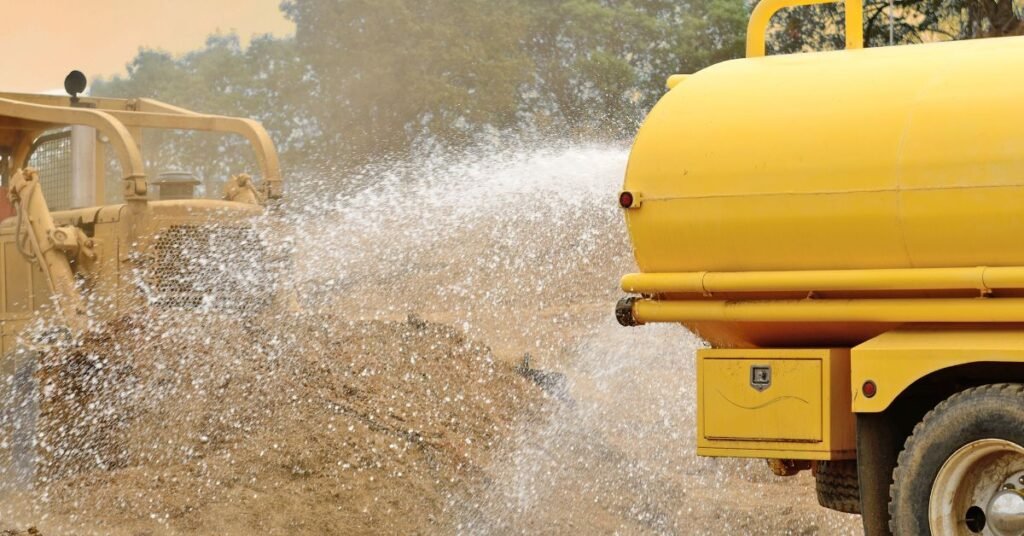
Water trucks serve as an essential tool for dust suppression in various construction and demolition sites. These trucks are equipped with a water distribution system that allows for controlled application of water over large areas, effectively minimizing airborne particles generated during operations. The primary mechanism involves the use of high-capacity tanks and specialized nozzles that produce varied spray patterns tailored to specific site conditions.
The use of water trucks for dust control presents significant environmental advantages, primarily through the reduction of airborne particulates. By effectively suppressing dust, these trucks contribute to improved air quality and health outcomes for surrounding communities. Additionally, the application of water enhances soil stability, mitigating erosion and promoting ecological balance in affected areas.
When employed effectively, water trucks play a crucial role in mitigating airborne particulates, which are a significant contributor to air pollution and respiratory health issues. The application of water suppresses dust generated during demolition activities, thereby reducing particulate matter in the environment. By binding dust particles together, water trucks guarantee that these particulates do not become airborne, leading to improved air quality. Studies indicate that proper dust control measures can lower the concentration of fine particulate matter, which is particularly harmful to human health. Consequently, the implementation of water trucks not only enhances compliance with environmental regulations but also promotes a safer working environment. Ultimately, this contributes to the overall reduction of air pollution, benefiting both workers and nearby communities.
Utilizing water trucks effectively enhances soil stability on construction sites and unpaved roads. The application of water serves multiple functions that contribute to environmental integrity.
Incorporating water trucks into site management strategies not only enhances soil stability but also promotes sustainable construction practices.
Numerous safety considerations must be addressed during demolition projects to guarantee the protection of workers and the surrounding environment. Effective safety protocols are essential to mitigate risks associated with hazardous materials, structural instability, and equipment operation. A thorough hazard assessment should be conducted prior to initiation, identifying potential risks such as asbestos exposure, falling debris, and the presence of underground utilities. Workers must be trained in appropriate safety measures, including the use of personal protective equipment (PPE) and emergency response procedures. In addition, a clear communication strategy should be established, ensuring that all personnel are aware of safety updates and emergency procedures. Continuous monitoring of the site is critical to adapt to any emerging hazards throughout the demolition process. By prioritizing these safety considerations, project managers can enhance overall site safety, ultimately reducing the likelihood of accidents and ensuring compliance with regulatory requirements.
While various types of water trucks serve distinct functions in construction, their primary role revolves around dust control, site compaction, and soil stabilization. Understanding the specific water truck types used for these construction applications can enhance operational efficiency.
Each of these water truck types is essential for maintaining a safe and productive construction environment. Their appropriate selection and application contribute greatly to effective dust control and overall site management.
Effective water trucks are characterized by several key features that enhance their performance in dust control and site management. One significant aspect is the water truck specifications, which include tank capacity, pump power, and nozzle design. A larger tank capacity allows for extended operation without frequent refills, while a powerful pump guarantees ideal water delivery efficiency, allowing for adequate coverage of dust-prone areas.
Additionally, adjustable spray nozzles facilitate targeted application, minimizing waste and maximizing effectiveness. The incorporation of automated systems for controlling water flow can also enhance operational efficiency. Moreover, the truck’s mobility and stability are essential; a robust chassis and drivetrain enable maneuverability across diverse terrains, vital for construction sites.
Finally, effective water trucks often feature integrated monitoring systems to track water usage and delivery rates, making sure that dust control measures are both efficient and sustainable. These features collectively contribute to the effectiveness of water trucks in mitigating dust during demolition activities.
Effective operation of water trucks for dust control necessitates adherence to best practices that guarantee peak performance. Proper equipment maintenance is critical to prevent mechanical failures and guarantee consistent water delivery. Additionally, employing efficient water application techniques can maximize coverage while minimizing waste, enhancing overall dust suppression efforts.
Proper equipment maintenance is essential for maximizing the efficiency and longevity of water trucks used in dust control operations. Implementing a systematic approach to maintenance can greatly reduce downtime and enhance performance. The following best practices are recommended:
Achieving ideal dust control with water trucks requires the implementation of specific application techniques that enhance efficiency and effectiveness. Properly selecting nozzle types and configuring spray patterns is critical to maximizing water distribution and minimizing waste. The following table illustrates various nozzle types and their corresponding spray patterns, highlighting their applications in dust control.
| Nozzle Type | Spray Pattern |
|---|---|
| Flat Fan | Wide coverage |
| Hollow Cone | Targeted application |
| Full Cone | Uniform distribution |
| Adjustable Nozzle | Customizable spray |
Utilizing these techniques guarantees that water trucks operate at their best, effectively suppressing dust while conserving resources. Proper training on these methods further bolsters operational success, leading to improved site safety and compliance with environmental regulations.
While the effectiveness of dust control through water application is influenced by various factors, the frequency and timing of these applications are critical to maximizing results. Proper management of application intervals and ideal timing can greatly enhance dust suppression efforts.
Integrating water trucks with complementary dust control methods enhances overall effectiveness in managing airborne particulates. Water trucks serve as a primary mechanism for suppressing dust; however, their efficacy can be notably improved when combined with alternative methods. Utilizing water sources in conjunction with dust palliatives, such as chemical suppressants or biodegradable solutions, can create a synergistic effect. This combination not only prolongs the dust suppression period but also reduces the frequency of water application, thereby optimizing resource use.
Moreover, employing techniques like soil stabilization or vegetation cover can further mitigate dust generation at demolition sites. By strategically integrating these methods with water trucks, operators can guarantee thorough dust control while minimizing potential environmental impacts. Such an approach enables more efficient management of airborne particulates, creating safer working conditions and adhering to regulatory standards. Overall, the integration of diverse dust control strategies fosters a holistic approach to managing dust during demolition activities.
The cost-effectiveness of water trucks in demolition operations is a significant consideration for project managers aiming to balance budget constraints with environmental compliance. A thorough cost analysis reveals the following factors that enhance operational efficiency:
Incorporating water trucks into demolition projects offers a pragmatic approach to managing dust while ensuring compliance with environmental regulations. The initial investment in water truck deployment can yield significant long-term savings, making them a prudent choice for efficient demolition operations.
Regulatory compliance regarding dust control is governed by a framework of local regulations that mandate effective mitigation strategies. Understanding these regulations is essential for ensuring that dust suppression methods, such as the use of water trucks, meet environmental standards. Implementing compliant dust control measures not only adheres to legal requirements but also enhances operational efficiency and public health.
Compliance with local regulations is essential for effective dust control, particularly in environments where air quality is impacted by construction and industrial activities. Local ordinances often dictate specific compliance requirements that must be adhered to, ensuring that dust emissions are minimized. Key elements of these regulations typically include:
Understanding and adhering to these local ordinances is vital for maintaining air quality and avoiding legal repercussions.
Numerous effective dust mitigation strategies exist that not only comply with local regulations but also enhance overall air quality management. Implementing water trucks for controlled spraying represents a primary approach, guaranteeing adequate moisture levels to suppress particulate matter. Regular adherence to regulatory updates is critical; these updates may mandate specific dust control measures, influencing operational practices. Additionally, integrating water conservation techniques, such as recycling water used in dust suppression, can further optimize resource management. Utilizing dust control additives can also enhance the effectiveness of water, thereby minimizing consumption. Overall, a thorough strategy that incorporates these elements guarantees compliance with standards while promoting sustainable practices and improving air quality in demolition zones.
Multiple case studies have demonstrated the effectiveness of water trucks in mitigating dust emissions across various industries. These case studies highlight the essential role of dust suppression in maintaining air quality and ensuring compliance with environmental regulations. Key findings include:
Construction Sites: Water trucks effectively reduced airborne dust by up to 80% during demolition activities, greatly improving safety and visibility.
Mining Operations: Implementation of water trucks for dust control led to a measurable decrease in particulate matter, resulting in enhanced worker health and reduced environmental impact.
Road Maintenance: Regular application of water from trucks on unpaved roads resulted in a 60% reduction in dust complaints from nearby residents.
These case studies underscore the crucial contribution of water trucks in achieving sustainable dust suppression, highlighting their importance across diverse applications. The data collected reflects a clear correlation between effective water application and improved air quality outcomes.
Proper maintenance and care of water trucks is essential for peak performance and longevity. Regular fluid checks, tire maintenance, and thorough cleaning procedures are critical components that guarantee these vehicles operate efficiently and reduce the risk of mechanical failures. Addressing these aspects systematically enhances reliability in dust control applications.
Regular fluid checks are essential for maintaining the operational efficiency and longevity of water trucks used in dust control applications. Consistent fluid monitoring and routine inspections help identify potential issues before they escalate into costly repairs. Operators should prioritize the following aspects during fluid checks:
Maintaining ideal tire condition is critical for the efficient operation of water trucks in dust control applications. Proper tire maintenance not only enhances performance but also prolongs tire life. Key factors include regular checks on tire pressure and monitoring tread wear. Maintaining optimal tire pressure guarantees better fuel efficiency and reduces the risk of tire blowouts, while adequate tread depth is crucial for traction and stability on uneven surfaces.
| Maintenance Task | Frequency |
|---|---|
| Tire Pressure Check | Weekly |
| Tread Depth Inspection | Monthly |
| Visual Damage Assessment | Before each use |
| Rotation Schedule | Every 5,000 miles |
| Alignment Check | As needed |
Adhering to these guidelines will guarantee that water trucks operate efficiently and safely.
Effective cleaning procedures are essential for the ideal performance and longevity of water trucks utilized in dust control operations. Implementing proper cleaning techniques guarantees efficient dust removal and optimal functionality. Key procedures include:
Adhering to these procedures will enhance the operational efficiency of water trucks in dust suppression activities.
Although water trucks are essential for suppressing dust in various operational settings, the successful deployment of these vehicles heavily relies on the proper training of personnel. Water truck training must encompass a detailed understanding of the vehicle’s operational mechanisms, including water distribution systems, maneuverability, and maintenance protocols. Personnel should be educated on the importance of adjusting water flow rates based on environmental conditions and operational demands, guaranteeing ideal dust suppression.
Furthermore, operational safety is paramount; training should emphasize safe driving practices, awareness of surrounding hazards, and emergency response procedures. Trainees must be adept at conducting pre-operation inspections to identify potential issues that could compromise safety or efficiency. By investing in extensive water truck training programs, organizations can enhance the effectiveness of dust control measures while minimizing risks associated with water truck operation. This structured approach guarantees that personnel are equipped with the necessary skills and knowledge to operate water trucks proficiently and safely.
As industries continue to confront the challenges of dust generation, future innovations in dust control technology are poised to revolutionize traditional methods. Emerging solutions are increasingly leveraging advanced technologies, reflecting a shift toward more efficient and sustainable practices. Key innovations include:
Collectively, these advancements promise to enhance efficacy while promoting sustainability within the industry, addressing both operational and environmental concerns effectively.