
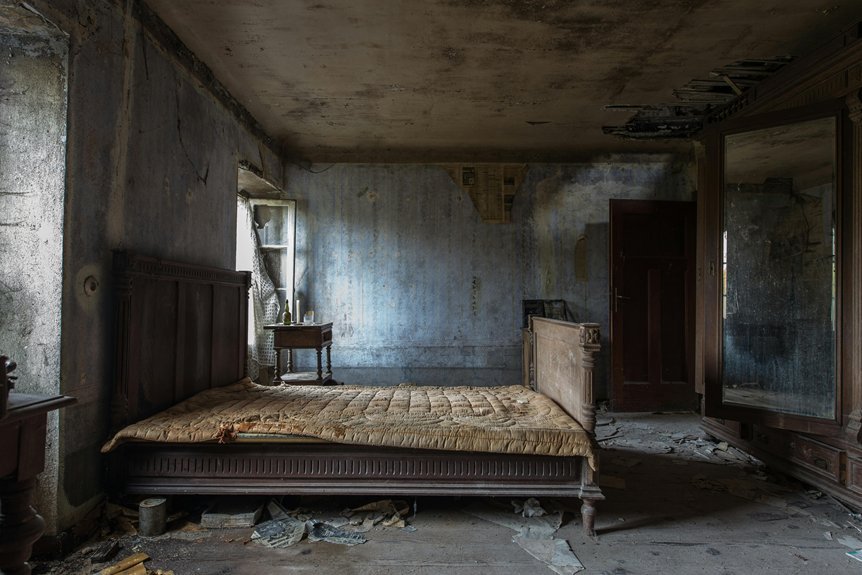
In Denver, about 75% of buildings over 50 years old are eligible for historic designation, reflecting the city’s commitment to preserving its architectural heritage. Understanding the guidelines surrounding historic building demolition is essential, as they involve a complex review process that balances development needs with community values. You’ll soon discover how these regulations shape not just individual properties, but the entire character of Denver’s neighborhoods.
Understanding Historic Designation in Denver
Understanding the historic designation in Denver is crucial if you’re considering the demolition of a building with historical significance. This designation serves as a protective measure for structures deemed essential to the city’s cultural significance. When a building receives historic designation, it often becomes subject to strict regulations aimed at preserving its character and integrity.
Before proceeding with any demolition plans, you must evaluate the building’s historic value and the implications of altering or removing it. Engaging in historic preservation not only honors the past but also contributes to the community’s identity and heritage.
Moreover, you should be aware that demolishing a designated building may require special permits and could face opposition from advocacy groups and the public. Understanding these nuances will guide your decision-making process and help guarantee compliance with local laws while considering the broader implications of your actions on Denver’s cultural landscape.
Importance of Preservation Efforts
Preservation efforts play an essential role in maintaining the character and history of a community. By protecting historic buildings, you safeguard the narratives that shape your neighborhood’s identity. These efforts not only preserve architectural styles and craftsmanship but also foster community engagement. When you engage in preservation initiatives, you contribute to a collective memory that enhances your cultural heritage and connects generations.
Moreover, preserved buildings often serve as focal points for community activities and tourism, boosting local economies. They offer unique spaces that reflect the stories and experiences of those who came before you, enriching the community’s character. As you advocate for preservation, you help instill pride in your surroundings and encourage others to value their local history. Ultimately, your involvement in preservation efforts strengthens the bonds within your community, ensuring that its cultural heritage remains vibrant and alive for future generations.
Key Terms and Definitions
When maneuvering the landscape of historic building demolition, it’s important to familiarize yourself with key terms and definitions that shape this field. Understanding “historic preservation” is crucial; it refers to the practice of protecting and maintaining buildings of historical significance, ensuring their stories endure. “Demolition procedures” encompass the methods and regulations governing the dismantling of structures, especially those with historical value.
You might encounter terms like “adaptive reuse,” which involves repurposing a building for a new function while preserving its historic elements. “Cultural significance” refers to the importance of a building within its community or history, often influencing preservation efforts. Finally, “mitigation” describes actions taken to lessen the impact of demolition on historic resources. By grasping these terms, you’ll navigate the complexities of historic building demolition with greater clarity and effectiveness, aligning your efforts with preservation goals.
The Demolition Review Process
When you submit an application for demolition, it’s essential to understand the specific requirements that must be met. Each submission undergoes a thorough evaluation based on established criteria, ensuring that all factors are considered. By familiarizing yourself with these components, you can navigate the review process more effectively.
Application Submission Requirements
To guarantee a thorough evaluation of your proposed demolition, you’ll need to submit a detailed application that outlines key details about the historic building in question. This application should follow the specified application format and include all necessary documentation. Here’s a quick overview of the essential components you should prepare for the submission process:
| Required Component | Description |
|---|---|
| Building History | A brief summary of the building’s significance and age. |
| Photographic Evidence | Clear images of the building from various angles. |
| Proposed Demolition Plan | Detailed plan outlining the demolition method. |
| Impact Assessment | Analysis of how demolition affects the surrounding area. |
Completing these elements accurately will aid in a smoother review and guarantee your application is processed effectively.
Evaluation Criteria Overview
As you navigate the demolition review process, understanding the evaluation criteria is essential for ensuring your application aligns with the necessary standards. The evaluation methods employed by the city assess factors such as historical significance, architectural integrity, and potential environmental impact. Each criterion holds significance, guiding decision-makers in determining whether a building should be preserved or demolished. By being aware of these criteria, you can better articulate the rationale behind your proposal and address any potential concerns. Engaging with historic preservation advocates and city officials can further enhance your understanding of the evaluation methods in play. Ultimately, demonstrating an informed approach to these criteria will strengthen your application and contribute to a more thoughtful demolition review process.
Criteria for Historic Building Designation
Determining whether a building qualifies for historic designation involves a detailed evaluation of several criteria that reflect its significance. Key aspects include the building’s historic significance, which encompasses its association with important events, people, or trends in history. You should also examine the architectural features that distinguish the structure, such as unique design elements, craftsmanship, and materials that represent a specific period or style.
Additionally, consider the building’s integrity, meaning how much of its original form and character remains intact. Context matters too; a building’s relationship to its surroundings can enhance its historical value. By analyzing these criteria, you can better understand why a structure may merit protection and preservation. Ultimately, recognizing these elements helps guarantee that Denver’s rich architectural heritage is maintained for future generations to appreciate and learn from.
How to Determine if a Building Is Historic
Identifying whether a building holds historic significance requires a systematic approach grounded in specific criteria. To analyze a building’s historic value, consider the following aspects:
- Unique architectural features that reflect historical styles or movements.
- Cultural importance, such as events or individuals pivotal to the community’s history.
- Age of the structure, typically requiring it to be at least 50 years old.
- Context within the neighborhood, demonstrating how it contributes to the area’s historical landscape.
Recognizing these factors helps you navigate the complexities of historic architecture and the preservation challenges that come with it. By thoroughly evaluating these criteria, you can better determine whether a building deserves conservation efforts or if it’s merely a relic of the past. Your findings will play a vital role in shaping the future of historical preservation in Denver.
Application Procedures for Demolition
When you’re preparing to apply for a demolition permit, it’s essential to gather the required documentation. This checklist not only streamlines your application but also guarantees compliance with local regulations. Understanding the review and approval process will help you anticipate any potential delays and facilitate a smoother experience.
Required Documentation Checklist
To successfully navigate the demolition process of a historic building, you’ll need to gather specific documentation that meets regulatory requirements. Familiarizing yourself with the necessary documentation types and submission formats is essential for a smooth experience. Here’s a checklist to help you:
- A completed demolition application form
- Detailed site plans and photographs of the building
- Historical significance documentation
- Proof of notification to adjacent property owners
Each of these items plays an important role in ensuring that your application is considered seriously. By preparing these documents meticulously, you not only adhere to regulations but also honor the history tied to the structure. Taking these steps can greatly enhance your chances of a successful demolition application.
Review and Approval Process
As you submit your demolition application, understanding the review and approval process is vital for ensuring your proposal aligns with local regulations. The city evaluates your application based on specific review criteria, which may include historical significance, architectural value, and environmental impact. Be prepared to provide thorough documentation that addresses these aspects.
The approval timeline varies, often taking several weeks to months, depending on the complexity of your project and community feedback. It’s important to stay informed about potential public hearings and to engage with stakeholders early on. By following these guidelines and anticipating the review criteria, you can streamline the process and increase your chances of a successful approval for your demolition project.
Required Documentation for Demolition Requests
Before submitting a demolition request for a historic building, it’s essential to gather and provide specific documentation that demonstrates compliance with local regulations and preservation standards. Adhering to these documentation requirements not only helps streamline the approval process but also honors the historical significance of the site.
You’ll need to prepare the following:
- Detailed description of the building’s historical significance.
- Photographic evidence capturing the current state of the structure.
- Plans for replacement or redevelopment, if applicable.
- Justification for demolition, explaining why preservation isn’t feasible.
Public Notification and Involvement
Once the necessary documentation for a demolition request is prepared, public notification and involvement become key components of the process. You’ll need to guarantee that the community is adequately informed about the proposed demolition. This typically involves distributing notifications to surrounding residents and stakeholders, which fosters transparency and encourages community engagement.
Public hearings are often scheduled, providing an essential platform for residents to voice their opinions and concerns. During these hearings, you can present the rationale behind the demolition and answer any questions from the public. By actively involving the community, you not only comply with regulatory requirements but also demonstrate respect for local history and sentiment.
Being proactive in these efforts can lead to more constructive dialogues and potentially smoother approvals. It’s vital to view public notification and involvement as opportunities to build trust and foster collaborative relationships within the community.
Potential Outcomes of a Demolition Review
While the review process for a demolition request can yield various outcomes, understanding these potential results is essential for stakeholders involved. The decisions made during this review can have significant demolition impacts on the community and evoke varied responses.
You might encounter outcomes such as:
- Approval of Demolition: Leads to potential loss of historic character.
- Denial of Demolition: Preserves community heritage, but may frustrate developers.
- Conditional Approval: Imposes restrictions, balancing development and preservation.
- Further Review Required: Engages the community in discussions, fostering unity or division.
Each outcome shapes the community’s landscape and sentiment, affecting how residents feel about their surroundings. Being informed about these potential results helps you navigate the complexities of the demolition review process, ensuring that the community’s voice is heard and valued.
Alternatives to Demolition
When considering the future of a historic building, you should explore adaptive reuse opportunities that can breathe new life into the structure while preserving its character. Techniques for preservation and restoration can also help maintain the building’s historical integrity, offering a viable alternative to demolition. By evaluating these options, you can contribute to sustainable development that honors the past.
Adaptive Reuse Opportunities
Although many historic buildings face the threat of demolition due to neglect or changing needs, adaptive reuse presents a viable alternative that preserves cultural heritage while meeting modern demands. By transforming these structures into functional spaces, you not only honor the past but also contribute to sustainable development. Consider the emotional benefits:
- Community Identity: Reinforce local culture and pride.
- Environmental Sustainability: Minimize waste by reducing the need for new materials.
- Economic Growth: Foster new business opportunities within revitalized spaces.
- Aesthetic Appeal: Retain unique architectural features that enhance the urban landscape.
Embracing adaptive reuse fosters a deeper connection to our history, ensuring that historic preservation thrives alongside contemporary needs. It’s a win-win solution for our communities.
Preservation and Restoration Techniques
To preserve the integrity of historic buildings, employing effective preservation and restoration techniques is vital for avoiding demolition. You should prioritize preservation techniques that maintain original materials and craftsmanship, such as using lime-based mortars and traditional roofing methods. These methods not only enhance durability but also uphold historical accuracy. Additionally, consider restoration methods like structural reinforcement and the careful repair of decorative elements. Instead of replacing original features, aim to restore them to their former glory, which can often be more cost-effective in the long run. Engaging skilled craftsmen familiar with historic preservation guarantees that your efforts respect the building’s heritage while extending its lifespan, allowing the community to appreciate its historical significance for years to come.
Environmental Considerations
As you consider the demolition of a historic building, it’s essential to evaluate the environmental impacts that such an action could provoke. The decision isn’t just about the structure; it resonates through the community and the ecosystem. Implementing sustainable practices can mitigate these effects, fostering a balance between development and preservation.
Consider the following environmental impacts:
- Waste Generation: Demolishing a building produces significant waste, often ending up in landfills.
- Energy Consumption: The energy used in demolition and new construction contributes to carbon emissions.
- Habitat Disruption: Demolition can harm local wildlife, disrupting their habitats.
- Cultural Loss: Historic buildings are part of the community fabric, and their loss can diminish local identity.
Financial Incentives for Preservation
When considering the preservation of historic buildings, you should be aware of the financial incentives available to support your efforts. Tax credits can markedly offset renovation costs, while various grant opportunities provide funding specifically for preservation projects. Understanding these options can make a substantial difference in your decision-making process.
Tax Credits Overview
While preserving historic buildings often requires significant investment, tax credits offer a vital financial incentive that can ease the burden. These tax benefits encourage you to make historic investments, ensuring the preservation of your community’s heritage.
Here are some key advantages of utilizing tax credits:
- Reduced financial strain on renovation projects, allowing you to allocate funds more effectively.
- Enhanced property values, as restored historic buildings often attract higher market interest.
- Encouragement of local economic growth, as preservation projects create jobs and stimulate business.
- Strengthened community identity, fostering pride and connection among residents.
Grant Opportunities Available
In addition to tax credits, various grant opportunities can greatly bolster your efforts in preserving historic buildings. Many organizations, including local and national preservation societies, offer funding sources specifically for restoration projects. These grants can cover a range of expenses, from structural repairs to research costs. To access these financial resources, you’ll need to submit a detailed grant application outlining your project’s goals, budget, and historical significance. Be prepared to demonstrate how your project aligns with preservation standards and community benefits. Researching potential funding sources early on can enhance your chances of securing financial support. By leveraging these grants, you can effectively supplement your preservation efforts and guarantee the longevity of Denver’s historic architecture.
Penalties for Non-Compliance
Failure to adhere to historic building demolition guidelines can lead to significant penalties that impact both individuals and organizations. The city enforces strict fines and legal repercussions to maintain the integrity of Denver’s historical landscape. Ignoring these guidelines not only jeopardizes your project but also invites serious consequences.
- Substantial fines that can strain your budget
- Legal repercussions that may affect your reputation
- Potential delays in project timelines, costing more money
- Community backlash, damaging public relations
Understanding the severity of these penalties is essential. Fines enforcement can escalate quickly, and litigation may follow if violations occur. By respecting the guidelines, you not only protect your investment but also contribute to preserving Denver’s rich history. Compliance isn’t just a legal obligation; it’s a commitment to your community and its heritage.
Resources for Property Owners and Developers
As you navigate the complexities of historic building demolition, it is crucial to tap into available resources that can guide you through the process. Start by reaching out to local preservation organizations, which often provide valuable community resources. These groups can offer insights into best practices and regulatory requirements specific to Denver. Additionally, staying informed about ongoing Denver city attractions and events can help you understand the broader context of preservation within the community. Engaging with local stakeholders will not only enhance your knowledge of the demolition process but also allow you to contribute positively to the cultural landscape. By fostering these connections, you can ensure that any changes align with the values and interests of Denver residents.
Additionally, consider exploring funding opportunities that may be available for your project. Grants and low-interest loans from state and federal programs can help offset the costs associated with restoration or compliant demolition. Engaging with the Denver Landmarks Preservation Commission can also connect you with experts who specialize in historic properties.