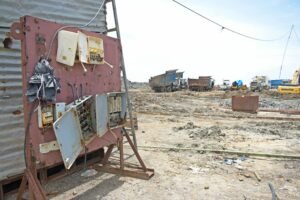
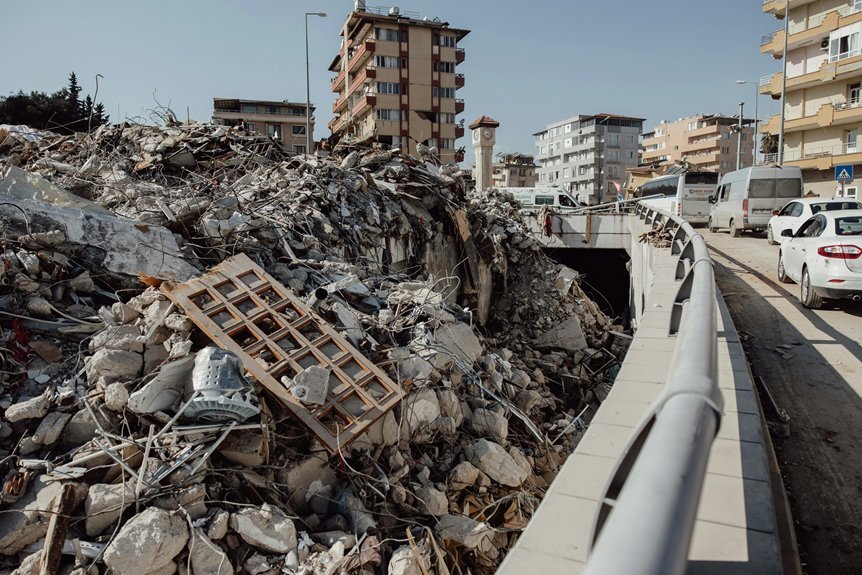
In the aftermath of a disaster, the intersection of disaster restoration and demolition becomes vital. Each field plays a distinct yet complementary role in ensuring safety and efficiency. Structural assessments guide the demolition of unsafe buildings, while restoration efforts aim to salvage and repair what remains. This synergy not only facilitates effective debris removal but also emphasizes sustainability. Understanding how these processes intertwine reveals deeper insights into the recovery landscape and its complexities.
Understanding Disaster Restoration
When disasters strike, whether due to natural events or human error, understanding disaster restoration becomes essential for affected individuals and communities.
Disaster restoration encompasses a systematic approach aimed at returning properties and lives to pre-disaster conditions. Central to this process is disaster preparedness, which involves creating robust plans and protocols to reduce damage before it occurs.
Effective recovery planning is equally important, as it outlines the steps necessary for restoring infrastructure and services while addressing the emotional and psychological needs of those impacted.
The restoration process typically includes damage assessment, debris removal, and the repair or replacement of affected structures. Professionals in this field utilize specialized equipment and techniques to guarantee safety and efficiency.
Empathy plays a significant role, as restoration teams must navigate the complex emotions of those affected while providing clear communication and support.
Ultimately, successful disaster restoration not only restores physical spaces but also fosters resilience within communities.
The Role of Demolition in Recovery
In the aftermath of a disaster, a thorough structural safety assessment is essential to determine the integrity of affected buildings.
Demolition plays a critical role in this recovery process by facilitating the safe removal of hazardous debris, thereby preventing further risk to both responders and the community.
Effective debris removal not only clears the way for restoration efforts but also helps restore a sense of normalcy in the aftermath of devastation.
Structural Safety Assessment
Although the aftermath of a disaster often leaves communities in turmoil, a thorough structural safety assessment plays an essential role in determining the viability of damaged buildings and infrastructure.
These assessments involve detailed safety evaluations conducted by qualified professionals who analyze structural integrity, identifying risks that may jeopardize public safety. By employing advanced techniques such as load testing and material analysis, structural assessments guarantee that only safe structures are preserved or rehabilitated.
Conversely, buildings deemed unsafe are marked for demolition, facilitating a more efficient recovery process. This careful evaluation not only prioritizes safety but also aids in restoring community confidence, allowing residents to regain a sense of normalcy while traversing the complexities of rebuilding their lives.
Debris Removal Process
Effective debris removal is a critical component of disaster recovery, greatly influencing the speed at which communities can rebuild and restore normalcy.
This process involves meticulous planning and execution, utilizing various techniques to address different debris types.
Key components include:
- Hazard identification to guarantee safety during removal.
- Site preparation to facilitate efficient cleanup strategies.
- Equipment usage tailored to specific debris removal techniques.
- Waste management and recycling options to minimize environmental impact.
Assessing Structural Damage
Evaluating structural damage is critical in determining the safety and viability of a building after a disaster.
Visual damage assessment techniques provide initial insights into visible impairments, while structural integrity testing methods offer a more thorough evaluation of the building’s capacity to withstand future stresses.
Together, these approaches guarantee that restoration efforts are informed and that potential hazards are effectively mitigated.
Visual Damage Assessment Techniques
A thorough visual damage assessment is essential for accurately evaluating structural integrity after a disaster. This process involves a systematic visual inspection to identify visible damage, which serves as a foundation for subsequent decision-making.
Proper damage documentation is vital for insurance claims and restoration planning. Key techniques include:
- Identification of Cracks: Observing size and location to assess potential structural issues.
- Surface Discoloration: Noting water stains or mold growth that indicate underlying problems.
- Misalignment: Checking for shifts in doors, windows, or walls that may suggest foundation issues.
- Debris Analysis: Examining fallen materials to understand the extent of damage.
These techniques provide critical insights, allowing professionals to prioritize safety and effectively strategize restoration efforts.
Structural Integrity Testing Methods
Numerous structural integrity testing methods exist to evaluate the extent of damage following a disaster, providing essential data for informed decision-making.
Non-destructive testing (NDT) techniques, such as ultrasonic testing and radiography, are critical in evaluating hidden flaws without compromising structural elements. These methods allow professionals to detect internal defects, ensuring a thorough understanding of the structure’s condition.
Additionally, load-bearing analysis is crucial in determining whether a building can support anticipated loads after sustaining damage. By integrating NDT and load-bearing evaluations, engineers can offer accurate recommendations regarding repairs or the necessity for demolition.
This empathetic approach prioritizes safety while addressing the concerns of affected occupants, ultimately guiding the recovery process in a thoughtful manner.
Salvaging Materials and Resources
Salvaging materials and resources during disaster restoration and demolition is a critical practice that not only reduces waste but also promotes sustainability. This approach emphasizes material reuse and resource recovery, which can greatly benefit both the environment and the economy.
By carefully evaluating salvageable items, professionals can minimize the ecological footprint of demolition and restoration projects.
Key aspects of salvaging include:
- Reclaimed Wood: Valuable for new construction or furniture projects.
- Metal Scraps: Can be recycled and repurposed for various applications.
- Fixtures and Appliances: Salvaged for resale or reuse in future projects.
- Building Materials: Bricks, tiles, and concrete can be repurposed, reducing landfill contributions.
Through effective salvaging techniques, the dual objectives of waste reduction and resource optimization can be achieved, fostering a more sustainable approach in disaster scenarios.
Coordinating Efforts Between Restoration and Demolition
Effective coordination between restoration and demolition teams is essential for maximizing efficiency and minimizing environmental impact in disaster recovery efforts. Collaborative planning serves as the foundation for successful integration of both disciplines, ensuring that each team is aligned in their objectives and timelines. This approach requires a thorough assessment of the site, identifying which structures can be salvaged and which must be demolished.
Communication strategies play a pivotal role in this coordination. Regular briefings and updates enhance transparency, allowing teams to adjust their actions based on real-time information. Utilizing digital platforms can facilitate timely exchanges of critical data, further streamlining the workflow.
Empathy towards the emotional toll on affected communities also enhances collaboration, fostering a sense of shared purpose among professionals.
When restoration and demolition teams work in tandem, they not only expedite recovery but also promote sustainable practices, ultimately benefiting both the environment and the individuals impacted by disasters.
Safety Protocols in Disaster Recovery
While traversing the complexities of disaster recovery, adherence to rigorous safety protocols is paramount to protect both workers and affected communities. Effective safety measures encompass thorough safety training and risk management strategies that prioritize worker protection. Ensuring compliance with established standards is essential in mitigating potential hazards during restoration and demolition efforts.
Key components of safety protocols include:
- Hazard identification: Systematically recognizing potential dangers in the work environment.
- Emergency procedures: Developing clear action plans to address unforeseen incidents swiftly.
- Safety equipment: Providing appropriate personal protective equipment (PPE) to mitigate risks.
- Accident prevention: Implementing proactive measures to reduce the likelihood of injuries.
These protocols not only foster a culture of safety but also enhance the overall efficiency of disaster recovery operations, ensuring that both personnel and communities remain safeguarded throughout the process.
Environmental Considerations
Environmental considerations play a critical role in the intersection of disaster restoration and demolition. Effective waste management strategies are essential to minimize the ecological impact of both processes. During demolition, materials often become waste; as a result, implementing sustainable practices such as recycling and reusing salvaged materials can greatly reduce landfill contributions.
Restoration efforts must also prioritize ecological integrity, ensuring that hazardous materials are disposed of safely and that restoration methods do not further harm the environment.
Moreover, the adoption of green technologies in both fields fosters a more sustainable approach. For instance, utilizing eco-friendly demolition techniques can mitigate air and noise pollution.
Case Studies of Successful Collaboration
Successful collaboration between disaster restoration and demolition teams can greatly enhance recovery outcomes in post-disaster scenarios. Case studies illustrate the effectiveness of these partnerships, showcasing the benefits of collaborative projects.
For instance, in a recent flood recovery effort, joint teams were able to:
- Expedite site assessments, allowing for faster decision-making.
- Efficiently remove hazardous debris, ensuring safety for restoration crews.
- Implement environmentally sustainable demolition practices, minimizing waste.
- Foster clear communication channels, enhancing coordination among stakeholders.
These partnership benefits exemplify how integrated approaches not only streamline processes but also improve community resilience.
Frequently Asked Questions
What Qualifications Do Disaster Restoration Professionals Need?
Disaster restoration professionals typically require specific qualifications to guarantee compliance with industry standards.
These may include certifications from recognized organizations, such as the Institute of Inspection, Cleaning and Restoration Certification (IICRC). Professionals often undergo training in water damage restoration, mold remediation, and fire damage restoration, adhering to certification requirements.
Additionally, a deep understanding of safety protocols and environmental regulations is essential, equipping them to handle sensitive situations with empathy and expertise.
How Can I Prepare My Home for Potential Disasters?
Preparing a home for potential disasters involves several proactive steps.
First, conducting a thorough home inspection can identify vulnerabilities, such as faulty wiring or weak structural elements.
Additionally, assembling an emergency kit stocked with essential supplies—water, non-perishable food, first aid items, and important documents—ensures readiness during emergencies.
Regularly updating the kit and practicing evacuation plans fosters resilience, empowering homeowners to respond effectively should disaster strike, ultimately safeguarding both property and lives.
What Are Common Myths About Disaster Restoration?
Disaster restoration myths often lead to misunderstandings about the process and its effectiveness.
Common restoration misconceptions include the belief that all damage can be immediately repaired, or that insurance will cover all restoration costs.
Additionally, some individuals think DIY methods can suffice, underestimating the need for professional intervention.
These myths can hinder timely recovery, emphasizing the importance of understanding the nuances of disaster restoration to guarantee proper support and effective recovery outcomes.
How Does Insurance Coverage Work for Restoration and Demolition?
In the United States, approximately 60% of homeowners have insufficient insurance coverage for disaster-related losses.
Insurance claims for restoration and demolition can vary greatly, often influenced by coverage limits stated in the policy. Homeowners must carefully review their policies to understand the extent of coverage for both restoration services and demolition costs.
Adequate knowledge guarantees that individuals can navigate the complexities of claims, ultimately mitigating financial burdens during challenging times.
What Post-Disaster Resources Are Available for Affected Families?
Post-disaster resources available for affected families include disaster assistance programs that provide financial aid for immediate needs, such as housing and food.
Additionally, community support networks play an essential role in offering emotional support and practical help, including counseling services and volunteer assistance for recovery efforts.
These resources aim to alleviate the hardships faced by families, ensuring they have access to necessary support during the challenging recovery process following a disaster.