
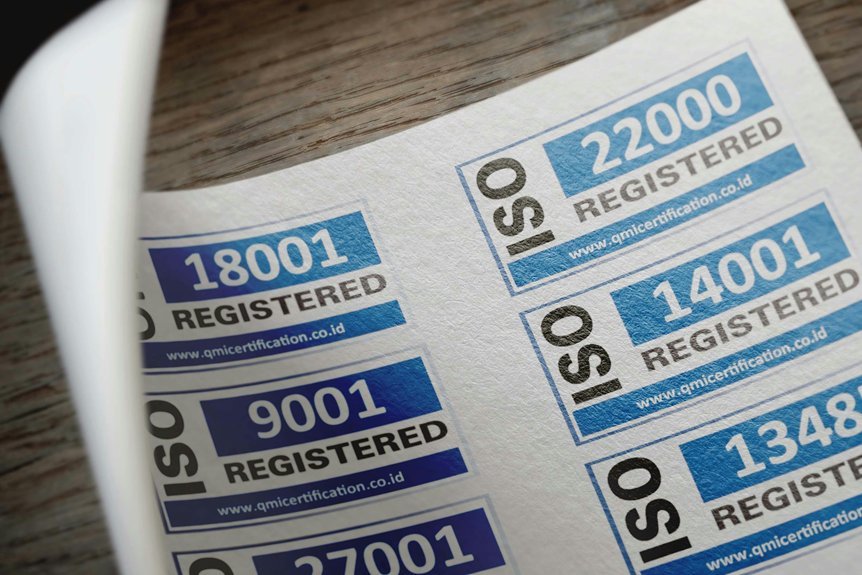
The certification process for reclaimed materials is essential to ensuring their quality and safety. This process begins with thorough inspections and assessments, followed by rigorous testing to meet established standards. Documentation is critical for traceability and authenticity. Understanding the intricacies of this certification can shed light on both the challenges and opportunities within the market. As demand for sustainable options grows, the implications for vendors and consumers alike become increasingly significant.
Understanding Reclaimed Materials and Their Benefits
Although the concept of reclaimed materials may seem straightforward, a deeper examination reveals a complex interplay of environmental, economic, and aesthetic benefits. The sustainability benefits of using reclaimed materials are significant; they reduce the demand for new resources, thereby lessening the environmental impact associated with extraction and production processes. By repurposing existing materials, the construction and design industries can minimize waste, promoting a circular economy where resources are continually reused.
Economically, reclaimed materials often present cost advantages, as they can be less expensive than new alternatives and reduce disposal costs. Aesthetic advantages also play an essential role; reclaimed materials frequently possess unique character and history that appeal to consumers and designers. Overall, understanding reclaimed materials involves recognizing their multifaceted benefits, which collectively contribute to more sustainable practices in various industries while addressing pressing environmental concerns.
The Importance of Certification in Reclaimed Materials
Certification of reclaimed materials plays an essential role in ensuring their quality, authenticity, and safety, as it establishes a standardized benchmark for both producers and consumers. This certification process not only reinforces the importance of sustainability within the building and design sectors but also fosters consumer trust in the materials they choose to use.
- Quality Assurance: Certification guarantees that reclaimed materials meet specific industry standards, reducing the risk of inferior products.
- Environmental Impact: Certified materials contribute to sustainable practices by promoting recycling and reducing waste, aligning with eco-friendly goals.
- Market Value: Certification enhances the resale value of reclaimed materials, making them more attractive to buyers who prioritize responsible sourcing.
In essence, the certification of reclaimed materials is pivotal for validating their integrity and supporting a more sustainable future, ultimately bridging the gap between environmental responsibility and consumer confidence.
Initial Inspection and Assessment of Materials
The initial inspection and assessment of reclaimed materials serve as a critical first step in the certification process, guaranteeing that the materials meet established quality and safety standards. During this phase, an initial evaluation is conducted to identify the type, condition, and provenance of the materials. This assessment focuses on material sourcing, examining factors such as the origin, previous usage, and any potential contaminants. Inspectors utilize systematic methodologies, including visual examinations and documentation verification, to ascertain the integrity of the materials.
This meticulous approach not only identifies materials suitable for resale but also helps in establishing traceability, which is essential for compliance with environmental regulations. Additionally, the initial evaluation informs subsequent steps in the certification process, laying the groundwork for more rigorous testing and processing. By prioritizing thorough initial inspections, stakeholders can guarantee that reclaimed materials uphold the desired standards of safety and quality before they enter the marketplace.
Testing for Quality and Safety Standards
Testing for quality and safety standards in reclaimed materials is essential for ensuring compliance with established safety regulations. This process involves systematic material testing procedures that assess both the structural integrity and potential hazards of the reclaimed components. By adhering to rigorous testing protocols, stakeholders can validate the safety and reliability of these materials for various applications.
Compliance With Safety Regulations
While guaranteeing compliance with safety regulations is essential for the use of reclaimed materials, it necessitates rigorous testing to meet established quality and safety standards. This process involves evaluating materials against specific criteria to guarantee they are safe for use in construction and other applications.
Key components of regulatory compliance include:
- Material Origin Verification: Confirming that reclaimed materials originate from approved sources.
- Hazardous Substance Testing: Identifying and mitigating risks from harmful chemicals or contaminants.
- Structural Integrity Assessment: Guaranteeing materials can withstand intended loads and stresses.
Adhering to these safety standards not only protects end-users but also fosters trust in the reclaimed materials market, reinforcing the importance of thorough testing and certification processes.
Material Testing Procedures
Ensuring compliance with safety regulations necessitates a robust framework for material testing procedures, which play a pivotal role in determining the quality and safety of reclaimed materials. Effective material sourcing strategies require adherence to established testing protocols that evaluate various parameters, such as structural integrity, chemical composition, and potential contaminants. These procedures often involve standardized methods, including mechanical testing, chemical analysis, and environmental assessments, to guarantee that reclaimed materials meet industry benchmarks. Additionally, rigorous documentation of testing results fosters transparency and trust in the certification process. By employing a systematic approach to material testing, stakeholders can ensure that reclaimed materials not only adhere to safety standards but also offer long-term durability and functionality in their applications.
Documentation and Traceability Requirements
Establishing robust documentation and traceability requirements is vital for the certification of reclaimed materials. Effective documentation processes and traceability systems guarantee that materials can be tracked throughout their lifecycle, thereby enhancing transparency and accountability. These requirements help verify the origin and history of reclaimed materials, which is significant for maintaining quality and sustainability standards.
- Chain of Custody: Detailed records must be maintained to trace the material from source to end-user.
- Material History: Thorough documentation should outline previous uses, treatment processes, and any alterations made to the materials.
- Compliance Evidence: Documentation must demonstrate adherence to relevant regulations and standards, guaranteeing that reclaimed materials meet industry expectations.
Through meticulous adherence to these requirements, stakeholders can foster trust and reliability in the certification of reclaimed materials, promoting a more sustainable approach to resource management.
Certification Agencies and Their Roles
Certification agencies play a critical role in establishing and upholding standards for reclaimed materials, ensuring that products meet specific criteria for sustainability and safety. This overview of certification standards will highlight the key certification organizations that govern the industry, providing insight into their methodologies and impact on market practices. Understanding these roles is essential for stakeholders aiming to navigate the complexities of reclaimed materials certification effectively.
Certification Standards Overview
As the demand for sustainable building practices increases, the role of certification agencies becomes essential in establishing standards for reclaimed materials. These agencies implement rigorous certification processes to guarantee the quality and sustainability of reclaimed wood products. The standards encompass various criteria, including:
- Source Verification: Confirming reclaimed wood is sourced from environmentally responsible locations.
- Material Integrity: Evaluating the structural quality and safety of reclaimed materials.
- Traceability: Providing documentation that traces the material’s origin and history.
These certification processes not only enhance consumer confidence but also support the broader goals of sustainability in construction. By adhering to established standards, certification agencies play a pivotal role in promoting the responsible use of reclaimed materials, thereby contributing to environmental conservation and reducing waste.
Key Certification Organizations
The landscape of reclaimed materials certification is shaped considerably by several key organizations dedicated to ensuring adherence to sustainability and quality standards. Prominent agencies, such as the Forest Stewardship Council (FSC) and the International Organization for Standardization (ISO), play pivotal roles in establishing guidelines that mitigate certification challenges. These organizations assess the environmental impact of reclaimed materials, verifying that products fulfill stringent criteria that promote responsible sourcing and waste reduction. Their involvement not only enhances consumer trust but also fosters industry accountability. By providing rigorous evaluation processes, these certification bodies help stakeholders navigate the complexities of material sourcing, ultimately contributing to a more sustainable built environment. Their certifications signify a commitment to quality and ecological responsibility in the reclaimed materials market.
The Role of Reclaimed Material Vendors
Numerous vendors specializing in reclaimed materials play a critical role in promoting sustainability within the construction and manufacturing sectors. These vendors facilitate the effective use of reclaimed resources, which not only reduces waste but also supports environmentally friendly practices. Through strategic vendor partnerships, they can navigate market challenges, such as fluctuating demand and resource availability, ensuring a consistent supply of certified materials.
- Establishing rigorous sourcing practices to guarantee quality
- Building relationships with certification organizations for compliance
- Educating clients on the benefits and uses of reclaimed materials
Market Demand for Certified Reclaimed Materials
While the construction and manufacturing industries increasingly prioritize sustainability, the market demand for certified reclaimed materials has surged considerably. This demand is driven by a growing awareness of sustainable sourcing practices and the need to reduce environmental impact. Companies are recognizing the value of certified materials not just for compliance, but as a competitive advantage in a market increasingly focused on eco-friendly solutions.
| Market Trend | Growth Rate | Key Drivers |
|---|---|---|
| Construction Sector | 15% | Green building initiatives |
| Manufacturing Sector | 12% | Legislative pressures |
| Retail Sector | 10% | Consumer preference |
These market trends illustrate a significant shift towards reclaimed materials, indicating that businesses are adapting to consumer expectations and regulatory frameworks. As awareness continues to grow, the potential for certified reclaimed materials to become mainstream is promising, facilitating a more sustainable future.
Innovative Applications of Certified Reclaimed Materials
Exploring the innovative applications of certified reclaimed materials reveals a transformative potential across various industries. These materials not only contribute to sustainable architecture but also foster creative reuse, enabling architects and designers to rethink traditional building practices. The integration of reclaimed materials is evident in several notable applications:
- Furniture Design: Reclaimed wood is increasingly used in bespoke furniture, providing unique aesthetics while reducing environmental impact.
- Building Facades: Innovative architects are utilizing reclaimed bricks and stones to create visually dynamic and historically resonant building exteriors.
- Art Installations: Artists are harnessing reclaimed materials to craft installations that provoke thought about consumption and sustainability.
Such applications highlight the versatility of certified reclaimed materials, demonstrating their capacity to enhance aesthetic appeal and promote ecological responsibility. By redefining resource usage, these materials pave the way for a more sustainable future in design and construction.
Conclusion
Ultimately, the meticulous certification of reclaimed materials serves as a beacon of sustainability in an era increasingly defined by environmental consciousness. Through rigorous inspection and testing, reclaimed materials transform from forgotten relics into valuable assets, echoing stories of their past while meeting modern safety standards. This intricate dance of preservation and innovation not only enhances their market appeal but also cultivates a new appreciation for the beauty of responsibly sourced materials, fostering a circular economy that thrives on authenticity.