Identifying old-growth lumber involves a careful analysis of specific wood characteristics. Factors such as density, growth rings, and unique grain patterns are essential indicators of a tree’s age and ecological significance. Additionally, the presence of natural defects can enhance aesthetic value, while color variations may reveal environmental influences during growth. Understanding these elements is vital, but sourcing practices also play a significant role in preservation efforts. Exploring these aspects further is necessary for informed decision-making.
Understanding Old-Growth Lumber
Although the term “old-growth lumber” is often used colloquially, it encompasses specific ecological and developmental characteristics that distinguish it from younger timber. Old growth ecosystems are defined by their complexity, featuring multi-layered canopies, diverse understories, and the presence of large, ancient trees, which provide critical habitat for numerous species. The historical significance of these ecosystems cannot be overstated; they serve as living records of ecological succession and resilience, reflecting centuries of environmental changes and adaptations. In addition, old-growth lumber typically exhibits unique grain patterns and density, resulting from the slow growth rates of trees in these ecosystems. This wood is often prized for its durability and aesthetic qualities. Understanding the ecological context and historical importance of old-growth lumber is essential for conservation efforts and sustainable forestry practices, ensuring that these valuable resources are preserved for future generations.
Key Characteristics of Old-Growth Wood
Old-growth wood is characterized by distinct physical and structural attributes that set it apart from younger timber varieties. Its density is often higher, resulting from slow growth rates over long periods, which contributes to enhanced durability and strength. The growth rings in old-growth trees are typically tighter and more pronounced, reflecting a timber history that reveals climate conditions throughout the years. This wood often features unique color variations and natural defects, such as knots and mineral streaks, which add to its aesthetic and functional appeal. Additionally, the ecological significance of old-growth wood is profound; it often harbors complex ecosystems and supports biodiversity. The presence of heartwood, which provides resistance to decay, further distinguishes old-growth lumber from younger counterparts. These attributes not only enhance its desirability for sustainable construction practices but also underscore the importance of preserving old-growth forests for future generations.
The Importance of Grain Patterns
Grain patterns in old-growth lumber serve as critical indicators of both aesthetic quality and structural integrity. The unique variations in grain not only enhance the visual appeal of the wood but also reflect the growth conditions and age of the tree, contributing to its overall durability. Analyzing these patterns allows for a more informed assessment of the wood’s potential applications in construction and design.
Unique Aesthetic Appeal
The intricate patterns found within old-growth lumber serve as a demonstration of its unique aesthetic appeal, showcasing a complexity that is seldom replicated in younger wood. These distinctive grain patterns contribute considerably to the wood’s timeless beauty and rustic charm. When evaluating the aesthetic value of old-growth lumber, several key factors emerge:
- Grain Variation: Diverse grain patterns create visual interest and depth.
- Color Depth: Rich, varied hues emerge from decades of growth.
- Texture: The tactile quality enhances its appeal, making it desirable for artisanal applications.
- Historical Significance: Each piece holds a narrative, reflecting its environmental history.
Together, these elements underscore the irreplaceable aesthetic qualities that old-growth lumber embodies, making it a worthy candidate for preservation.
Structural Integrity Indicators
Distinctive grain patterns in old-growth lumber not only contribute to its aesthetic appeal but also serve as significant indicators of structural integrity. These patterns, shaped by centuries of growth, reflect the tree’s response to environmental conditions, revealing essential information about its moisture content and strength. Tight, consistent grain often indicates a denser wood, which correlates with durability and resistance to warping. Conversely, erratic grain can signify stress or irregular growth, potentially compromising structural reliability. The historical significance of such lumber further enhances its value, as it embodies the resilience of past ecosystems. Analyzing these grain patterns allows for a thorough assessment of old-growth lumber, ensuring its preservation and ideal use in restoration projects.
Evaluating Durability and Strength
In the assessment of old-growth lumber, evaluating durability and strength is critical, necessitating a thorough examination of wood density as a primary indicator of resilience. Additionally, checking for signs of rot is essential to guarantee the integrity of the material, as decay can considerably compromise performance. Finally, the examination of grain patterns, which often correlates with structural soundness, provides further insights into the wood’s overall quality and longevity.
Assessing Wood Density
Wood density serves as a critical metric in evaluating the durability and strength of lumber, particularly when identifying old-growth specimens. This characteristic can be quantified and analyzed through several factors that influence wood’s performance attributes, including:
- Wood Hardness: Denser woods typically exhibit greater resistance to wear and denting.
- Moisture Content: The balance of moisture affects density; lower moisture often correlates with higher strength.
- Grain Structure: Tight, uniform grain patterns generally indicate increased durability.
- Species Classification: Certain species are inherently denser and more durable, impacting their suitability for restoration.
Evaluating these factors allows for a nuanced understanding of wood density, essential for preserving valuable old-growth lumber while ensuring its longevity and structural integrity.
Checking for Rot
Evaluating the presence of rot is an essential step in determining the durability and strength of old-growth lumber. Effective rot detection involves a thorough visual inspection and tactile assessment. Inspectors should look for discoloration, soft spots, or fungal growth, which are indicative of deterioration. In addition, a moisture assessment is vital, as high moisture levels considerably contribute to rot development. Utilizing moisture meters can provide precise readings, guiding the evaluator to high-risk areas. It is important to assess not only the surface but also internal sections of the lumber, as hidden rot can compromise structural integrity. By combining visual checks with moisture assessments, one can accurately gauge the extent of decay and make informed decisions about the lumber’s viability.
Examining Grain Patterns
Grain patterns serve as critical indicators of the durability and strength of old-growth lumber. Analyzing the grain texture and visual patterns reveals essential characteristics that can determine the wood’s longevity. Evaluators should consider the following factors:
- Tightness of Grain: Denser, closely spaced growth rings typically indicate greater strength.
- Irregular Patterns: Unique patterns may suggest resilience against environmental stressors.
- Color Variation: Darker hues often signify higher resin content, enhancing durability.
- Presence of Knots: While some knots can weaken the structure, well-placed knots may add aesthetic and functional value.
Recognizing Unique Color Variations
Color variations in old-growth lumber serve as critical indicators of its age and ecological history. The color significance in these timbers often reflects the environmental conditions during growth, including soil composition, moisture levels, and exposure to sunlight. Hue variations may range from deep browns to vibrant reds and unique yellows, each offering insights into the species of the tree and its growth environment. For instance, darker hues often indicate a slower growth rate, typical of older trees, while lighter shades may suggest faster growth in more favorable conditions. Additionally, chemical processes such as the presence of certain minerals and organic matter can alter the wood’s coloration over time. Recognizing these variations is essential for discerning the quality and authenticity of old-growth lumber, allowing for informed decisions regarding its preservation and potential use in sustainable practices. Understanding these nuances enhances appreciation for the material’s historical and ecological value.
Identifying Age and Growth Rings
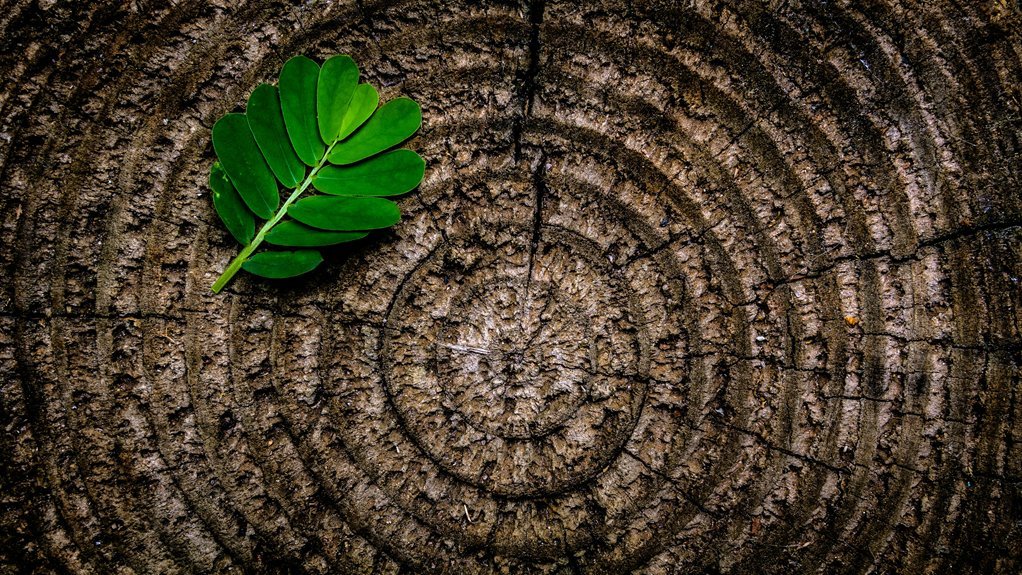
The analysis of growth rings provides a reliable method for determining the age of old-growth lumber, revealing vital information about a tree’s growth history. By examining the growth rings, one can ascertain the environmental conditions and biological factors that influenced the tree’s development. The following steps outline the significant aspects of growth ring analysis:
- Count the Rings: Each ring represents a year of growth; therefore, counting them indicates the tree age.
- Examine Ring Width: Wider rings often signify favorable growth conditions, while narrower rings may indicate stressors such as drought or disease.
- Identify Patterns: Irregularities or patterns in the rings can provide insights into historical climate variations and ecological events.
- Assess Wood Density: Variations in density within the rings may indicate changes in growth rates, further informing the tree’s life history.
These methods are essential for accurately identifying and preserving old-growth lumber.
Assessing Surface Imperfections
Numerous surface imperfections can greatly impact the aesthetic and structural integrity of old-growth lumber. Surface flaws, such as scratches, dents, and discoloration, can detract from the wood’s visual appeal and indicate underlying issues. A thorough damage assessment is essential to determine the severity and implications of these imperfections. For instance, deep scratches may expose the wood to moisture, increasing the risk of decay or insect infestation. Additionally, checking for warping or cupping is vital, as these conditions can compromise the lumber’s strength and usability. Evaluators should also consider the presence of knots and splits, which can affect both the aesthetic value and load-bearing capacity. By meticulously documenting these surface imperfections, one can make informed decisions regarding the restoration or repurposing of the lumber, ensuring that valuable old-growth materials are preserved effectively.
Checking for Sustainability Certifications
When evaluating old-growth lumber, checking for sustainability certifications serves as a critical step in guaranteeing environmentally responsible sourcing and management practices. Various certification bodies establish sustainability standards that assure consumers of the ecological integrity of the lumber. Consequently, the following factors should be considered:
- FSC Certification: The Forest Stewardship Council, recognized globally, guarantees that lumber is sourced from responsibly managed forests.
- PEFC Certification: The Programme for the Endorsement of Forest Certification focuses on sustainable forest management and promotes the use of certified wood products.
- SFI Standards: The Sustainable Forestry Initiative emphasizes responsible forestry practices and the conservation of biodiversity.
- Rainforest Alliance: Certification by this body signifies that the lumber meets rigorous standards for environmental, social, and economic sustainability.
Tips for Sourcing Old-Growth Lumber
Sourcing old-growth lumber requires careful consideration of various factors to guarantee both quality and sustainability. Potential sourcing locations include demolition sites, vintage wood retailers, and specialized salvage yards where old structures can be carefully dismantled. Each site presents unique opportunities for acquiring high-quality materials that have historical significance.
Utilizing effective reclaiming techniques is essential for preserving the integrity of old-growth lumber. These methods often involve meticulous disassembly to avoid damage, followed by thorough cleaning and treatment to eliminate pests or contaminants. Identifying the specific wood species and evaluating its condition are critical steps; seasoned professionals often rely on visual inspection and moisture content analysis.
Additionally, tracing the provenance of the lumber guarantees that it is sourced ethically and legally, reinforcing the commitment to environmentally responsible practices. By employing these strategies, individuals can successfully source old-growth lumber that meets both aesthetic and ecological standards.
Conclusion
To sum up, identifying old-growth lumber worth saving requires a nuanced understanding of its distinctive characteristics. Much like a seasoned sommelier discerning the subtle notes in a fine wine, one must carefully evaluate the wood’s density, grain, and color variations to appreciate its ecological history. A study by the Forest Products Laboratory revealed that old-growth wood can be up to 20% stronger than younger counterparts, underscoring the importance of preserving these invaluable resources for future generations.