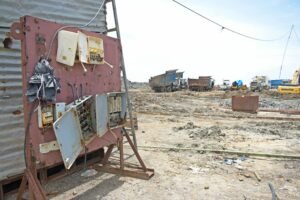

Scheduling a demolition project around weather conditions demands meticulous planning and adaptability. It is essential to assess real-time forecasts alongside historical weather patterns to pinpoint the best operational windows. By integrating buffer periods into the timeline, unexpected weather-related delays can be effectively managed. In addition, leveraging advanced weather monitoring tools aids in making informed decisions. The next steps involve understanding how to implement these strategies while ensuring safety and efficiency throughout the project.
Understanding Weather Patterns and Their Impact on Demolition
When planning a demolition, understanding weather patterns is essential, as adverse conditions can greatly impact safety and efficiency. Weather can influence various demolition techniques, dictating the choice of methods and equipment. For instance, high winds can pose risks when using cranes or aerial tools, necessitating a reevaluation of scheduled tasks. Rain or snow may create slippery surfaces, increasing the likelihood of accidents and delays. Moreover, understanding what demolition entails goes beyond just the physical act; it requires a comprehensive awareness of these environmental factors to ensure a safe working environment. Planners must also consider seasonal variations that could affect project timelines and budgets. By factoring in weather patterns, teams can proactively implement safety measures and adjust their strategies, minimizing potential disruptions during the demolition process. Additionally, it is crucial to consider neighbors’ rights during demolition noise, as excessive sounds can lead to complaints and potential legal issues. Effective communication with the surrounding community about the project’s timeline and expected noise levels can help mitigate tensions. Furthermore, scheduling noisy activities during less disruptive hours can demonstrate respect for locals while maintaining project efficiency. Failing to account for these weather-related factors is one of the top demolition planning mistakes that can lead to significant setbacks. Construction teams must incorporate contingency plans for inclement weather to ensure that safety protocols are strictly followed. By proactively addressing potential challenges posed by weather patterns, teams can maintain momentum and avoid costly delays. Additionally, weather considerations are crucial for assessing the impact on trees during demolition, as strong winds or heavy precipitation can destabilize root systems or lead to falling branches. An understanding of local flora and potential weather-related disturbances can help in planning for protective measures that preserve nearby vegetation. This foresight not only enhances safety but also contributes to environmental sustainability during the demolition process.
Additionally, temperature extremes can affect the performance of machinery and materials, potentially leading to mechanical failures or compromised structural integrity.
Planning for Seasonal Weather Variations
Although weather patterns can vary greatly from season to season, effective planning for these seasonal variations is essential in the demolition process. Project managers must consider seasonal considerations such as temperature, precipitation, and wind conditions when developing timelines. For instance, winter weather can lead to freezing conditions, delaying progress, while summer storms may cause hazardous working environments.
To mitigate these risks, it is critical to incorporate project flexibility into the schedule, allowing for adjustments based on real-time weather forecasts. Building in buffer periods can accommodate potential delays, ensuring that the project remains on track despite unpredictable weather. Additionally, selecting the right time of year for specific tasks can enhance safety and efficiency. By proactively addressing seasonal variations, demolition teams can optimize resources and maintain productivity, ultimately leading to a smoother project execution and successful completion.
Utilizing Technology for Weather Monitoring
How can technology enhance weather monitoring for demolition projects? By leveraging advanced weather apps and climate data, project managers can make informed decisions that improve scheduling. These tools provide real-time updates on weather conditions, forecasts, and potential hazards, allowing for proactive planning.
Weather apps offer features such as radar imagery and severe weather alerts, which are vital for anticipating sudden changes that could impact safety and project timelines. Additionally, integrating climate data—historical patterns and seasonal trends—enables teams to identify ideal demolition windows and avoid adverse conditions.
Utilizing this technology not only enhances situational awareness but also minimizes delays and financial losses associated with unexpected weather events. Ultimately, incorporating reliable weather monitoring technology is essential for ensuring that demolition projects proceed smoothly, safeguarding both personnel and resources while adhering to timelines.
Implementing Safety Precautions During Adverse Conditions
Advanced weather monitoring tools provide essential information for demolition projects, but implementing safety precautions during adverse conditions remains a top priority. Workers must be equipped with appropriate safety gear, including helmets, gloves, and harnesses, to mitigate risks associated with high winds, rain, or extreme temperatures. Additionally, it is vital to establish and communicate clear emergency protocols. These protocols should outline procedures for evacuating the site safely, securing equipment, and addressing potential hazards that may arise due to weather fluctuations.
Training sessions should reinforce these protocols, ensuring that all team members are familiar with their roles and responsibilities during adverse conditions. Regular safety audits can also help identify potential vulnerabilities in the project plan, allowing for adjustments before adverse weather occurs. By prioritizing safety gear and thorough emergency protocols, demolition teams can effectively navigate the challenges posed by unpredictable weather, ensuring the protection of both personnel and property. Additionally, staying informed about local regulations, such as the demolition regulation in Colorado, is crucial for compliance and safety. Implementing these regulations during planning and execution ensures that all safety measures align with state requirements. Ultimately, fostering a culture of safety and adaptability will enhance the team’s resilience in the face of severe weather challenges.
Adjusting Project Timelines Based on Weather Forecasts
When considering the impact of weather forecasts on demolition schedules, project managers must strategically adjust timelines to mitigate potential delays. This involves closely monitoring weather predictions and understanding their implications on site operations. For instance, heavy rain or high winds can halt work, necessitating a proactive approach to schedule flexibility.
By incorporating real-time weather data into planning, project managers can anticipate disruptions and reschedule activities accordingly. This not only minimizes downtime but also guarantees that resources are effectively allocated during favorable conditions.
Moreover, establishing a buffer period within the project timeline allows for unforeseen weather events, enhancing overall project resilience. Communication with all stakeholders about these adjustments is essential to maintain alignment and guarantee that everyone is prepared for potential changes. Ultimately, adapting project timelines in response to weather impact is key to successfully maneuvering the complexities of demolition projects.
Conclusion
To summarize, scheduling a demolition project around weather demands strategic foresight and adaptability. By understanding weather patterns, planning for seasonal variations, and employing advanced monitoring technology, project managers can mitigate risks effectively. As the adage goes, “An ounce of prevention is worth a pound of cure.” This proactive approach, combined with clear communication among stakeholders, guarantees that projects remain on track and that safety is prioritized, ultimately leading to successful and efficient demolition operations.