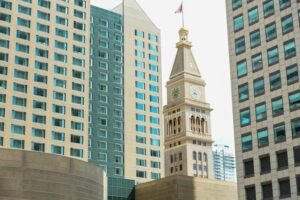

Selective façade retention serves as a strategic approach to blend the old with the new in urban development. This technique preserves the external structures of historically significant buildings while accommodating modern architecture behind them. The process involves meticulous planning and engineering to guarantee the integrity of retained façades. Understanding the intricacies of this method reveals its impact on urban identity and the architectural landscape. What implications does this have for future city planning and cultural heritage?
Understanding Selective Façade Retention
Although architectural preservation often emphasizes the importance of maintaining historical integrity, selective façade retention presents a nuanced approach that balances heritage conservation with modern development needs. This technique involves preserving only the exterior elements of a building that hold significant cultural or historical value, while allowing for the interior to be remodeled or entirely replaced. By doing so, urban identity is maintained through the retention of recognizable architectural features that contribute to the character of a neighborhood.
Selective façade retention enables developers to integrate contemporary designs with historical contexts, fostering a dialogue between old and new. This strategy not only enhances the aesthetic appeal of urban landscapes but also reinforces community identity, as familiar façades evoke shared memories and narratives. Ultimately, this method serves to reconcile the demands of urban growth with the imperative to honor and protect architectural integrity, ensuring that the past remains an essential part of the urban fabric.
The Process of Selective Façade Retention
The methodology of selective façade retention involves a systematic approach to preserving building exteriors while accommodating modern architectural needs. This process integrates innovative construction techniques with careful consideration of structural integrity.
- Assessment: Initial evaluations determine the condition of the existing façade and identify elements that can be preserved or need reinforcement.
- Planning: Architects design new structures that complement the retained façade, guaranteeing aesthetic coherence and functionality.
- Reinforcement: Structural supports are installed to stabilize the preserved elements, preventing deterioration during construction.
- Integration: The new build is constructed in conjunction with the façade, blending old and new materials seamlessly to create a cohesive appearance.
Through these steps, selective façade retention not only honors historical architecture but also guarantees that modern necessities are met without compromising the integrity of the original structure.
Historical Significance and Preservation
While modern architectural demands often prioritize functionality and efficiency, the historical significance of façades cannot be overlooked. These structures serve as tangible links to the past, embodying cultural heritage and reflecting the architectural identity of their time. Selective façade retention allows for the preservation of these historic elements, ensuring that the stories and craftsmanship embodied in the original designs endure amidst urban development.
Environmental Benefits of Selective Façade Retention
Recognizing the environmental benefits of selective façade retention reveals its potential to greatly reduce waste and resource consumption in urban redevelopment. This practice aligns with the principles of sustainable architecture and enhances urban ecology by minimizing the carbon footprint associated with demolition and new construction.
Key environmental benefits include:
- Material Conservation: Preserving existing facades reduces the need for new materials, conserving natural resources.
- Waste Reduction: By retaining structures, less construction debris ends up in landfills, promoting a circular economy.
- Energy Efficiency: Existing facades can be retrofitted for improved insulation, lowering energy demands for heating and cooling.
- Urban Biodiversity: Historical facades can support local ecosystems, fostering habitats for urban wildlife.
Through these advantages, selective façade retention not only revitalizes urban landscapes but also contributes to a more sustainable future.
Cost-Effectiveness and Economic Advantages
Cost-effectiveness in urban redevelopment is greatly enhanced through selective façade retention, as this approach minimizes both construction costs and long-term financial burdens. By preserving existing structures, developers can achieve significant cost savings related to demolition, waste disposal, and new material procurement. This method not only reduces immediate expenses but also mitigates the potential for unforeseen costs associated with extensive renovations or rebuilds.
Furthermore, financial incentives often accompany selective façade retention initiatives. Local governments may offer tax breaks, grants, or subsidies aimed at encouraging the preservation of historical elements while promoting urban renewal. Such incentives can effectively offset the initial investment, enhancing the overall economic viability of projects.
Ultimately, selective façade retention presents a strategic opportunity for developers to align economic interests with sustainable practices, fostering vibrant urban environments while ensuring fiscal responsibility. This dual advantage positions selective façade retention as a compelling option in contemporary redevelopment strategies.
Design Flexibility and Modernization
In the context of selective façade retention, design flexibility emerges as a pivotal element in modern architecture. Employing adaptive reuse strategies allows for the seamless integration of contemporary elements with historic structures, fostering a dialogue between the past and the present. This approach not only enhances aesthetic appeal but also optimizes functionality, ensuring that buildings remain relevant in evolving urban landscapes.
Adaptive Reuse Strategies
How can the principles of design flexibility and modernization be effectively integrated into adaptive reuse strategies? This approach emphasizes sustainability practices while retaining historical integrity. Effective strategies include:
- Modular Design: Allows for easy reconfiguration of spaces to meet evolving needs.
- Energy-Efficient Systems: Integrates modern HVAC and lighting technologies to minimize environmental impact.
- Material Reclamation: Utilizes salvaged materials from the original structure, preserving character while promoting sustainability.
- Open Floor Plans: Facilitates versatile use of the space, catering to various functions and enhancing user experience.
Blending Old With New
Adaptive reuse strategies provide a foundation for integrating contemporary design elements within historical frameworks, allowing for a seamless blend of old and new. This approach emphasizes heritage integration, where the original architectural features are preserved while accommodating modern functionalities. By employing innovative materials and techniques, architects create spaces that maintain the character of the historic structure while introducing elements that enhance usability and aesthetics. Achieving architectural harmony involves careful consideration of scale, proportion, and context, ensuring that contemporary additions complement rather than overshadow their historic counterparts. This synergy not only respects the past but also revitalizes urban environments, fostering a dialogue between different eras and promoting sustainable development through thoughtful modernization.
Case Study: Successful Urban Revitalization
While urban revitalization often necessitates extensive redevelopment, the selective retention of façades has emerged as a strategic approach that marries historical preservation with modern functionality. A notable case study exemplifying this method can be found in a city’s historic district, where a blend of architectural heritage and contemporary design catalyzed community revitalization. The project achieved significant milestones, including:
- Preserved Historic Elements: Original brickwork and ornate cornices were maintained to honor the area’s history.
- Modern Amenities: New interiors were equipped with energy-efficient systems, enhancing livability.
- Public Spaces: The addition of plazas and parks encouraged community interaction and social cohesion.
- Economic Growth: Local businesses flourished, contributing to a robust urban economy.
This selective façade retention not only rejuvenated the neighborhood but fostered a sense of identity, demonstrating that urban renewal can harmoniously integrate the old with the new.
Challenges in Selective Façade Retention
Despite the potential benefits of selective façade retention, several challenges arise that can complicate the implementation of such projects. A primary concern is guaranteeing the structural integrity of retained façades, which may require extensive assessments and reinforcements. Additionally, achieving design compatibility between the historic façade and new construction poses aesthetic and technical hurdles.
| Challenge | Description | Potential Solutions |
|---|---|---|
| Structural Integrity | Evaluating the safety of existing materials | Conduct thorough structural audits |
| Design Compatibility | Integrating old and new architectural styles | Collaborate with design experts |
| Cost Implications | Budget overruns due to unforeseen complexities | Implement detailed cost analysis |
| Regulatory Compliance | Adhering to local preservation laws | Engage with regulatory bodies early |
| Project Timeline | Delays from design and engineering challenges | Develop a phased project plan |
These challenges necessitate careful planning and collaboration among stakeholders to guarantee successful outcomes.
Regulatory Considerations and Approvals
Regulatory considerations for selective façade retention encompass compliance with zoning codes and adherence to historic preservation regulations. These frameworks dictate the parameters within which developers must operate, ensuring that architectural integrity and community standards are upheld. Understanding these regulations is essential for successful project approval and implementation.
Zoning Code Compliance
Zoning code compliance is a critical component in the execution of selective façade retention projects, as it guarantees alignment with local regulations and community standards. Adhering to zoning regulations may present compliance challenges, necessitating a thorough understanding of the local framework. Key aspects include:
- Height Restrictions: Ensuring the retained façade does not exceed designated height limits.
- Setback Requirements: Confirming that the façade maintains appropriate distances from property lines.
- Land Use Designations: Verifying that the project aligns with the intended use of the area.
- Aesthetic Guidelines: Meeting community standards for design and visual impact.
Navigating these factors effectively can enhance project viability and foster positive community relations throughout the selective façade retention process.
Historic Preservation Regulations
Historic preservation regulations play a pivotal role in selective façade retention projects, ensuring that alterations respect the historical and architectural significance of existing structures. These regulations often encompass guidelines that reflect the historic context of the building and the surrounding area, reinforcing preservation ethics in development practices. Compliance with such regulations may require consultations with local preservation boards and adherence to national standards.
| Aspect | Importance | Example |
|---|---|---|
| Historical Integrity | Maintains culture | Restored facades |
| Community Identity | Fosters pride | Iconic landmarks |
| Economic Value | Boosts tourism | Revitalized areas |
| Environmental Impact | Sustainable design | Green retrofits |
Adhering to these regulations not only preserves architectural beauty but also enriches community heritage.
Community Engagement and Stakeholder Involvement
While the preservation of architectural heritage is essential, effective community engagement and stakeholder involvement play an equally important role in the success of selective façade retention projects. These processes guarantee that the voices and concerns of the community are integral to the planning and execution phases.
Key aspects of community engagement and stakeholder involvement include:
- Public Workshops: Facilitating discussions that gather community feedback and ideas.
- Advisory Committees: Forming groups of local stakeholders to provide insights and recommendations.
- Transparent Communication: Maintaining open channels for updates and addressing concerns throughout the project.
- Collaborative Design Sessions: Inviting stakeholders to participate in the design process, fostering a sense of ownership and investment.
Through stakeholder collaboration, projects can better reflect community values, ultimately leading to more successful and culturally resonant outcomes in selective façade retention initiatives.
Future Trends in Selective Façade Retention
The evolution of selective façade retention is increasingly shaped by innovative approaches that prioritize sustainability and adaptive reuse. Future trends indicate a rising integration of digital innovations, enabling architects and engineers to create sophisticated simulations for façade preservation. These technologies facilitate precise assessments of structural integrity and aesthetic value, allowing for informed decisions regarding which elements to retain.
Moreover, the adoption of sustainable materials is set to transform the façade retention landscape. Utilizing recycled or low-impact materials not only enhances environmental performance but also supports the authenticity of architectural heritage. As demand for energy-efficient buildings grows, facades will likely incorporate advanced insulation systems and renewable energy technologies, further aligning with sustainability goals.
This fusion of digital advancements and eco-friendly practices presents a promising horizon for selective façade retention, ultimately fostering a balance between historic preservation and modern architectural needs.
Conclusion: The Future of Architectural Preservation
As the discourse surrounding architectural preservation evolves, it becomes increasingly clear that a synthesis of traditional methods and modern innovations is essential for future success. The integration of effective preservation techniques will enhance urban aesthetics while respecting historical integrity. Future strategies may encompass:
- Adaptive Reuse: Transforming old structures for new purposes while retaining key architectural elements.
- Sustainable Materials: Utilizing eco-friendly resources that align with contemporary environmental standards.
- Digital Documentation: Employing advanced technology for precise restoration and preservation planning.
- Community Engagement: Involving local stakeholders to foster a sense of ownership and appreciation for historical landmarks.
This multi-faceted approach will not only safeguard the past but also enrich urban landscapes, ensuring that the narrative of each structure endures. By harmonizing preservation techniques with innovative design, cities can cultivate environments that celebrate history while embracing the future.
Conclusion
In the urban tapestry, where modern glass towers rise like sentinels of progress, selective façade retention stands as a bridge to the past, cradling the weathered stones of history against sleek silhouettes. This harmonious coexistence not only protects cultural legacies but also breathes new life into the urban environment. As cities evolve, the delicate dance of preservation and innovation guarantees that the stories etched in brick and mortar continue to resonate amidst the clamor of change.