
The timeline for a small house tear-down can vary markedly based on numerous factors. Typically, the entire process spans 3 to 6 months, involving stages such as property assessment, budget creation, and obtaining permits. Each phase requires careful planning and execution to guarantee compliance with local regulations. Understanding these steps is vital for anyone considering a tear-down. What challenges might arise during this timeline, and how can they impact the overall project?
Understanding the Need for a Tear-Down
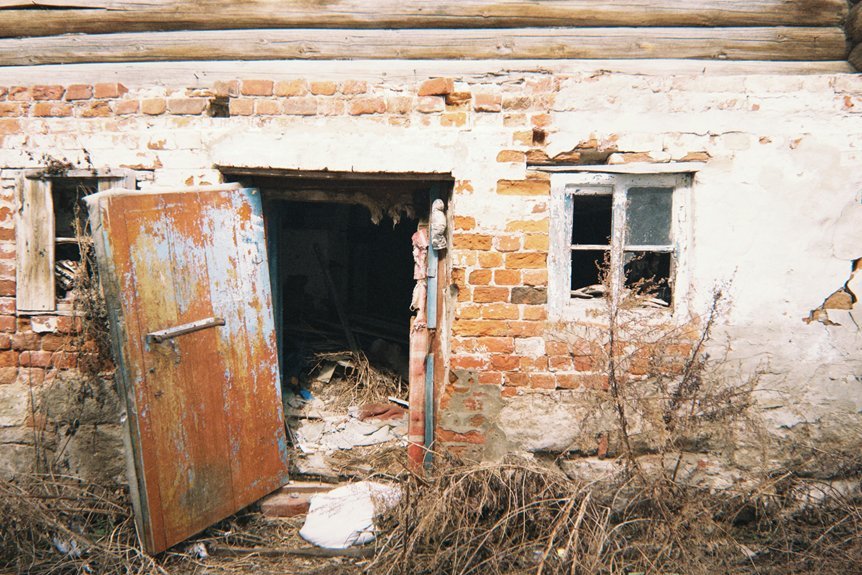
When homeowners find themselves faced with a deteriorating structure, understanding the need for a tear-down becomes essential. The decision often arises from the recognition of significant structural issues that threaten safety and functionality. Aging foundations, persistent leaks, and extensive pest damage can render a home not only uncomfortable but also hazardous.
Evaluating the cost benefits is vital in this situation. Repairing such extensive damage may prove more expensive than starting anew, especially when considering the long-term investment in a new, more energy-efficient structure. A tear-down allows homeowners to create a modern living space tailored to their needs, potentially increasing property value and appeal.
Moreover, embracing a tear-down can be a strategic move in urban areas where land is at a premium, allowing for the construction of larger homes or multi-family units. Ultimately, understanding these factors can lead to informed decisions about the future of a property.
Assessing the Property
Before proceeding with a tear-down, a thorough assessment of the property is essential to determine its viability for renovation or reconstruction. This initial stage involves a detailed property evaluation, focusing on structural integrity, zoning regulations, and environmental considerations. A careful land assessment is vital, as it identifies any potential restrictions or advantages the site may present.
Key factors include the condition of existing utilities, soil quality, and the surrounding neighborhood. Engaging in this detailed evaluation helps to ascertain whether the costs of rebuilding outweigh the benefits, or if a renovation might suffice. Additionally, understanding the property’s historical context can influence decisions, especially in areas with preservation laws. Ultimately, this meticulous process guarantees that homeowners make informed choices, aligning their vision with practical realities and potentially saving time and resources in the long run.
Engaging Professionals
Following an extensive property assessment, engaging professionals becomes a vital step in the tear-down process. Homeowners must prioritize contractor selection, ensuring they choose a reputable contractor with experience in demolition and new construction. This involves researching potential candidates, reviewing past projects, and checking references to establish reliability and competence.
Additionally, architectural consultation plays a significant role in this phase. Collaborating with an architect allows homeowners to translate their vision into practical designs, ensuring compliance with local regulations and maximizing the property’s potential. An architect can provide insights into layout optimization and structural considerations, which are essential for a successful project.
Creating a Budget
Creating a budget for a small house tear-down requires careful estimation of total costs, including demolition, disposal, and potential site preparation. Allocating contingency funds is essential to accommodate unexpected expenses that may arise during the project. Additionally, prioritizing essential expenses guarantees that critical elements are funded first, enabling a smoother shift to the next phase of development.
Estimate Total Costs
Estimating total costs for a small house tear-down involves careful consideration of several key expenses that can greatly impact the overall budget. A detailed cost breakdown should include demolition fees, permits, site cleanup, and disposal costs. Homeowners must also be vigilant about hidden expenses, such as potential environmental remediation or unforeseen structural issues that may arise once the teardown begins. Additionally, utility disconnection fees and the cost of transporting materials can add to the financial burden. By meticulously analyzing these factors, individuals can develop a more accurate budget, ensuring that they allocate funds appropriately for each stage of the project. This thorough approach helps mitigate financial surprises and paves the way for a smoother demolition process.
Allocate Contingency Funds
While developing a budget for a small house tear-down, it is essential to allocate contingency funds to address unexpected expenses that may arise during the project. Effective contingency planning enhances budget flexibility, ensuring that financial resources can accommodate unforeseen challenges. Key considerations for allocating contingency funds include:
- Site Conditions: Unforeseen issues such as soil contamination or structural problems may necessitate additional funds.
- Permitting Delays: Unexpected changes in local regulations may lead to additional permitting costs.
- Material Price Fluctuations: Prices for materials can vary, impacting the overall budget.
- Labor Costs: Changes in labor requirements or availability may increase expenses.
Prioritize Essential Expenses
When planning for a small house tear-down, prioritizing essential expenses is vital for maintaining a balanced budget. Cost prioritization involves identifying and allocating funds to the most significant elements of the project, ensuring that essential needs are met without overspending. Key expenses may include permits, demolition services, and disposal fees. By analyzing the budget, homeowners can distinguish between necessary costs and discretionary spending, allowing for informed decision-making. This approach not only safeguards the project from unexpected financial strain but also promotes efficiency in resource allocation. Ultimately, a well-structured budget that emphasizes essential expenses lays a solid foundation for a successful tear-down, paving the way for future construction or renovation endeavors.
Obtaining Necessary Permits
Obtaining the necessary permits is a critical step in the process of tearing down a small house, as it guarantees compliance with local regulations and safeguards the environment. This phase involves understanding various permit types and managing the application process effectively.
Key considerations include:
- Building Permit: Required for any structural changes or demolitions.
- Environmental Permit: Addresses potential impacts on local ecosystems.
- Utility Disconnection Permit: Ensures safe removal of utilities prior to demolition.
- Asbestos Survey and Permit: Mandatory if the structure contains hazardous materials.
Managing the permit landscape can be complex, requiring careful attention to detail and adherence to local guidelines. Failure to secure the appropriate permits may result in fines, project delays, or even legal action. Therefore, thorough preparation and understanding of the necessary permits are essential for a smooth tear-down process.
Planning the Timeline
Developing a thorough timeline is essential for the successful execution of a small house tear-down project. Effective project management hinges on identifying key timeline milestones, which serve as critical checkpoints throughout the process. The timeline should begin with the initial planning stages, including obtaining necessary permits and finalizing contractor agreements. Next, it should outline the demolition phase, specifying the duration of each task and the allocation of resources.
Subsequent milestones may include site preparation, utility disconnections, and debris removal. By establishing these markers, project managers can monitor progress and guarantee that the tear-down proceeds on schedule. Additionally, a well-structured timeline allows for adjustments in case of unforeseen delays, such as weather conditions or supply chain issues. Ultimately, a meticulously planned timeline not only enhances efficiency but also minimizes disruptions, guaranteeing that the project is completed smoothly and within budget.
Notifying Neighbors
Notifying neighbors about a small house tear-down is a vital step in the process, as effective communication can foster goodwill and alleviate concerns. Timing and method of notification play significant roles in ensuring that neighbors feel informed and respected. An organized approach not only helps in managing potential objections but also contributes to a smoother changeover for the entire community.
Importance of Communication
How can effective communication transform the experience of a small house tear-down for both homeowners and their neighbors? Clear expectations and effective messaging play a crucial role in minimizing disruption and fostering goodwill. By keeping neighbors informed, homeowners can mitigate concerns and build a supportive community environment.
Here are four key aspects of effective communication:
- Advance Notice: Informing neighbors about the timeline and scope of the tear-down helps them prepare for any disturbances.
- Open Dialogue: Encouraging questions and addressing concerns fosters trust and transparency.
- Regular Updates: Providing ongoing information during the process guarantees neighbors feel involved and respected.
- Post-Project Follow-Up: Engaging with neighbors after the tear-down can strengthen relationships and alleviate lingering apprehensions.
Timing and Method
Effective communication lays the groundwork for a smooth tear-down process, but the timing and method of notifying neighbors are equally important. Implementing effective timing strategies guarantees that neighbors are informed well in advance, allowing them to prepare for potential disruptions. Ideally, notifications should occur at least two weeks before demolition begins, providing ample time for residents to voice concerns. Various methods, such as direct letters, community meetings, or informal conversations, can enhance understanding and foster goodwill. Additionally, employing considerate demolition techniques, such as minimizing noise during early hours, can further ease neighbor tensions. By prioritizing timely notifications and employing thoughtful communication methods, project managers can mitigate backlash and cultivate a cooperative atmosphere throughout the tear-down process.
Preparing for Demolition
Before the heavy machinery arrives, careful preparation for demolition is essential to guarantee a smooth and safe process. A well-structured demolition checklist guarantees that all necessary steps are taken during site preparation. This phase is vital for minimizing risks and adhering to safety regulations.
- Obtain Necessary Permits: Confirm all local permits are secured to avoid legal complications.
- Conduct Asbestos and Hazardous Material Testing: Identify and safely handle any toxic materials present in the structure.
- Prepare the Site: Clear the area of debris and establish a secure perimeter to protect the surrounding environment.
- Notify Neighbors: Inform nearby residents of the impending demolition, allowing them to prepare for any disruptions.
Disconnecting Utilities
Disconnecting utilities is a critical step in the demolition process that guarantees the safety of workers and the surrounding community. This procedure involves the careful disconnection of water, gas, electricity, and sewage services, adhering strictly to established utility disconnection procedures. Prior to commencing this task, a thorough safety measures checklist should be developed, outlining necessary precautions to mitigate risks associated with exposed lines and potential hazards.
Utility companies are often notified in advance to schedule disconnections, ensuring that the process is conducted by trained professionals. During this phase, workers must wear appropriate protective gear and be mindful of existing infrastructure that may pose additional risks. Proper documentation of disconnections is essential for compliance with local regulations and for future reference. Overall, effective utility disconnection not only promotes safety but also lays the groundwork for a successful demolition operation.
Demolition Day
As Demolition Day arrives, teams prepare by implementing rigorous safety precautions to protect workers and nearby structures. Heavy machinery such as excavators and bulldozers is utilized to efficiently dismantle the building, ensuring that the process adheres to local regulations. With a focus on safety and precision, the demolition crew meticulously orchestrates each step to minimize risks and maximize effectiveness.
Safety Precautions Taken
Demolition day commenced with a meticulous assessment of safety protocols, guaranteeing that every precaution was in place before the heavy machinery moved in. The team prioritized the well-being of workers and bystanders alike, implementing stringent measures to mitigate risks.
Key safety precautions included:
- Mandatory Safety Gear: All personnel donned hard hats, gloves, and protective eyewear to shield against debris and hazards.
- Site Perimeter Security: Barriers were erected to keep unauthorized individuals at a safe distance from the demolition area.
- Emergency Protocols: Clear evacuation routes and first aid stations were established, preparing the team for any unforeseen incidents.
- Regular Safety Briefings: Daily meetings guaranteed that all workers were aware of potential risks and updated safety measures.
These practices exemplified a thorough approach to safety during the demolition process.
Equipment Used During Demolition
With safety measures firmly established, the focus shifted to the array of equipment necessary for effective demolition. Various demolition machinery types were utilized, including hydraulic excavators, which are essential for their strength and precision during heavy equipment usage. A thorough demolition tools overview revealed important tools such as wrecking balls and concrete saws, crucial for dismantling structures efficiently. Site preparation equipment, like bulldozers and graders, guaranteed the area was primed for safe operations. Additionally, waste management equipment, including dumpsters and compactors, was employed to handle debris responsibly. Environmental impact tools, such as dust suppression systems, minimized the ecological footprint of the project, reflecting a commitment to sustainable practices while maintaining operational efficiency.
Waste Disposal and Recycling
Effective waste disposal and recycling are essential components in the small house tear-down process. Implementing efficient waste management strategies not only minimizes environmental impact but also optimizes resource recovery. The following practices can notably enhance recycling efforts:
- Material Segregation: Sort materials on-site to separate recyclable items from non-recyclable waste.
- Reuse of Salvageable Items: Identify and remove fixtures, appliances, and materials that can be reused in new constructions or renovations.
- Local Recycling Facilities: Partner with nearby recycling centers to guarantee proper disposal of recyclable materials, such as concrete, wood, and metals.
- Documentation: Keep records of disposed materials and recycling efforts to track waste reduction and promote accountability.
Site Cleanup
The site cleanup phase following a small house tear-down is essential for ensuring a safe and environmentally responsible process. This stage encompasses the systematic removal of debris, implementation of safety measures to protect workers and the surrounding community, and adherence to environmental regulations. Addressing these elements not only promotes a clean site but also mitigates potential hazards and ecological impacts.
Debris Removal Process
A thorough debris removal process is essential for guaranteeing a safe and efficient site cleanup after a small house tear-down. This phase not only clears the area but also promotes responsible waste management. Key steps include:
- Debris Sorting: Segregating materials into categories such as wood, metal, and concrete.
- Identifying Recycling Options: Researching local facilities that accept recyclable materials to minimize landfill waste.
- Hazardous Waste Management: Properly handling and disposing of any hazardous materials, including asbestos or lead.
- Final Site Inspection: Conducting a detailed review to guarantee all debris has been removed and the site is safe for future construction.
Site Safety Measures
Ensuring a safe environment during site cleanup is paramount for preventing accidents and injuries. Effective site assessments are essential, as they offer a thorough overview of potential hazards present after a tear-down. This process involves careful hazard identification, which allows teams to recognize risks such as unstable debris, sharp objects, or hazardous materials. Proper training in safety protocols, including the use of personal protective equipment (PPE), is crucial for all personnel involved in the cleanup. Regular safety meetings reinforce awareness and encourage communication about any emerging risks on-site. By prioritizing these safety measures, the likelihood of accidents can be markedly reduced, fostering a more secure and efficient cleanup process that adheres to regulatory standards.
Environmental Considerations
While conducting site cleanup after a small house tear-down, it is crucial to address environmental factors to mitigate potential ecological impacts. Sustainable demolition practices not only reduce waste but also guarantee that harmful materials are handled appropriately. Key aspects to reflect on include:
- Asbestos and Lead Removal: Identify and safely dispose of hazardous materials.
- Recycling Materials: Salvage reusable components, such as wood and metal, to minimize landfill contributions.
- Soil Remediation: Test and treat contaminated soil to prevent long-term environmental degradation.
- Waste Management: Implement a thorough waste management plan to track and reduce the overall environmental impact.
Planning the New Build
As the decision to build a new home takes shape, careful planning becomes essential for success. This phase involves thorough evaluation of design considerations, which encompass aesthetics, functionality, and sustainability. Homeowners must envision how each space will serve their daily lives, ensuring that the layout meets both current and future needs.
Simultaneously, adherence to zoning regulations is critical. These rules dictate what can be constructed on the property, including height restrictions, setbacks, and land use. Understanding local zoning laws informs design choices and prevents costly alterations later in the process.
Moreover, collaborating with architects and builders can enhance the planning stage, ensuring that innovative designs align with legal guidelines. By balancing creative aspirations with regulatory frameworks, homeowners can lay a solid foundation for their new build, ultimately leading to a successful and fulfilling construction experience.
Starting the Rebuilding Process
Once the planning phase concludes, homeowners can commence the rebuilding process, which requires a meticulous approach to guarantee every aspect aligns with their vision. This stage is vital for transforming ideas into reality, and several key considerations come into play:
- Design Inspirations: Homeowners should explore various styles and themes that resonate with their personal aesthetics.
- Material Selection: The choice of materials greatly impacts durability, energy efficiency, and overall appeal, making it essential to choose wisely.
- Budgeting: Establishing a clear budget helps in making informed decisions without overspending.
- Hiring Professionals: Engaging architects, designers, and contractors can streamline the process and secure compliance with local regulations.
Final Inspections and Approvals
Before homeowners can fully enjoy their newly rebuilt space, they must navigate the critical phase of final inspections and approvals. This process guarantees that the construction adheres to local building codes and safety regulations, safeguarding the investment made in the new home.
The approval process typically involves multiple inspections, including structural, electrical, and plumbing checks. Homeowners often find it beneficial to understand the various stages involved. The table below outlines key components of final inspections:
| Inspection Type | Purpose | Typical Timeline |
|---|---|---|
| Structural | Verify framing and foundation | 1-2 weeks post-build |
| Electrical | Verify wiring meets code | 2-3 weeks post-build |
| Plumbing | Check for leaks and compliance | 2-3 weeks post-build |
| Final Walkthrough | Confirm readiness for occupancy | 1 week before move-in |
| Certificate of Occupancy | Official approval to move in | 1 week post-inspections |
Successfully completing this phase paves the way for a smooth shift into the new home.
Conclusion
To sum up, a small house tear-down transforms tired terrains into tantalizing treasures. Through thorough assessments, thoughtful planning, and strategic steps, homeowners can successfully navigate the intricate process. While the timeline may stretch from several weeks to months, patience pays off in the pursuit of perfection. By embracing each essential element—engaging experts, securing permits, and ensuring inspections—property owners pave the pathway to their dream dwellings, ultimately enhancing their environment and elevating their everyday experiences.