
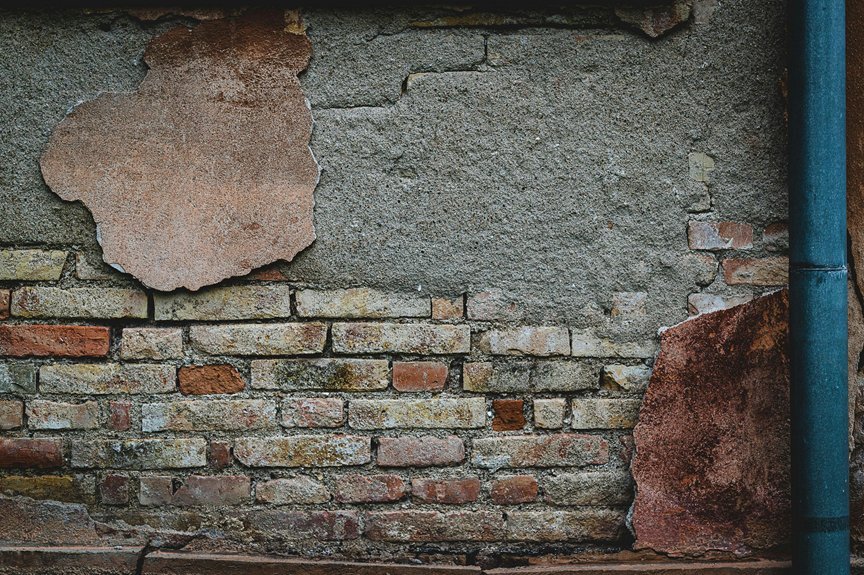
Reusing brick and masonry from demolition offers both environmental and aesthetic benefits. It requires a careful approach to assess the condition of each piece, ensuring structural integrity and usability. Cleaning and organizing materials are essential steps before repurposing them. Various innovative applications exist, from creating feature walls to building outdoor structures. Understanding these processes can reveal the potential of salvaged materials, leading to unique design opportunities. However, the journey does not end there.
Assessing the Condition of Salvaged Brick and Masonry
When considering the reuse of salvaged brick and masonry, it is essential to conduct a thorough assessment of their condition. A detailed condition assessment involves examining each piece for structural integrity, surface damage, and overall usability. Key indicators of brick integrity include cracks, spalling, and discoloration, which can compromise the material’s strength and aesthetic appeal.
Additionally, it is important to evaluate the mortar joints, as damaged joints can affect the stability and longevity of the masonry when reused. Testing for moisture content is also critical, as excess moisture can lead to deterioration over time.
Cleaning and Preparing Materials for Reuse
Before salvaged brick and masonry can be effectively reused, they must undergo a meticulous cleaning and preparation process to confirm their suitability for new applications. Various cleaning techniques are essential to remove dirt, mortar remnants, and other contaminants that may compromise the integrity of the materials. Common techniques include:
- Water Jetting: High-pressure water effectively dislodges debris without damaging the brick.
- Chemical Cleaners: Specialized solutions can dissolve stubborn mortar or stains while preserving the brick’s surface.
- Mechanical Scrubbing: Employing brushes or power tools to physically remove residues can be effective, particularly for heavily soiled materials.
Following cleaning, preparation methods should be employed to inspect and verify the structural integrity of the bricks. This may involve sorting by size and quality, as well as repairing any damaged pieces. Proper cleaning and preparation are vital steps that ultimately enhance the longevity and aesthetic value of reused brick and masonry.
Incorporating Brick Into Garden Pathways
Incorporating brick into garden pathways offers both aesthetic appeal and functional benefits. Selecting the appropriate design is essential for ensuring the pathway complements the surrounding landscape while providing durability. Additionally, understanding maintenance requirements can greatly extend the lifespan of brick pathways, making them a practical choice for outdoor spaces.
Choosing the Right Design
A well-designed garden pathway can greatly enhance the aesthetic and functional appeal of outdoor spaces. When incorporating brick into these pathways, several design aesthetics and functional considerations must be evaluated to guarantee harmony with the surrounding landscape.
- Material Compatibility: Verify that the brick complements existing garden elements, such as plants and structures.
- Pathway Shape and Layout: Consider curvilinear or straight designs, as they influence movement and visual flow within the garden.
- Durability and Maintenance Needs: Assess the bricks’ condition and choose installation methods that promote longevity while minimizing upkeep.
Maintenance Tips for Pathways
Proper maintenance is key to preserving the beauty and functionality of brick pathways in garden settings. Regular inspection is essential; identifying and addressing any shifting or loose bricks can enhance pathway durability. Cleaning the surface with a broom or pressure washer removes debris and prevents weed growth, improving both aesthetics and safety. In addition, applying a suitable sealant protects the bricks from moisture damage, extending their lifespan. To maintain aesthetic appeal, replacing any cracked or damaged bricks promptly is vital. Moreover, ensuring proper drainage minimizes erosion and prevents unsightly puddles. By implementing these maintenance strategies, garden pathways made from reclaimed brick can remain both visually appealing and structurally sound, allowing them to serve their purpose effectively for years to come.
Creating Feature Walls With Reclaimed Brick
While many homeowners seek ways to enhance their interior aesthetics, creating feature walls with reclaimed brick offers a unique blend of character and sustainability. This approach not only adds visual interest but also promotes environmental consciousness by repurposing materials. Various reclaimed brick styles can be utilized, each contributing distinct textures and hues to a space.
Consider the following feature wall ideas:
- Accent Wall: A single wall adorned with reclaimed bricks can serve as a striking focal point in a living room or bedroom.
- Partial Walls: Incorporating reclaimed bricks up to a certain height can create a shift in design, harmonizing with other materials like wood or drywall.
- Kitchen Backsplash: Using reclaimed brick as a backsplash can enhance a rustic or industrial-themed kitchen while providing durability.
These creative implementations of reclaimed brick can transform spaces, showcasing individuality and sustainable design choices.
Building Outdoor Fireplaces and Fire Pits
Outdoor fireplaces and fire pits have become a central feature in many backyards, transforming outdoor spaces into inviting areas for relaxation and social gatherings. Utilizing reclaimed brick and masonry from demolition not only adds character but also promotes sustainability. Various fire pit designs can be crafted using these materials, allowing for creativity while ensuring structural integrity.
When constructing an outdoor fireplace, selecting appropriate outdoor fireplace materials is essential for durability and safety. Reclaimed bricks, with their weathered charm, can withstand high temperatures and contribute to a rustic aesthetic. Proper planning is key; considerations include the fireplace’s height, location, and ventilation.
Incorporating reclaimed masonry into design allows for unique, customizable features that enhance the outdoor experience. By reusing materials, homeowners can create functional and visually appealing fire elements, enriching their outdoor living space while embracing environmentally responsible practices.
Using Brick for Landscaping Borders
Utilizing reclaimed brick for landscaping borders enhances both the aesthetics and functionality of garden spaces. This sustainable approach not only contributes to environmental responsibility but also offers various design opportunities. When incorporating brick, it is essential to take into account several factors to achieve a cohesive look.
- Brick color selection: Choosing colors that complement existing plants and structures can unify the landscape.
- Border height considerations: The height of the border should align with the surrounding garden elements, ensuring a balanced appearance.
- Installation techniques: Properly laying bricks can influence durability and ease of maintenance, impacting overall landscape performance.
Crafting Unique Home Décor Items
Reclaimed brick and masonry provide an excellent medium for crafting unique home décor items that blend sustainability with creativity. Artisans and DIY enthusiasts can transform these materials into striking pieces that add character to any space. One popular application is the creation of brick candleholders, which not only serve a functional purpose but also bring warmth and ambiance to interiors. These candleholders can be fashioned in various shapes and sizes, catering to diverse aesthetic preferences.
Additionally, rustic wall art made from reclaimed masonry offers a distinctive way to enhance home environments. By combining bricks with other materials like wood or metal, individuals can design pieces that reflect personal style while embracing eco-friendly practices. This approach not only reduces waste but also showcases the rich history embedded in each brick. Overall, crafting with reclaimed materials fosters creativity and encourages sustainable living in home décor.
Designing Custom Furniture With Reclaimed Materials
Designing custom furniture with reclaimed materials presents unique design opportunities that emphasize creativity and individuality. By utilizing salvaged components, designers can create pieces that not only showcase distinctive aesthetics but also promote sustainability by reducing waste. This approach not only enhances the character of furniture but also contributes to environmentally responsible practices in the industry.
Unique Design Opportunities
How can the creative reuse of brick and masonry transform the furniture design landscape? By incorporating these reclaimed materials, designers can explore unique artistic designs that showcase the inherent beauty of aged bricks and stones. This practice opens avenues for innovative furniture solutions that blend functionality with aesthetic appeal.
- Versatile Applications: Brick can be used in coffee tables, benches, or as structural elements in shelves.
- Textural Contrast: The rugged surfaces of masonry create striking contrasts with smoother materials like wood or metal.
- Personalized Pieces: Custom furniture can reflect individual styles, offering one-of-a-kind creations that tell a story through their materials.
Such creative applications not only enhance design but also invite a deeper connection between the object and its history.
Sustainability Benefits
Incorporating reclaimed materials into furniture design not only enhances aesthetic value but also greatly contributes to sustainability efforts. By using materials salvaged from demolition, designers can considerably reduce the environmental impact associated with new production processes. This practice promotes resource conservation, allowing valuable materials to be reused rather than discarded. Additionally, it minimizes the need for raw material extraction, which often contributes to habitat destruction and increased carbon emissions. Custom furniture crafted from reclaimed materials not only tells a unique story but also underscores a commitment to sustainable living. Ultimately, this approach fosters a circular economy, where materials continuously circulate within the production cycle, aligning with contemporary values of environmental responsibility and resource efficiency.
Repurposing Bricks for Raised Garden Beds
Repurposing bricks for raised garden beds offers a sustainable solution for both gardening enthusiasts and environmentally conscious individuals. This practice not only minimizes waste but also provides a durable, aesthetic option for cultivating plants. By employing effective brick layering techniques, individuals can create stable structures that enhance soil retention and improve drainage.
- Opt for staggered brick layers to bolster stability.
- Incorporate drainage holes to prevent water accumulation.
- Utilize reclaimed bricks to reduce environmental impact.
Implementing these strategies can lead to effective soil drainage solutions, essential for healthy plant growth. Additionally, the porous nature of bricks allows for air circulation around the roots, fostering a thriving garden ecosystem. Ultimately, repurposing bricks in this manner not only benefits the environment but also creates functional and visually appealing raised beds for various gardening endeavors.
Integrating Masonry Into Outdoor Living Spaces
As homeowners seek to enhance their outdoor living spaces, integrating masonry elements can greatly elevate both functionality and aesthetic appeal. The use of reclaimed brick in outdoor areas provides durability and a timeless charm. One popular application is brick seating, which not only offers comfortable gathering spots but also contributes to the overall design cohesion. By incorporating low brick walls or benches, homeowners can create defined spaces that encourage social interaction.
Additionally, masonry is an excellent choice for outdoor kitchens. A brick grill or countertop not only withstands the elements but also adds a rustic elegance that complements natural surroundings. These features allow for seamless shifts between cooking and dining areas, enhancing the outdoor experience. Ultimately, integrating masonry into outdoor living spaces capitalizes on the strengths of reclaimed materials, creating functional and visually appealing environments that homeowners can enjoy for years to come.
Utilizing Brick for Indoor Accent Walls
Accent walls have become a popular design choice for homeowners looking to add character and depth to their interiors, and utilizing brick for this purpose offers a unique blend of texture and visual interest. The use of reclaimed brick not only enhances aesthetic appeal but also promotes sustainability. When selecting brick for an indoor accent wall, various brick color combinations can create different atmospheres, from rustic warmth to modern chic.
- Consider the room’s overall color scheme to guarantee cohesion.
- Mix different textures for added dimension and intrigue.
- Use lighting strategically to highlight the brick’s natural beauty.
Incorporating brick accent wall textures can dramatically transform a space, making it more inviting and stylish. Homeowners should assess their space carefully and consider how the brick’s ruggedness will interact with other design elements, achieving a harmonious balance in their home decor.
Creating DIY Planters and Garden Art
Transforming reclaimed brick and masonry into DIY planters and garden art offers a creative way to enhance outdoor spaces while promoting sustainability. By repurposing these materials, individuals can develop unique planter designs that not only serve functional purposes but also contribute to aesthetic appeal. For instance, creating tiered planters or rectangular boxes allows for varied plant arrangements, while utilizing bricks to form raised beds can improve soil drainage and accessibility.
Additionally, brick can be incorporated into garden sculptures, such as whimsical animal figures or abstract shapes, adding character to landscapes. The durability of masonry guarantees that these garden features withstand weather conditions, providing long-term enjoyment. When selecting designs, it is vital to take into account the scale and style of the surrounding environment, guaranteeing that the final creations harmonize with existing outdoor elements. Overall, the use of reclaimed brick fosters creativity and environmental consciousness in garden design.
Upcycling Brick Into Decorative Tiles
Reclaimed brick offers versatile opportunities for upcycling, particularly in the creation of decorative tiles. By transforming old bricks into tiles, one not only preserves history but also adds unique aesthetic appeal to various spaces. The distinct brick colors and textures can contribute considerably to interior and exterior design.
When crafting decorative tiles from reclaimed brick, several considerations enhance the outcome:
- Tile Patterns: Experimenting with different arrangements can create visually stunning effects.
- Finishing Techniques: Applying sealants or polishing can enhance durability while maintaining the brick’s character.
- Color Combinations: Mixing various brick colors allows for personalized designs that fit individual styles.
These methods not only guarantee a sustainable approach to design but also allow homeowners and designers to incorporate a piece of history into their environments, creating a striking focal point that is both functional and artistic.
Transforming Old Masonry Into Sustainable Art
Old masonry can be reimagined into striking works of art that not only serve aesthetic purposes but also promote environmental sustainability. Artists increasingly utilize salvaged bricks and stones to create unique masonry sculptures and artistic installations, transforming discarded materials into thought-provoking pieces. This practice not only reduces waste but also honors the history embedded in the materials, giving them new life and meaning.
Tips for Storing and Maintaining Salvaged Materials
The transformation of salvaged masonry into artwork highlights the importance of proper storage and maintenance of these materials to guarantee their longevity and usability. Effective practices in storing salvaged materials are essential for material preservation and ensuring they remain in prime condition for future projects.
- Keep materials dry: Moisture can lead to deterioration, so store bricks and masonry in a sheltered area away from direct contact with the ground.
- Organize materials: Group similar items together and label them clearly, facilitating easy access and inventory management.
- Inspect regularly: Routine checks for signs of damage or wear enable early intervention, ensuring materials remain viable for reuse.
Conclusion
To sum up, reusing brick and masonry from demolition not only promotes sustainability but also enhances creativity in construction and landscaping projects. The practice aligns with the theory that the life cycle of building materials can be extended through thoughtful reuse, reducing waste and resource consumption. By evaluating, cleaning, and repurposing these materials, individuals can transform them into unique features that enrich their environments while honoring the past, ultimately fostering a deeper connection to the spaces they inhabit.