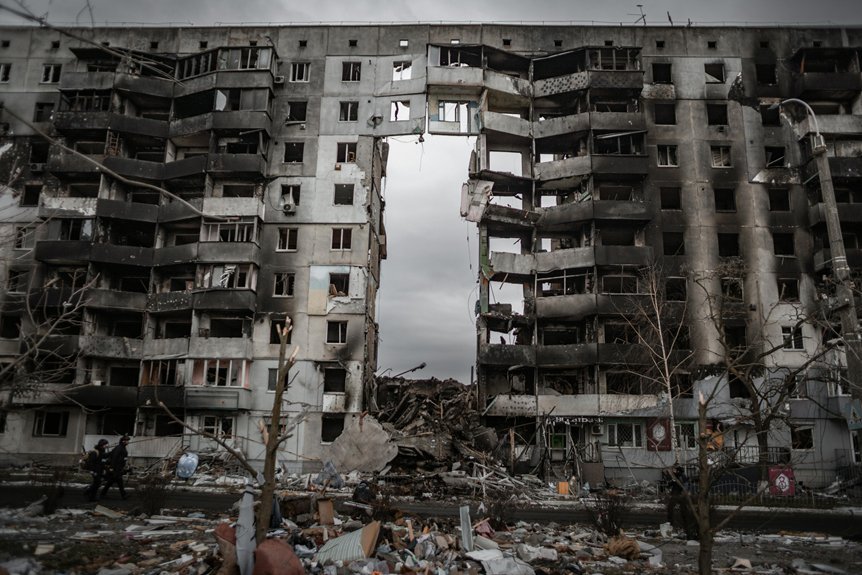
The aftermath of a wildfire can leave communities grappling with the urgent need for demolition of damaged structures. Proper assessment and safety measures are crucial in this process. Understanding regulations and engaging experienced contractors plays an important role. As communities begin to recover, the complexities of emergency demolition become apparent. What steps must be taken to guarantee safety and compliance while fostering community trust? The answers may hold the key to a successful recovery.
Understanding Wildfire Damage Assessment
A thorough understanding of wildfire damage evaluation is essential for effective emergency demolition of affected structures. Wildfires can leave significant destruction in their wake, prompting the need for a extensive damage evaluation to determine the extent of impact on buildings. Evaluators must carefully examine structural integrity, identifying compromised elements such as walls, roofs, and foundations that may pose safety risks.
The evaluation process involves both visual inspections and the use of specialized tools to gauge hidden damage. By accurately evaluating the wildfire impact, professionals can prioritize which structures require immediate demolition to prevent further hazards. This knowledge not only aids in efficient resource allocation but also supports the emotional needs of affected communities, who are often grappling with loss. Understanding the nuances of wildfire damage evaluation ultimately fosters a more informed response, ensuring that demolition efforts are conducted safely and effectively, facilitating the recovery process for those impacted.
Importance of Safety in Emergency Demolition
Guaranteeing safety during emergency demolition is paramount in the aftermath of wildfire destruction. The chaotic environment necessitates a structured approach to protect workers and the surrounding community. Proper safety training and thorough risk assessment are essential components of this process.
- Identify potential hazards before commencing demolition.
- Equip workers with appropriate personal protective equipment.
- Guarantee clear communication among team members.
- Establish a safe perimeter to prevent unauthorized access.
- Provide ongoing training to adapt to changing conditions.
Identifying Hazardous Materials
Identifying hazardous materials is a vital step in the emergency demolition of wildfire-damaged structures. Common materials such as asbestos, lead, and chemicals may pose significant risks to health and safety. A thorough inspection and assessment, along with proper safety precautions, are essential to guarantee the well-being of all involved in the demolition process.
Common Hazardous Materials
Hazardous materials can pose significant risks during the demolition of wildfire-damaged structures. Identifying these materials is essential to guarantee safety and minimize environmental impact. Common hazardous materials found in such structures often include:
- Asbestos: A carcinogenic material used in insulation and roofing.
- Lead: Found in old paint and plumbing, posing serious health risks.
- Mold: A common issue in water-damaged areas, which can trigger respiratory issues.
- Chemicals: Household cleaners and solvents may leak and contaminate the site.
- Electrical Waste: Old appliances and wiring can harbor toxic substances.
Awareness of these hazardous materials is critical for safe demolition practices, guaranteeing both human health and environmental safety are prioritized.
Inspection and Assessment
Conducting a thorough inspection and assessment of wildfire-damaged structures is essential for uncovering hazardous materials that may compromise safety. Various inspection techniques, including visual examinations and sampling, play an important role in identifying potential risks. Professionals often utilize specialized assessment tools such as moisture meters and infrared cameras to detect hidden hazards, ensuring a detailed evaluation. The presence of toxic substances like asbestos or lead can pose significant health threats, making it critical to engage experienced assessors. Their expertise enables the accurate identification of hazardous materials, allowing for informed decision-making regarding demolition or remediation efforts. Ultimately, a meticulous approach to inspection and assessment not only safeguards workers but also protects the surrounding community from potential dangers associated with wildfire debris.
Safety Precautions Required
When evaluating wildfire-damaged structures, it is vital to implement safety precautions that focus on recognizing and managing hazardous materials. Proper identification of these materials is critical to guarantee the safety of workers and the surrounding community. Adhering to established emergency protocols can mitigate risks effectively.
- Wear appropriate safety gear, including masks and gloves.
- Identify potential hazardous substances such as asbestos or lead.
- Conduct air quality assessments to verify safe breathing conditions.
- Utilize proper containment methods for hazardous waste.
- Follow local regulations for hazardous material disposal.
Permitting and Regulatory Compliance
Understanding local permitting requirements and environmental regulations is vital for safely conducting emergency demolitions of wildfire-damaged structures. Compliance not only guarantees legal adherence but also protects public health and the environment. Maneuvering through these regulations can be challenging, but it is essential for responsible recovery efforts.
Local Permitting Requirements
Maneuvering local permitting requirements is essential for the safe and compliant demolition of wildfire-damaged structures. Understanding and adhering to local regulations guarantees that the demolition process is conducted legally and responsibly. The following points highlight key considerations:
- Verify required permits through local authorities.
- Prepare and submit a detailed permit application.
- Understand any emergency provisions in local regulations.
- Coordinate with local fire departments and environmental agencies.
- Keep open lines of communication with community stakeholders.
Environmental Regulations Compliance
Compliance with environmental regulations is a critical aspect of demolishing wildfire-damaged structures. The process not only addresses public safety but also mitigates the environmental impact of debris and hazardous materials. Contractors face regulatory challenges that require careful navigation of state and local guidelines. These regulations often dictate procedures for handling toxic substances, ensuring that the demolition does not contribute to soil or water contamination. Additionally, permits must be obtained to confirm adherence to environmental standards. This compliance is essential to prevent long-term ecological damage and to promote community recovery. By prioritizing these regulations, stakeholders can foster a sustainable approach to rebuilding while respecting the surrounding environment and the needs of affected residents.
Engaging Qualified Demolition Contractors
Engaging qualified demolition contractors is essential for safely addressing wildfire-damaged structures. The selection of the right contractor involves a careful evaluation process to guarantee safety and compliance with regulations.
Key considerations include:
- Licensing and Insurance: Verify that contractors hold the necessary licenses and insurance coverage.
- Experience with Wildfire Damage: Prioritize contractors who specialize in wildfire recovery and demolition.
- References and Testimonials: Request and review feedback from previous clients to assess satisfaction.
- Safety Protocols: Evaluate the contractor’s safety measures and adherence to regulations during demolition.
- Cost Estimates: Obtain detailed estimates to understand the financial implications and guarantee transparency.
A thorough contractor experience evaluation will aid in selecting a qualified contractor, ultimately leading to a safer demolition process for affected properties. Engaging experienced professionals guarantees that the task is handled efficiently and responsibly, respecting the community’s needs.
Developing a Demolition Plan
When developing a demolition plan for wildfire-damaged structures, it is essential to first assess the structural integrity to determine safety. Next, obtaining the necessary permits guarantees compliance with local regulations and legal requirements. Finally, implementing safety protocols protects workers and the surrounding community during the demolition process.
Assess Structural Integrity
Evaluating structural integrity is a critical step in developing a demolition plan for wildfire-damaged structures. A thorough structural evaluation guarantees safety and informed decision-making. Key components to take into account include:
- Visual Inspection: Assess visible damage and hazards.
- Integrity Testing: Conduct tests to measure load-bearing capacity.
- Material Assessment: Identify compromised materials like wood or steel.
- Foundation Stability: Examine the base for signs of erosion or cracking.
- Regulatory Standards: Ensure compliance with local demolition guidelines.
Obtain Necessary Permits
After evaluating the structural integrity of a wildfire-damaged building, the next step involves obtaining the necessary permits for demolition. This process typically begins with a permit application submitted to the local authority. Homeowners must provide details about the property, the extent of the damage, and the planned demolition methods. It is important to be aware of potential permit fees, which can vary based on location and the complexity of the project. Understanding local regulations can help prevent delays and guarantee compliance with legal requirements. Engaging with local officials early in the process can offer guidance and clarify expectations, making the shift from assessment to demolition smoother for affected property owners.
Safety Protocols Implementation
Implementing safety protocols is essential in developing a demolition plan for wildfire-damaged structures. This guarantees not only the safety of the workers involved but also aids in effective emergency response. A well-structured plan incorporates thorough safety training for all personnel, guaranteeing they are prepared for potential hazards. Key elements include:
- Assessment of structural integrity
- Identification of hazardous materials
- Establishment of an emergency response plan
- Regular safety drills and training sessions
- Communication protocols for all team members
Environmental Considerations
While the urgency of restoring safety following a wildfire is paramount, careful consideration of environmental impacts must also be prioritized during the demolition of damaged structures. Sustainable demolition practices can mitigate ecological impact and promote recovery within affected ecosystems. This approach emphasizes minimizing waste, reusing materials, and reducing emissions, which are essential in post-wildfire environments where habitats may already be compromised.
Engaging in sustainable demolition helps preserve surrounding natural resources and supports the regeneration of flora and fauna. By evaluating materials for potential reuse or recycling, demolition teams can lessen the burden on landfills and contribute to a circular economy.
Moreover, employing eco-friendly machinery and techniques can further reduce the carbon footprint associated with demolition activities. By balancing safety needs with environmental stewardship, communities can recover more effectively, ensuring that both human safety and ecological health are prioritized in the rebuilding process.
Debris Disposal and Recycling Options
As communities grapple with the aftermath of wildfires, effective debris disposal and recycling options become critical to restoring safety and promoting environmental recovery. Proper waste management not only guarantees the swift clearance of hazardous materials but also helps in minimizing the ecological impact.
- Local Recycling Programs: Many municipalities offer programs specifically for wildfire debris.
- Construction Material Reuse: Salvaged materials can be repurposed for new projects.
- Hazardous Waste Collection: Special collection events can safely dispose of toxic remnants.
- Composting Organic Matter: Burned trees and vegetation can be composted to enrich soil.
- Partnerships with Nonprofits: Collaborating with organizations can facilitate effective recycling efforts.
Insurance and Liability Issues
Managing insurance and liability issues after a wildfire can be intimidating for property owners, particularly as they seek to understand coverage options and responsibilities. Steering through the complexities of insurance claims is vital for homeowners who have experienced damage. It is important to review existing policies to determine the extent of liability coverage and any specific provisions related to wildfire damage.
| Coverage Type | Description | Key Considerations |
|---|---|---|
| Homeowners Insurance | Covers structure and personal property loss | Review limits and exclusions |
| Liability Coverage | Protects against claims from third parties | Verify coverage limits |
| Additional Living Expenses | Provides funds for temporary housing | Check duration and limits |
| Replacement Cost | Covers rebuilding at current market value | Verify adequate coverage |
Understanding these aspects can aid property owners in making informed decisions during recovery efforts.
Community Notification and Involvement
After addressing the complexities of insurance and liability, property owners must also consider the importance of community notification and involvement in the recovery process. Engaging the community through effective notification strategies fosters a supportive environment during challenging times.
- Promotes transparency and trust among residents
- Encourages local participation in recovery efforts
- Informs neighbors about safety concerns and demolition plans
- Facilitates resource sharing and mutual aid
- Strengthens community resilience for future events
Community engagement not only keeps residents informed but also empowers them to contribute to local recovery initiatives. By prioritizing open communication, property owners can help guarantee that the entire community is united in rebuilding efforts. This collaborative approach can greatly enhance the overall recovery experience, making it less intimidating for everyone involved.
Timeline for Emergency Demolition
When a wildfire damages a structure, the timeline for emergency demolition becomes a critical factor in the recovery process. Adhering to established emergency procedures is essential to guarantee safety and expedite restoration efforts. Typically, the demolition timeline can vary based on several factors, including the extent of damage, environmental conditions, and regulatory approvals.
| Stage of Demolition | Estimated Timeframe | Considerations |
|---|---|---|
| Initial Assessment | 1-2 days | Safety evaluations needed |
| Permit Acquisition | 3-7 days | Local regulations apply |
| Demolition Process | 1-3 days | Weather can impact timing |
| Site Clearance | 2-5 days | Debris removal and safety |
Understanding this timeline helps affected individuals prepare for the subsequent steps in their recovery journey. Awareness of how quickly demolition can occur can alleviate some stress during an already challenging time.
Post-Demolition Site Restoration
Post-demolition site restoration is a significant phase in the recovery process that follows the removal of wildfire-damaged structures. This phase focuses on returning the land to a stable and functional state while promoting ecological recovery. Effective site restoration techniques are important to mitigate erosion, improve soil health, and support the regrowth of native vegetation.
- Evaluating soil conditions and contamination
- Implementing erosion control measures
- Reintroducing native plant species
- Enhancing soil quality with organic amendments
- Monitoring site progress to guarantee recovery
These actions encourage the natural healing process of the ecosystem, helping to restore habitats and prevent further environmental degradation. The emotional toll of wildfires extends beyond physical damage, making it imperative for communities to prioritize thoughtful restoration efforts that foster resilience and hope for the future. Ultimately, successful site restoration plays a key role in rejuvenating both the land and the communities affected by such disasters.
Resources for Property Owners and Contractors
How can property owners and contractors effectively navigate the complexities of rebuilding after wildfire damage? Accessing emergency resources is critical in this challenging time. Local governments often provide assistance, including financial aid, technical support, and guidance on rebuilding regulations. Property owners should reach out to dedicated agencies and non-profit organizations that specialize in disaster recovery, as they can offer invaluable resources.
Contractor support is equally essential. Engaging experienced contractors familiar with wildfire recovery can streamline the demolition and rebuilding process, guaranteeing compliance with safety regulations. Property owners should verify contractor credentials and seek referrals to guarantee quality work. Additionally, educational workshops and online forums can provide insights into best practices for rebuilding, allowing for informed decisions. By utilizing available emergency resources and contractor support, both property owners and contractors can work together to restore communities impacted by wildfires effectively.
Conclusion
In summary, the emergency demolition of wildfire-damaged structures requires careful planning and execution to guarantee safety and compliance. With an estimated 80% of wildfire-related injuries occurring during recovery efforts, prioritizing safety measures and engaging qualified professionals is vital. By adhering to regulatory guidelines and involving the community, the recovery process can be both efficient and respectful of environmental considerations. Property owners are encouraged to utilize available resources to navigate this challenging phase effectively.