
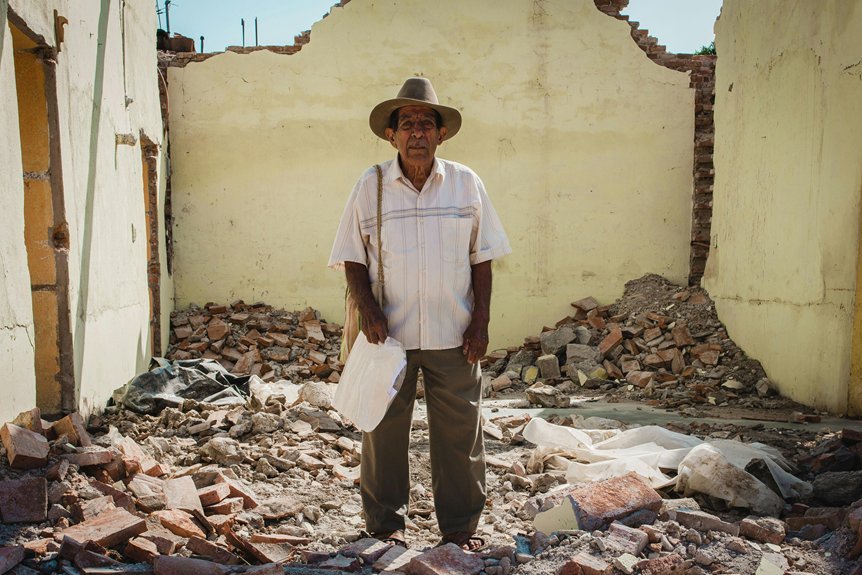
The concept of zero-waste in modern demolition represents an essential shift towards sustainability. It challenges traditional practices that prioritize convenience over environmental responsibility. By implementing strategies such as deconstruction and material recycling, the demolition industry can markedly reduce landfill contributions. However, achieving these ambitious goals requires not only innovative techniques but also collaboration among stakeholders. What barriers might still hinder this progress, and how can they be overcome?
Understanding Zero-Waste Principles in Demolition
As the construction industry increasingly embraces sustainability, understanding zero-waste principles in demolition becomes essential for effective resource management. Zero-waste principles advocate for the complete elimination of landfill disposal through meticulous planning and execution of demolition projects. By employing innovative demolition techniques, such as deconstruction, project managers can maximize the recovery and reuse of materials, thereby reducing waste considerably.
This approach requires an all-encompassing understanding of demolition principles, emphasizing the importance of sorting materials on-site and engaging in responsible waste management practices. Recyclable materials like metals, wood, and concrete can be diverted from landfills and redirected to appropriate recycling facilities. Such measures not only mitigate environmental impact but also enhance economic efficiency. Adopting zero-waste principles in demolition fosters a circular economy, transforming waste into valuable resources, and highlights the industry’s commitment to sustainable development while aligning with broader environmental goals.
The Importance of Sustainable Demolition Practices
Sustainable demolition practices play an essential role in minimizing environmental impact by reducing waste and lowering carbon footprints. Effective resource recovery techniques not only enhance material reuse but also contribute to a circular economy, fostering long-term sustainability. In addition, compliance with evolving regulatory standards can provide significant advantages for stakeholders, ensuring both legal adherence and potential cost savings.
Environmental Impact Reduction
A considerable portion of construction and demolition waste contributes to environmental degradation, making the adoption of sustainable demolition practices increasingly critical. Effective waste management strategies can greatly reduce the negative impacts associated with demolition activities. Key benefits include:
- Decreased Landfill Use: Minimizing waste sent to landfills alleviates soil and water contamination.
- Reduced Carbon Footprint: Sustainable practices lower greenhouse gas emissions, contributing to environmental sustainability.
- Resource Conservation: Efficient waste management promotes the reuse and recycling of materials, preserving natural resources.
- Enhanced Community Health: Cleaner environments lead to improved air and water quality, fostering healthier communities.
Resource Recovery Techniques
Resource recovery techniques play a pivotal role in enhancing the sustainability of demolition practices. By implementing effective resource recovery strategies, demolition projects can considerably contribute to waste diversion, preventing valuable materials from ending up in landfills. Techniques such as deconstruction, material reclamation, and recycling enable the recovery of reusable components, such as timber, metals, and fixtures, fostering a circular economy. Additionally, these practices not only minimize environmental impact but also create economic opportunities through the resale of salvaged materials. Engaging in resource recovery not only aligns with zero-waste goals but also supports the growing demand for sustainable construction methods. Hence, adopting innovative resource recovery techniques is essential for the future of responsible demolition practices, promoting a more sustainable built environment.
Regulatory Compliance Benefits
Effective resource recovery techniques not only promote environmental sustainability but also align with regulatory frameworks that are increasingly prioritizing eco-friendly practices. By adopting sustainable demolition practices, companies can benefit greatly from compliance incentives that enhance their operational viability. Key advantages include:
- Financial Savings: Reduced landfill fees and tax incentives for recycling efforts.
- Enhanced Reputation: Demonstrating commitment to sustainability can attract eco-conscious clients.
- Regulatory Compliance: Adhering to local and national regulations mitigates legal risks.
- Access to Grants: Eligibility for governmental or nonprofit funding aimed at promoting green initiatives.
Incorporating these strategies not only fulfills regulatory requirements but also positions businesses favorably in a competitive market increasingly driven by sustainability.
Techniques for Minimizing Waste During Demolition
Effective waste minimization during demolition hinges on three primary techniques: the salvage and reuse of materials, the recycling of concrete and steel, and strategic demolition planning. By prioritizing these methods, demolition projects can considerably reduce environmental impact while maximizing resource efficiency. Implementing such practices not only aligns with zero-waste goals but also promotes a circular economy within the construction industry.
Salvage and Reuse Materials
Demolition practices are evolving as industry professionals increasingly recognize the importance of salvaging and reusing materials to minimize waste. Effective salvage and reuse strategies facilitate sustainable material sourcing and promote design deconstruction, ultimately reducing landfill contributions. Key techniques include:
- Inventory Assessment: Conducting thorough evaluations of materials before demolition to identify reusable items.
- Selective Dismantling: Carefully deconstructing structures to preserve valuable components for future use.
- Community Engagement: Partnering with local organizations to donate usable materials, fostering community benefit.
- Marketplace Participation: Utilizing online platforms to sell salvaged materials, thereby promoting circular economies.
Implementing these techniques not only supports environmental goals but also enhances economic efficiency within the demolition industry.
Recycling Concrete and Steel
Recycling concrete and steel emerges as a vital strategy in the quest to minimize waste during demolition projects. Concrete recycling involves crushing and repurposing old concrete into aggregate for new construction, reducing the need for virgin materials and lowering environmental impact. Similarly, steel recovery captures valuable metal from demolished structures, which can be melted down and reshaped for new applications. Both processes not only conserve natural resources but also reduce landfill contributions, aligning with zero-waste objectives. By integrating concrete recycling and steel recovery into demolition practices, contractors can greatly enhance sustainability efforts. Ultimately, these techniques represent an essential step toward fostering a circular economy, where materials are continually reused and waste is eliminated, benefitting both the industry and the environment.
Efficient Demolition Planning Strategies
Incorporating efficient demolition planning strategies plays a pivotal role in minimizing waste alongside established practices like concrete recycling and steel recovery. Effective demolition logistics not only streamline operations but also enhance waste management capabilities. Key strategies include:
- Thorough Site Assessment: Conducting detailed evaluations to identify reusable materials.
- Sequential Demolition Planning: Developing a step-by-step approach that prioritizes material recovery.
- Resource Allocation: Assigning skilled labor for sorting and salvaging to maximize material reuse.
- Waste Diversion Goals: Setting clear targets for waste reduction to encourage accountability.
Case Studies: Successful Zero-Waste Demolition Projects
Numerous successful zero-waste demolition projects exemplify the potential for sustainable practices within the construction industry. These case studies highlight how meticulous planning and innovative recycling methods can greatly reduce landfill waste. For instance, a recent project in San Francisco achieved a remarkable 98% diversion rate, showcasing effective resource management and community engagement. The project outcomes demonstrated that by systematically deconstructing structures rather than traditional demolition, valuable materials such as wood, metal, and concrete were salvaged and repurposed, minimizing environmental impact.
Another notable case involved a historic building in Chicago, where a collaborative approach among stakeholders led to the recovery of over 90% of materials. This initiative not only preserved cultural heritage but also provided economic benefits through material resale. These examples serve as compelling evidence that zero-waste demolition is not only feasible but also advantageous, paving the way for a more sustainable construction industry.
Innovative Technologies Driving Zero-Waste Goals
As the construction industry increasingly prioritizes sustainability, innovative technologies play a pivotal role in advancing zero-waste goals. These advancements not only streamline demolition processes but also guarantee that materials are efficiently reused or recycled. Key technologies driving this movement include:
- Advanced Robotics: Automated machines can precisely dismantle structures, minimizing waste and reducing human error.
- Digital Modeling: This technology allows for detailed planning and visualization, enabling teams to identify recyclable materials before demolition begins.
- 3D Scanning: High-resolution scans capture existing structures accurately, facilitating better resource management.
- Smart Waste Management Systems: These systems track and categorize waste, enhancing recycling efforts and reducing landfill contributions.
Each of these innovations contributes greatly to the industry’s zero-waste objectives, empowering demolition teams to operate with greater efficiency and responsibility. As technology evolves, the pursuit of a sustainable future in construction becomes increasingly achievable.
The Role of Regulations and Standards in Sustainable Demolition
While technological innovations greatly advance zero-waste goals in demolition, the role of regulations and standards is equally essential in shaping sustainable practices. Regulatory frameworks establish the guidelines that dictate how demolition projects should be conducted, ensuring that waste is minimized and materials are recycled or reused. These regulations not only promote environmental responsibility but also encourage industry-wide adherence to best practices.
However, compliance challenges often arise due to the complexity and variability of regulations across different jurisdictions. Companies must navigate these complexities to align their operations with legal requirements, which can be resource-intensive. Despite these challenges, adherence to regulations ultimately fosters a culture of sustainability within the demolition industry. By prioritizing compliance, firms can not only mitigate legal risks but also enhance their reputation as environmentally conscious entities. Consequently, regulations and standards serve as critical pillars in the pursuit of zero-waste goals in modern demolition practices.
Future Trends in Zero-Waste Demolition Practices
Given the increasing urgency for sustainable practices, future trends in zero-waste demolition are poised to considerably transform the industry. The integration of zero-waste principles aligns with the circular economy and supports the development of green architecture. Key trends include:
- Advanced Material Recovery: Enhanced sorting technologies will allow for more efficient recovery of reusable materials, minimizing waste.
- Deconstruction Techniques: Emphasizing deconstruction over traditional demolition will enable the salvage of materials for reuse in new construction projects.
- Material Passports: Building inventories detailing material types and their properties will facilitate recycling and reuse, promoting a circular economy.
- Collaboration with Stakeholders: Increased partnerships among contractors, architects, and waste management firms will drive innovative solutions and compliance with sustainability goals.
These trends not only signify a commitment to environmental responsibility but also present opportunities for economic growth within the demolition sector.
Conclusion
To summarize, the pursuit of zero-waste goals in modern demolition represents not just a trend but a revolutionary shift towards a sustainable future. As innovative practices and technologies reshape the industry, the potential for waste elimination seems almost limitless. By prioritizing resource recovery and community engagement, demolition projects can greatly reduce their environmental footprint while fostering economic growth. Embracing these practices is essential, ensuring that the legacy of our built environment is one of stewardship and sustainability for generations to come.